





Red and Blue Oriental Carpet
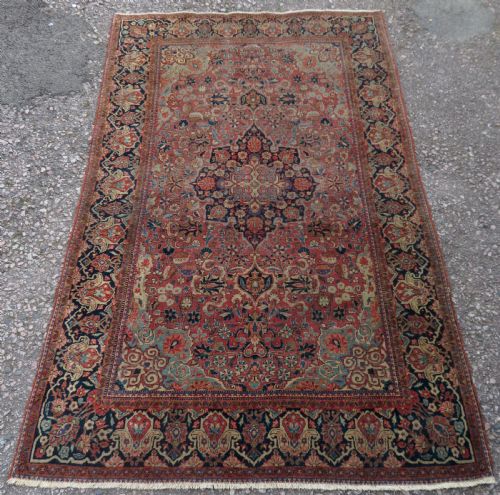
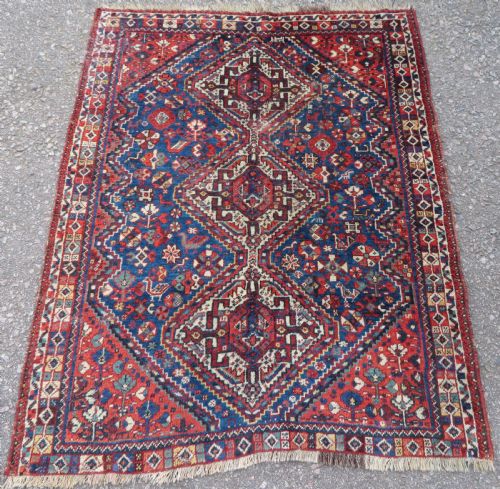
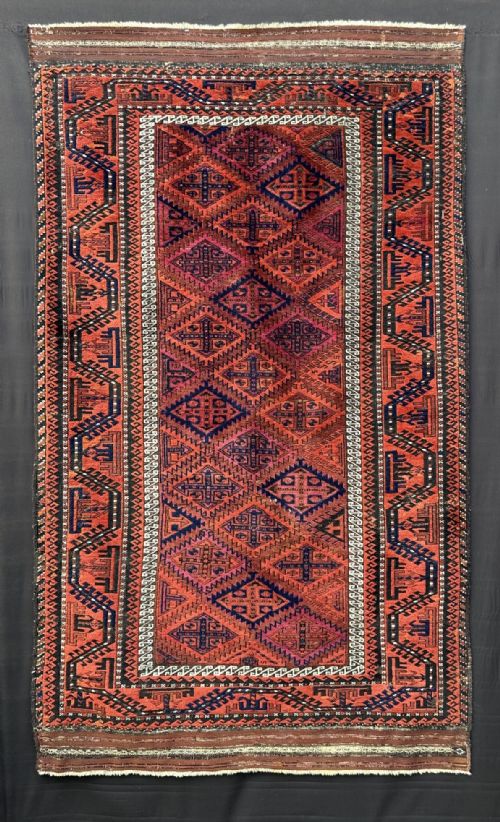
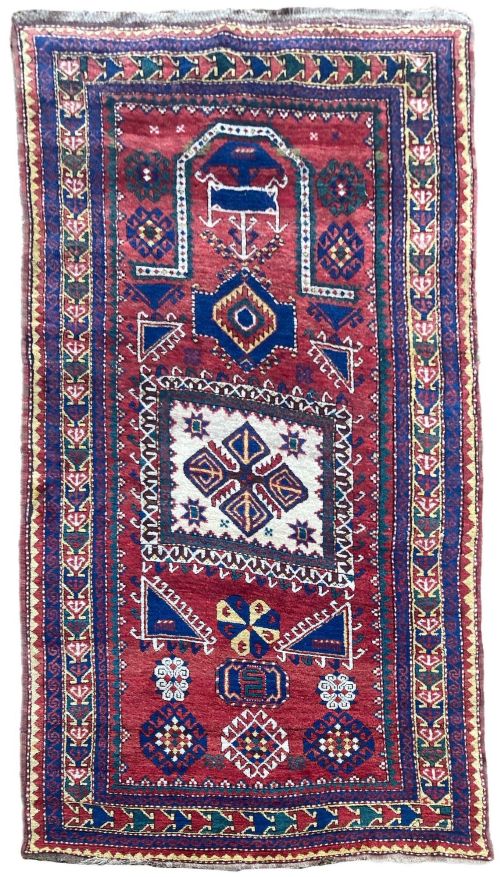
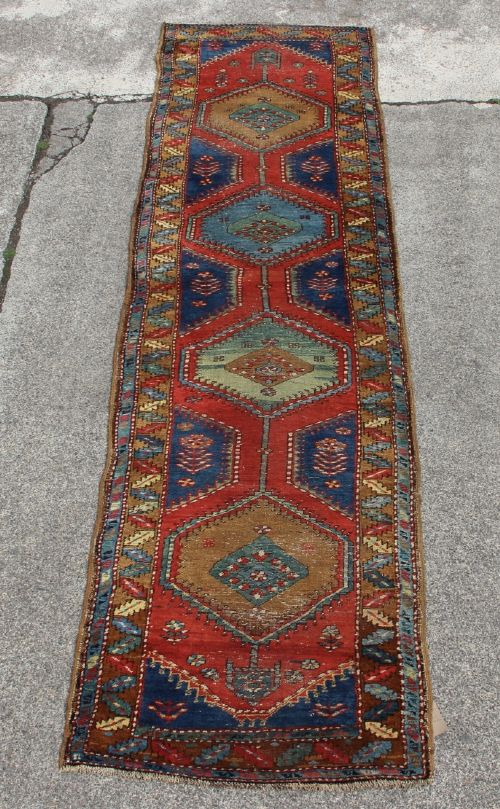
A red and blue oriental carpet anchors a room with rich palettes and traditional geometry, spanning Persian and Caucasian weaves.
Red and Blue Oriental Carpet
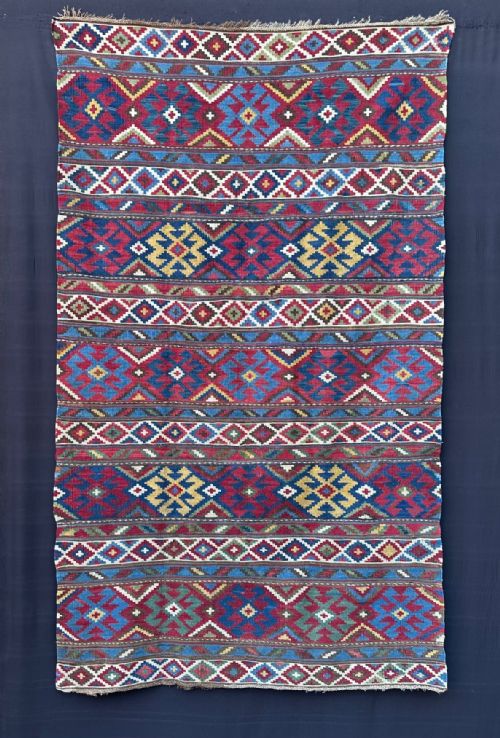
A red and blue oriental carpet encompasses hand-knotted floor coverings originating from Persia, the Caucasus, and Anatolia. These pieces arrive in various formats including large carpets, area rugs, long runners, and smaller prayer rugs.
How they were made
Weavers utilised natural wool, cotton, and occasional silk highlights to construct these textiles by hand. Foundation threads of cotton or wool support dense piles tied in traditional knots.
Dyers employed organic and natural agents to achieve deep crimson and indigo tones alongside secondary accent colours. Artisans executed geometric medallions, lattice patterns, and floral motifs rooted in regional heritage.
Listings span periods from the nineteenth century up to 1930, utilising wool, cotton, and silk across Persian, Caucasian, and Anatolian styles.
What varies in quality
Knot density and precision of execution separate standard room-size rugs from exceptionally fine regional masterpieces. Finer foundations allow for sharper definition within complex geometric and curvilinear designs.
The depth and brilliance of the dyes dictate visual richness across the pile. Superior wool quality ensures longevity and a softer handle underfoot.
The Red and Blue Oriental Carpet Glossary
- Pile
- The vertical or slanted soft fibres of a carpet that form the upper surface. This layer receives the direct wear of daily foot traffic.
- Medallion
- A central ornamental motif placed in the middle of the field. Many regional rugs centre their entire compositional balance around this focal shape.
- Runner
- A long, narrow carpet format designed for hallways or corridors. These rectangular pieces accommodate restricted floor spaces.
- Prayer rug
- A small textile featuring a mihrab or arch design indicating the direction of prayer. These portable rugs served personal devotional purposes.
- Knot
- An individual loop of yarn tied around warp threads to form the pile. Hand-knotted construction requires meticulous labour by the weaver.
Red and Blue Oriental Carpet: Frequently Asked Questions
How do I identify a Heriz carpet?
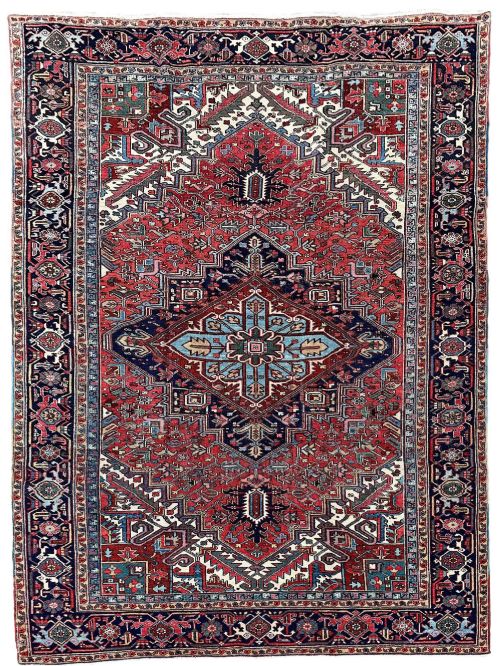
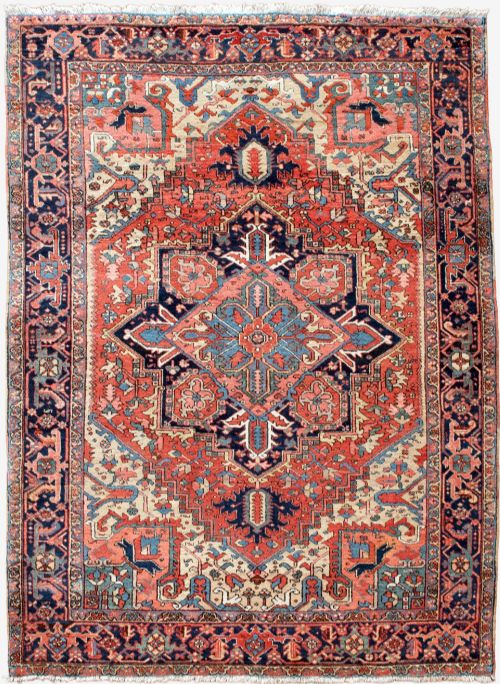
Heriz carpets typically display a bold geometric central medallion flanked by large corner spandrels. They utilise robust wool and substantial proportions suited for heavy use.
Their distinct palette relies heavily on rich reds and deep indigos combined with ivory accents. The overall aesthetic feels architectural and sturdy compared to curvilinear city carpets.
Where were Kazak rugs made?
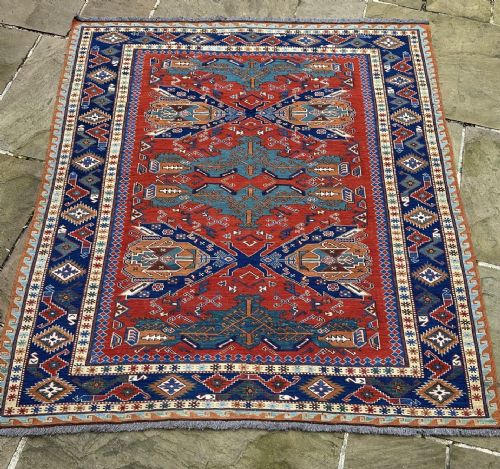
Kazak rugs originated in the Caucasus region, produced largely by tribal weavers. They are celebrated for striking primary colours and strong geometric layouts.
These pieces frequently incorporate hooked polygons, animals, and stylized human figures. Their robust construction reflects a nomadic weaving tradition.
What is an Afshar rug?
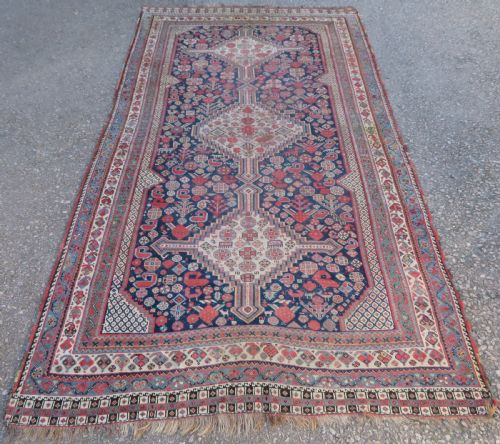
Afshar rugs stem from the nomadic and village populations of southern Persia, particularly around Kerman. They often feature repeating boteh motifs or structured medallion designs.
Weavers frequently utilised deep blue and rich madder red tones in these balanced compositions. The wool quality yields a durable and crisp texture.
How should I care for an antique rug?
Protect an antique rug by placing a breathable underlay beneath it to prevent slipping and friction. Vacuum gently with suction only, avoiding revolving brush heads.
Rotate the rug periodically to ensure even exposure to foot traffic and sunlight. Professional cleaning remains essential for maintaining wool and natural dyes.
Are these carpets hand knotted?
The pieces featured on this page are traditional hand-knotted textiles created by regional artisans. Skilled makers tied individual strands of wool or cotton onto vertical looms.
This labour-intensive method produces durable carpets designed to withstand generations of use. Each item carries unique variations stemming from individual hand production.