
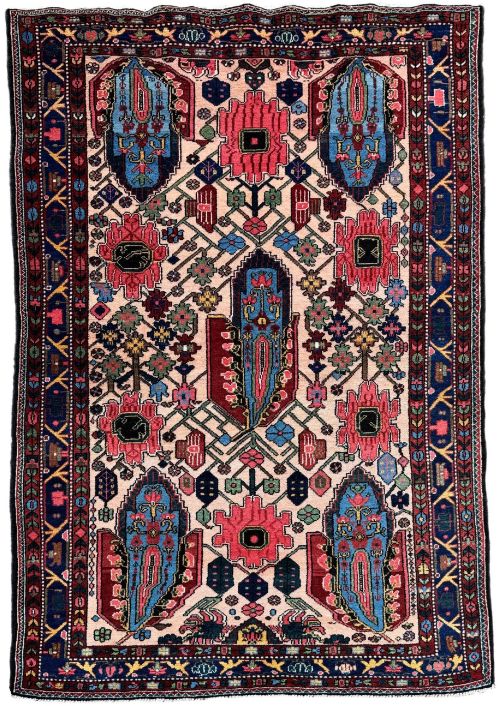
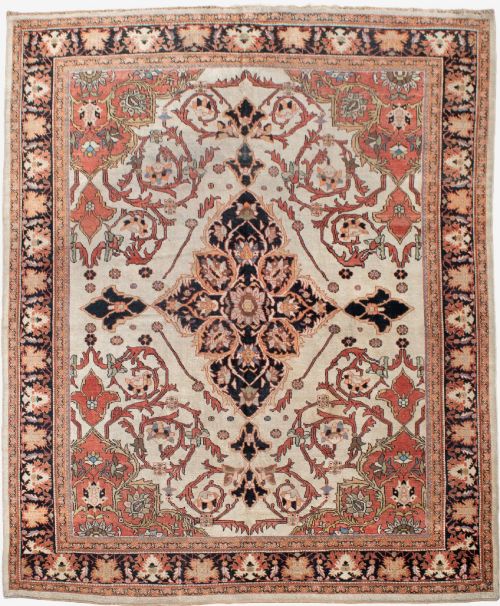
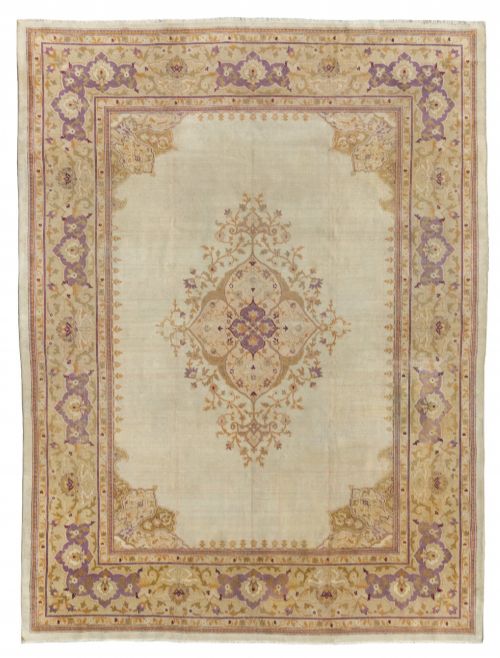
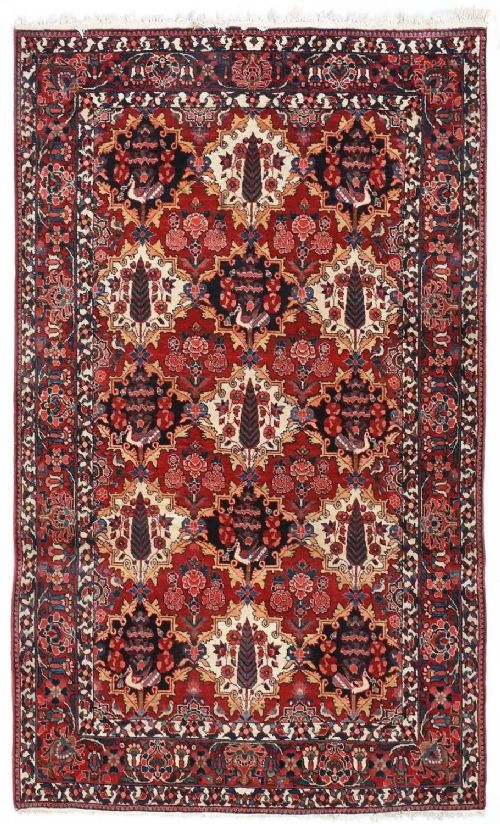


Decorative Oriental Area Carpet
A decorative oriental area carpet anchors a room with rich palette and pattern, bringing woven depth to a floor.
Decorative Oriental Area Carpet
A decorative oriental area carpet encompasses hand-knotted room-size floor coverings and smaller rugs originating from nineteenth and early twentieth-century weaving centres.
The pieces appearing on this page span several decades from the eighteenth century up to the 1930s, including styles such as Persian, Amritsar, and Ottoman.
Buyers encounter formats ranging from large palace-scale carpets down to smaller area rugs, kilim rugs, and prayer rugs.
Materials and construction
These floor coverings are constructed primarily from wool pile woven onto supportive cotton foundations.
Weavers utilised natural dyes to achieve deep colour palettes across traditional regional designs.
Listings span periods from the 18th century through the 1930s, featuring wool and cotton materials across Persian, Ottoman, and Amritsar styles.
Judging quality
Quality rests in the precision of the knotting and the clarity of the regional design, whether Heriz, Mahal, or Ushak.
The integrity of the wool pile and the depth achieved by the dye contribute significantly to the visual weight of the piece.
The Decorative Oriental Area Carpet Glossary
- Kilim
- A flat-woven carpet or rug produced without a pile. These pieces rely on interlocking weft threads to create geometric patterns.
- Prayer rug
- A small carpet featuring a mihrab or arch design indicating the direction of prayer. These were historically used for personal devotion.
- Foundation
- The underlying structure of a carpet, consisting of warp and weft threads. Cotton is commonly used for this structural grid.
- Pile
- The upright cut loops of wool that form the usable surface of the carpet. Density of the pile affects durability and definition.
Decorative Oriental Area Carpet: Frequently Asked Questions
How do I choose the right size?
Measure your floor space carefully to ensure the carpet leaves a proper border of exposed flooring around the perimeter of the room.
Consider furniture placement so that either all legs sit upon the textile or only the front feet rest on the surface.
Where should I place these rugs?
These textiles suit principal reception rooms, dining areas, and studies where foot traffic is moderate.
Keep them away from direct, continuous sunlight to protect the wool pile and natural dyes from fading over time.
How do I care for antique wool carpets?
Vacuum gently using suction only, avoiding the rotating brush bars that can pull at the vintage wool fibres.
Rotate the carpet periodically to ensure even wear patterns across high-traffic areas of the floor.
How do I identify different regional styles?
Study the specific geometric medallions, curvilinear floral motifs, and characteristic border designs associated with traditional weaving centres.
Palettes often provide strong clues to origin, with certain towns favouring distinct saturation and colour combinations.