


Fine Woven Persian Carpet
A fine woven persian carpet brings centuries of textile artistry into a room, offering dense knotted piles and intricate traditional patterns.
Fine Woven Persian Carpet
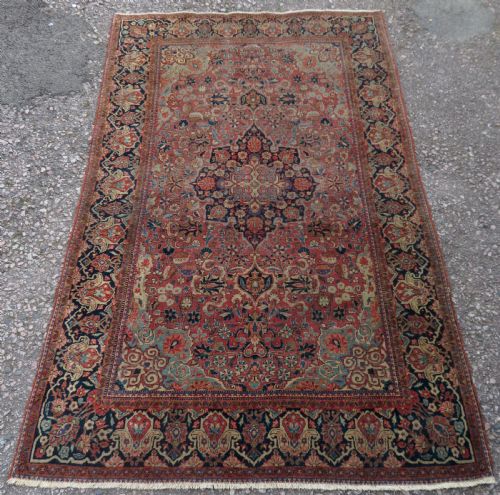
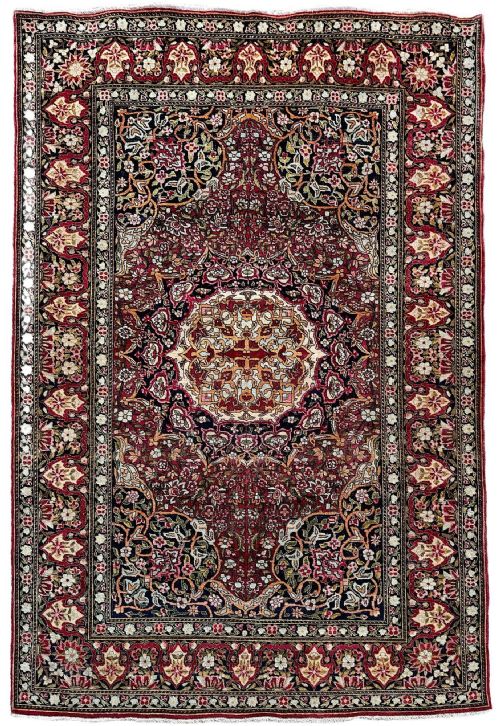
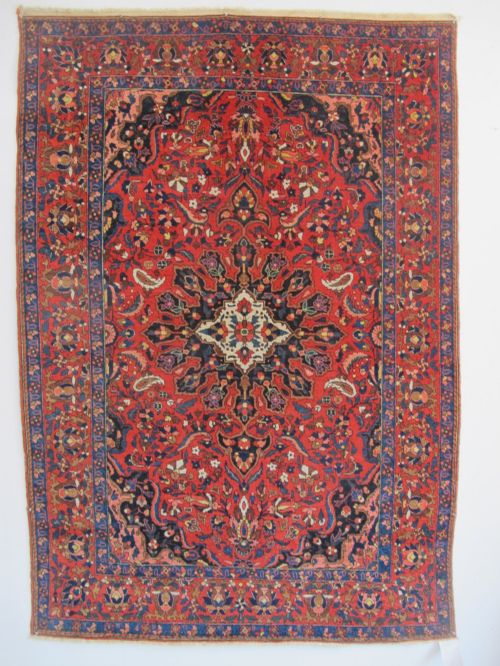
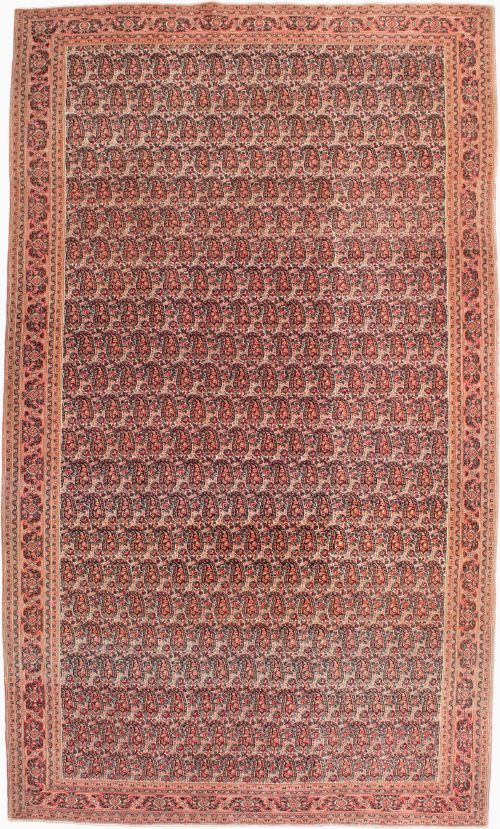
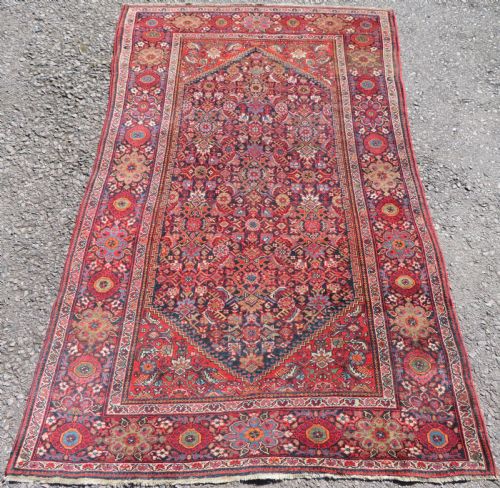
When searching for a fine woven persian carpet, buyers encounter hand-knotted room-size floor coverings and smaller area rugs originating from centres such as Isfahan, Tabriz, Qum, and Kashan. These pieces date predominantly from the late nineteenth century through to the mid-twentieth century, capturing traditional Persian styles and regional tribal motifs.
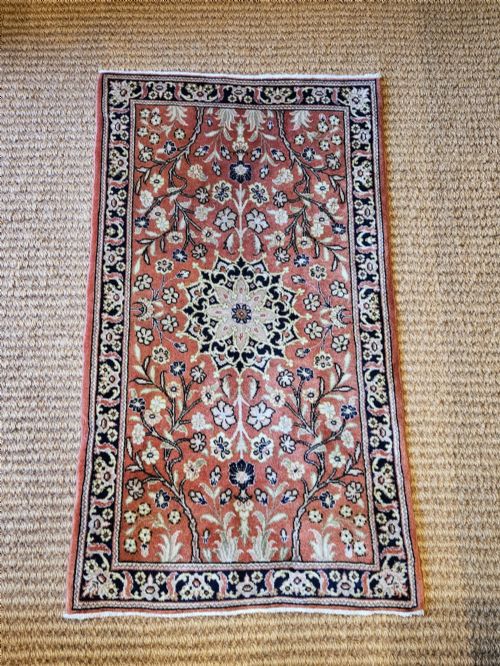
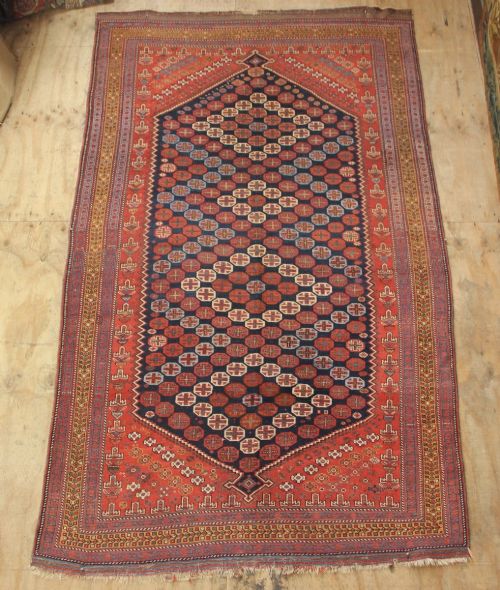
The inventory on this page ranges from hearth-sized pure wool mats to large room-size carpets measuring over four metres in length. Pieces often carry specific regional designations such as Bakhtiar, Afshar, Malayer, Senneh, and Bidjar, reflecting the distinct weaving traditions of different Persian provinces and towns.
Alongside classic wool floor coverings, selections include fine silk examples and hybrid constructions featuring lambswool pile tied upon silk foundations. Buyers find both intricate floral court designs and geometric tribal patterns created by nomadic and village weavers across Persia.
Materials and construction methods
Weavers constructed these carpets using natural animal and plant fibres, predominantly selecting sheep wool, fine lambswool, and cultivated silk for the pile. Foundations consist of cotton or silk warp and weft threads, providing the structural grid upon which artisans tied thousands of individual knots by hand.
The density of the weave depends on the precision of the knotting technique, with finer urban pieces utilising silk foundations to achieve exceptionally intricate pictorial and medallion details. Natural dyestuffs supplied the deep reds, blues, and earth tones seen across the historical periods represented.
Listings span periods from the mid-nineteenth century through the 1950s, featuring wool, cotton, silk, and lambswool materials.
Factors of distinction
The division between standard examples and superior pieces rests upon knot density, material selection, and the crispness of the drawn design. Carpets utilising lambswool on silk foundations or pure silk throughout represent a higher tier of urban workshop production.
Artistic execution also separates individual pieces, with master workshops achieving greater symmetry, subtle abrash colour shading, and sophisticated pictorial detailing compared to simpler village or tribal productions.
Mohtasham Kashan·Hajji Jalili
The Fine Woven Persian Carpet Glossary
- Foundation
- The underlying grid of warp and weft threads that supports the knotted pile of a carpet.
- Warp
- The vertical stationary threads stretched upon a loom before knotting begins.
- Weft
- The horizontal threads passed between warp rows to secure the knots in place.
- Abrash
- Subtle tonal variations in colour caused by different dye batches or changes in woollots.
- Boteh
- An almond-shaped or paisley motif of ancient Persian origin representing a floral sprout or cypress tree.
Fine Woven Persian Carpet: Frequently Asked Questions
How do I care for an antique Persian carpet?
Vacuum gently without using a rotating brush bar to protect the delicate wool or silk pile from excessive friction. Keep the rug out of direct sunlight to prevent natural dyes from fading over time.
Rotate the carpet periodically to ensure even wear patterns across high-traffic floor areas. Professional cleaning by specialists in antique textiles is essential every few years.
Where were these carpets traditionally woven?
Weaving took place across distinct regions of Persia, encompassing major urban centres like Isfahan, Tabriz, and Kashan, as well as rural villages and nomadic tribal territories. City workshops produced highly refined court carpets with intricate floral curves, while tribal groups favoured geometric and symbolic compositions.
Specific towns such as Senneh, Bidjar, and Qum developed their own signature styles and knotting densities. These geographical variations allow collectors to trace the exact provenance of individual pieces.
What is a silk foundation?
A silk foundation refers to the use of silk thread for the underlying warp and weft grid instead of standard cotton. This technique allowed master weavers to pack wool or silk knots much more tightly together.
The resulting carpets feature exceptionally crisp details and refined pictorial or medallion designs. Such construction was typically reserved for the finest urban workshops.
How do I distinguish regional Persian styles?
Regional styles reveal themselves through specific motif choices, colour palettes, and structural characteristics. Isfahan and Tabriz pieces often display elaborate central medallions surrounded by delicate floral vines, whereas tribal rugs from groups like the Bakhtiar or Afshar utilise bolder geometric partitions.
Materials also offer clues, as certain towns specialised in pure silk production while others relied on sturdy local wool. Examining the back of the rug provides further insight into the fineness of the weave and knot structure.