



Red Anatolian Carpet
A red anatolian carpet brings centuries of nomadic and village weaving tradition straight to your floor.
Red Anatolian Carpet
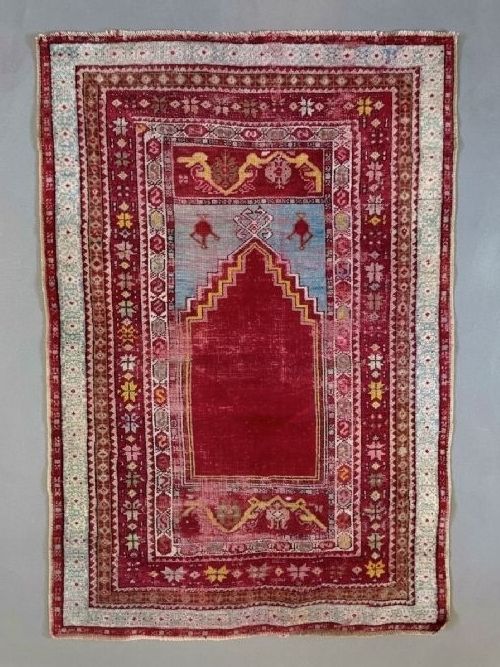
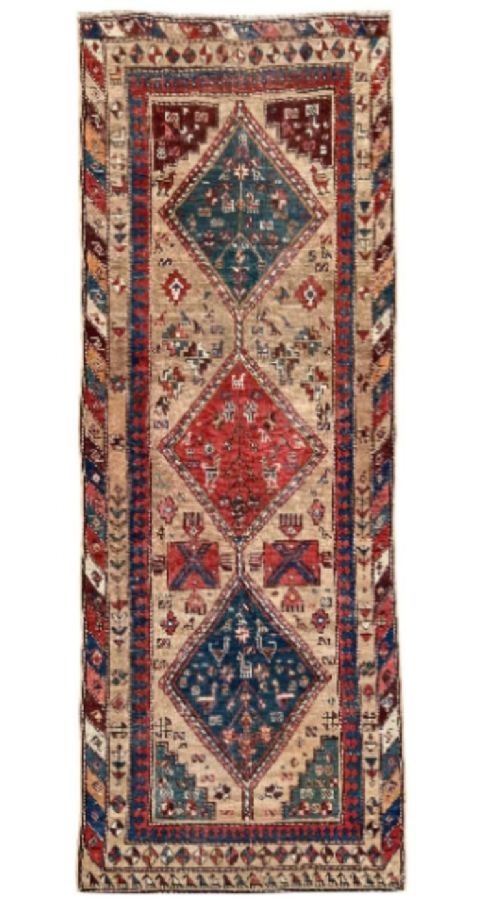
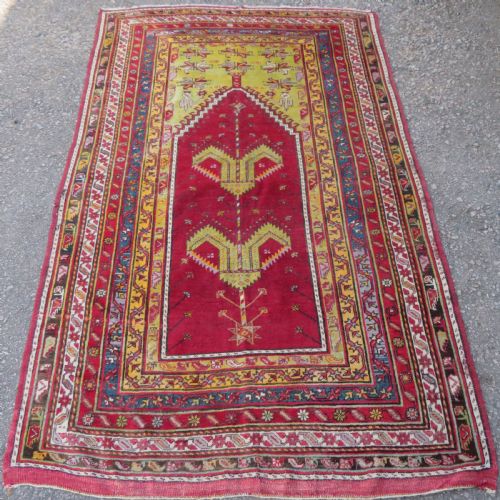
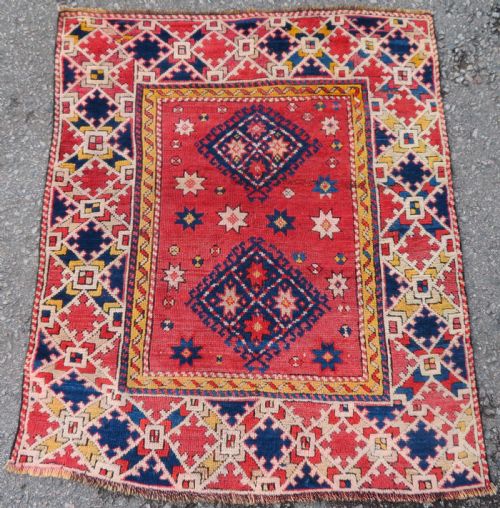
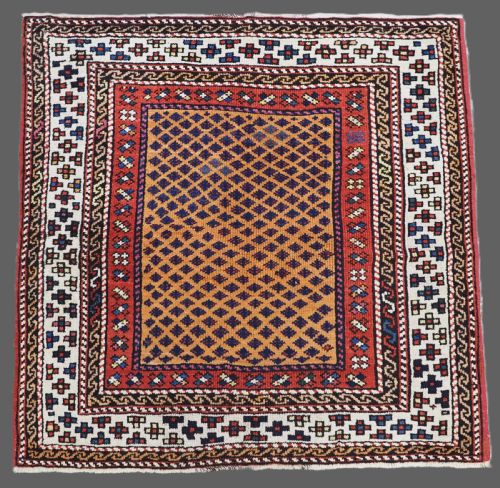
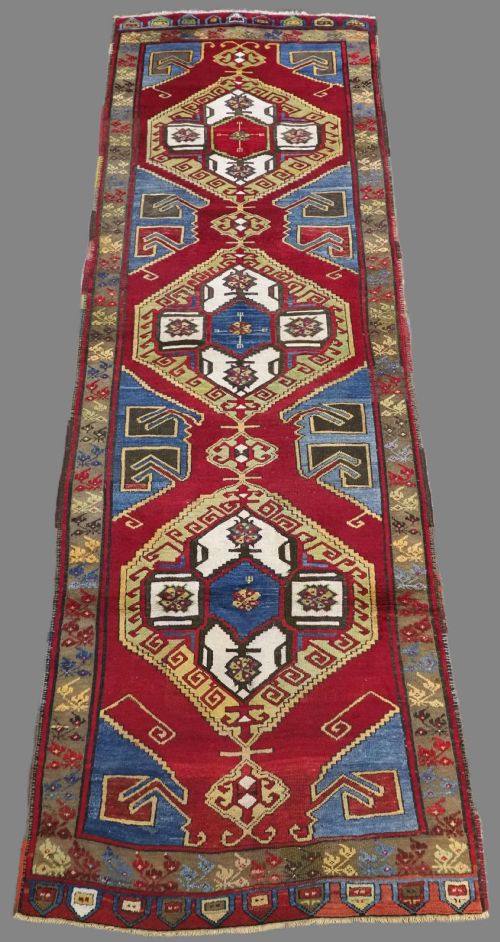
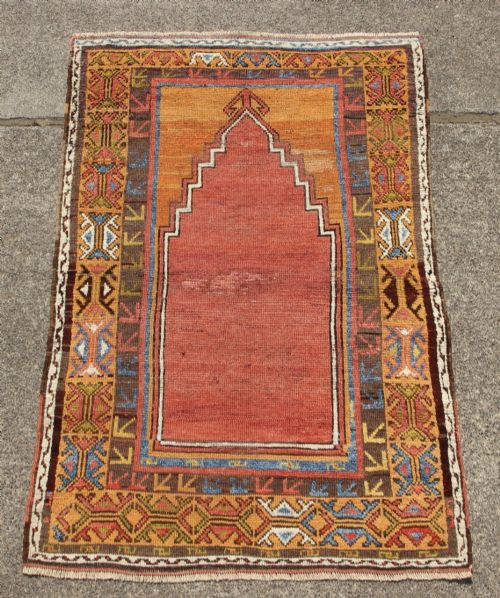
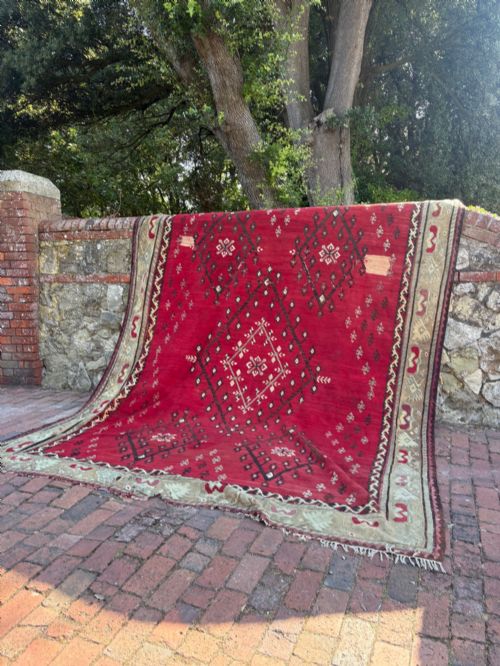
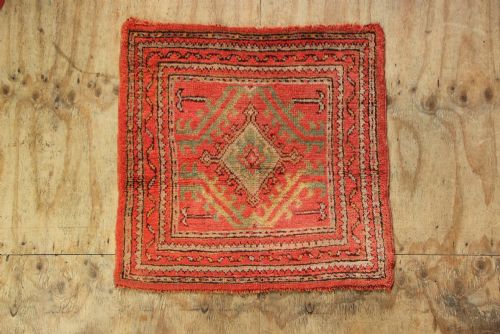
When you search for a red anatolian carpet, you examine hand-knotted and flatwoven textiles originating from Turkish weaving centres and villages. The selection spans prayer rugs, long runners, square formats, and large carpets produced from the eighteenth century through the early twentieth century.
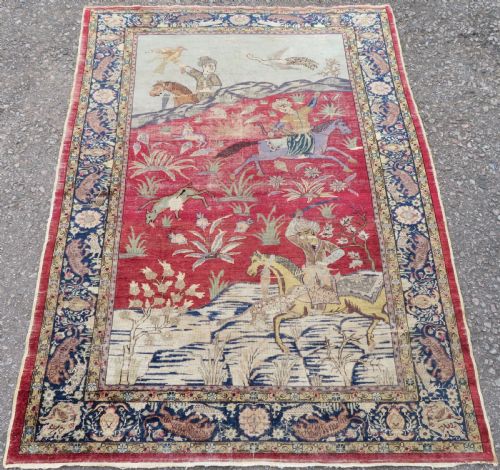
Village rugs and nomadic pieces dominate the offerings, showing geometric motifs, star medallions, and traditional prayer niches. Collectors also encounter flatwoven kilims and occasional pictorial silk examples from Western Anatolia alongside standard wool formats.
What varies in quality
The finesse of the knot count and the handling of natural dye saturation dictate the primary tier of craftsmanship. Finer execution yields sharper definition in intricate lattice designs and star medallions.
Condition and structural integrity separate surviving examples, noting that historical repairs or material loss alter the original textile fabric. The handled quality depends directly on the purity of the hand-spun materials and the precision of the village or workshop execution.
Red Anatolian Carpet Retail Price Guide 2026
Typical asking prices for red anatolian carpet among the pieces listed under this phrase on Sellingantiques today, from the lower quarter to the upper quarter. They describe what is for sale here now, not the wider market.
Some weavers included hidden hunting scenes and domestic animals among the geometric stars to tell silent stories in wool.
Kirsehir·Bergama·Konya·Oushak·Ghiordes
The Red Anatolian Carpet Glossary
- Prayer rug
- A textile featuring a mihrab or arch design indicating the direction of prayer. These pieces typically display concentrated symbolism within a focused format.
- Kilim
- A flatwoven textile produced without a pile by tightly interweaving warp and weft strands. This technique creates lightweight reversible coverings with sharp geometric patterns.
- Natural dyes
- Organic colorants derived from plants, roots, and insects before the introduction of synthetic alternatives. These dyes develop a rich patina as the wool ages.
- Runner
- A long and narrow carpet format designed for hallways or corridors. These pieces adapt traditional village motifs to a linear dimension.
Red Anatolian Carpet: Frequently Asked Questions
What is a kilim?
A kilim is a flatwoven textile rather than a piled carpet. The weaver interlocks the coloured weft threads tightly over the vertical warp threads to form geometric patterns.
This method produces a lighter, reversible fabric without the plush pile found in traditional knotted rugs.
Are these rugs made with natural dyes?
Many historical pieces utilise natural dyes extracted from regional plants, roots, and minerals. These organic colorants yield nuanced shades that mellow gracefully over decades of light and use.
Examinations under natural daylight often reveal subtle tonal variations characteristic of traditional dyeing methods.
How should I care for an antique rug?
Protect the textile by vacuuming gently without a rotating brush bar and keeping the piece away from direct, harsh sunlight. Professional cleaning tailored for antique wool and silk ensures the fibres remain undamaged.
Utilising a quality underlay prevents slipping and reduces friction between the floorboards and the historic foundation.