
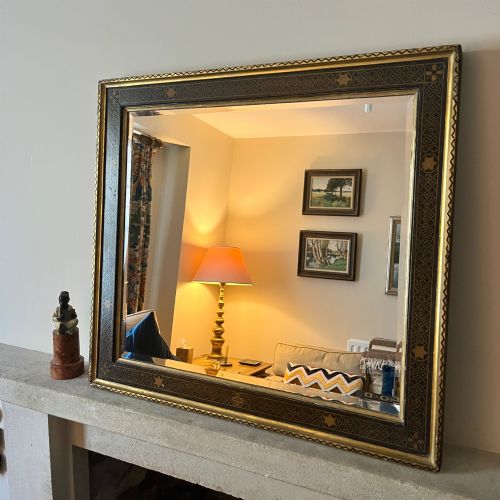
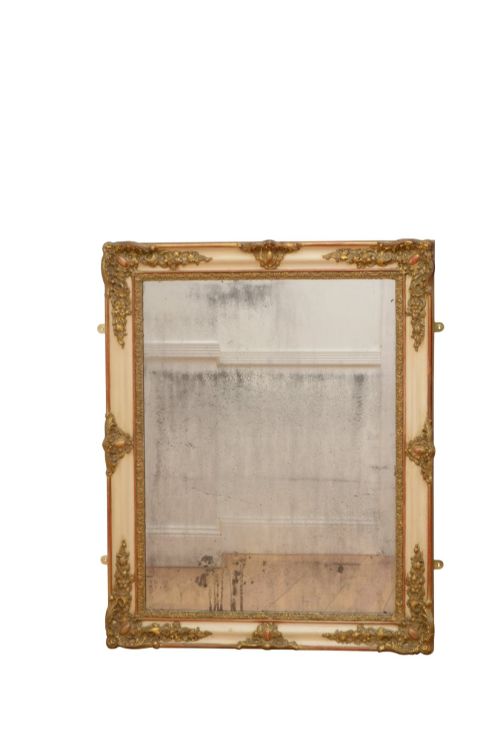
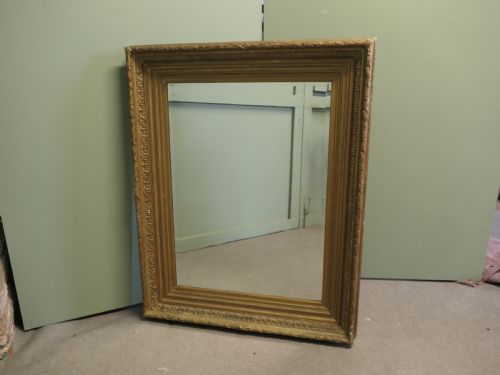
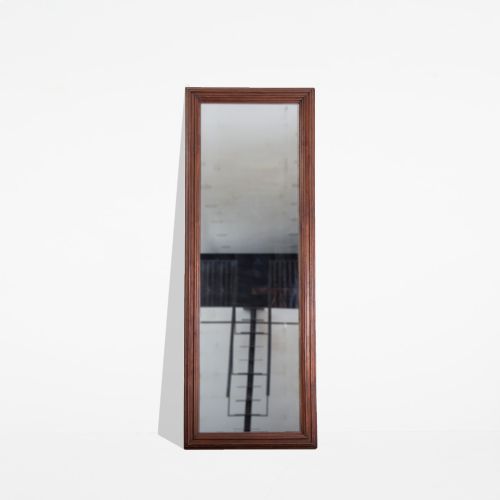
Rectangular Glass Wall Mirror
A rectangular glass wall mirror opens up a room, bringing in light and anchoring a wall with period presence.
Rectangular Glass Wall Mirror
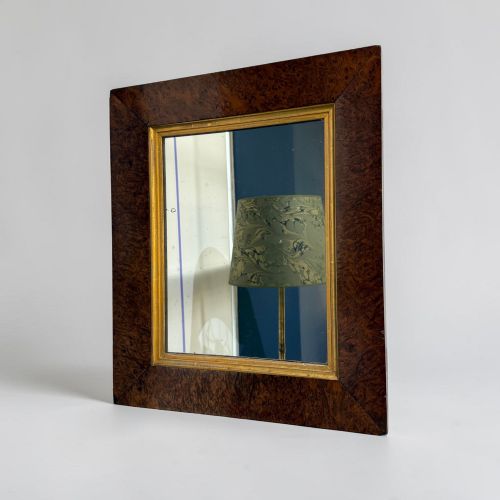
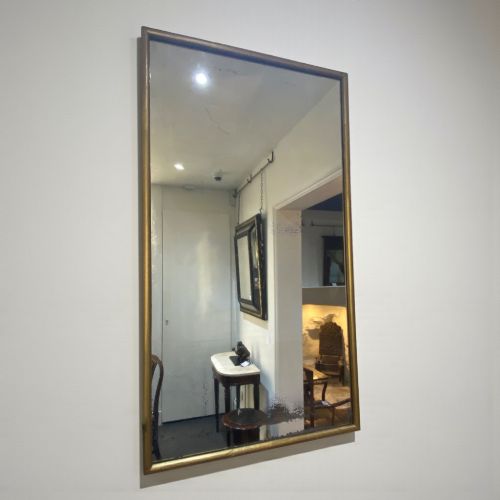
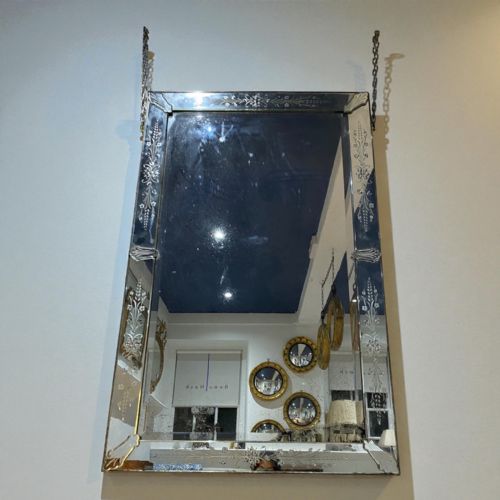
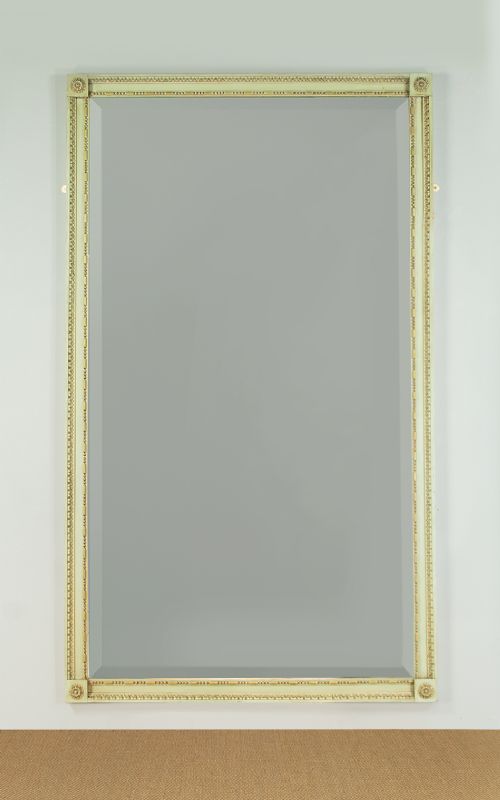
A rectangular glass wall mirror is a functional and decorative object designed to hang vertically or horizontally in domestic interiors. When searching for a rectangular glass wall mirror, you encounter pieces spanning from the Regency and Georgian eras through the Victorian and Edwardian periods, alongside French and Venetian examples.
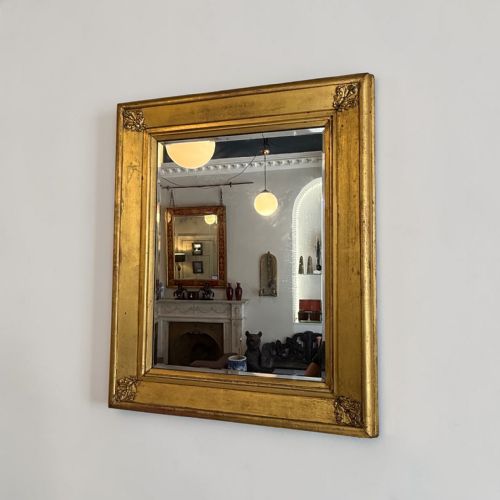
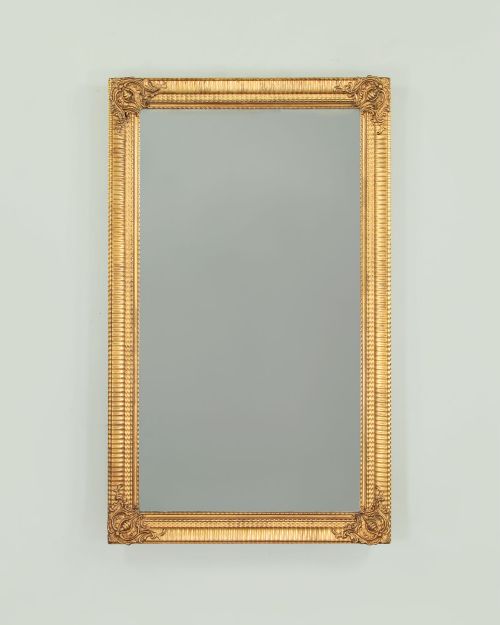
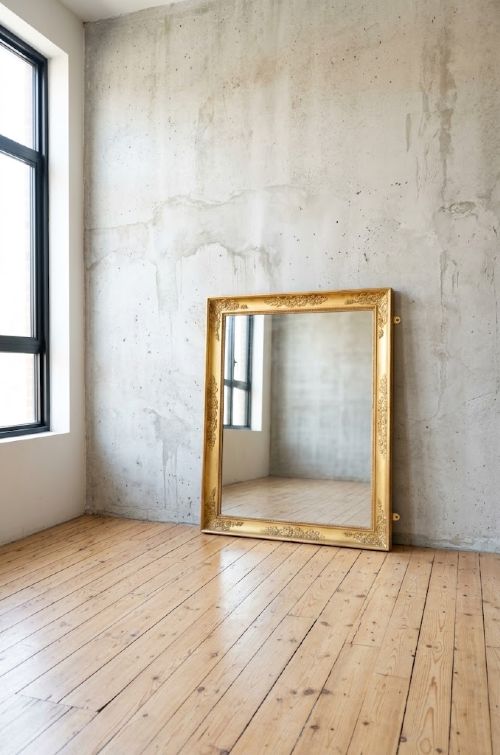
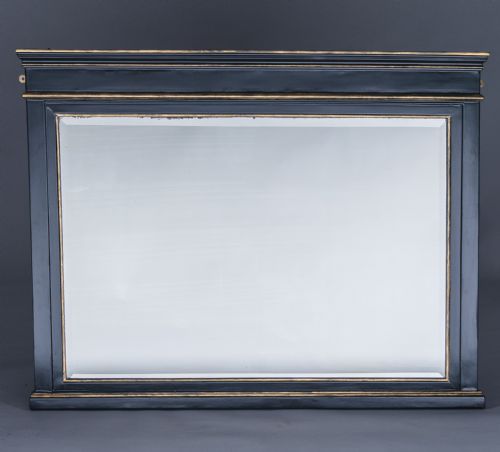
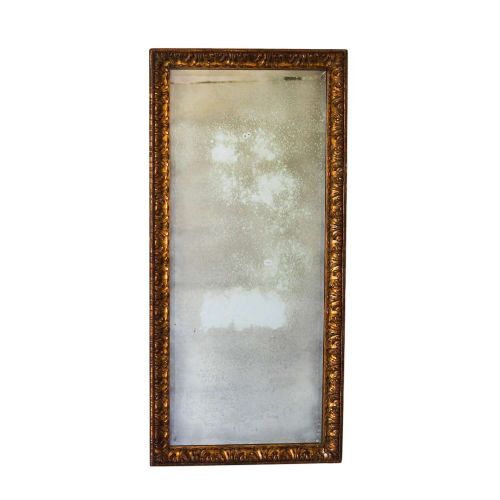
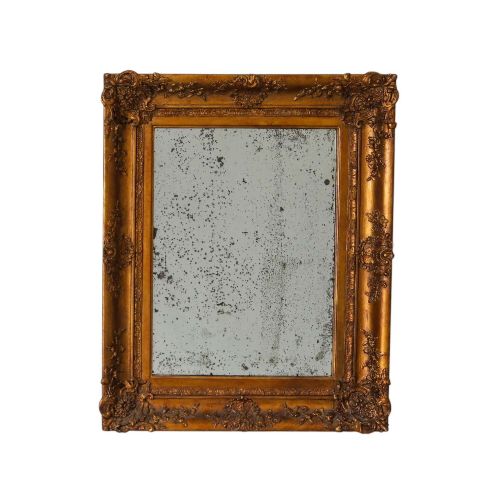
The selection on this page relies heavily on nineteenth-century designs, featuring heavily carved giltwood frames, painted surfaces, and oak or mahogany structures. Forms range from large overmantle mirrors intended for placement above fireplaces to slender pier mirrors and tall dressing mirrors.
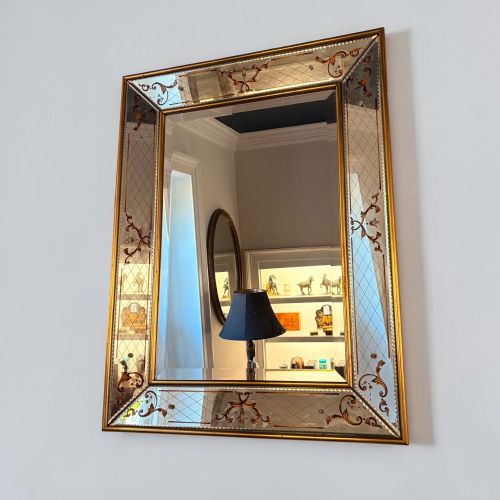
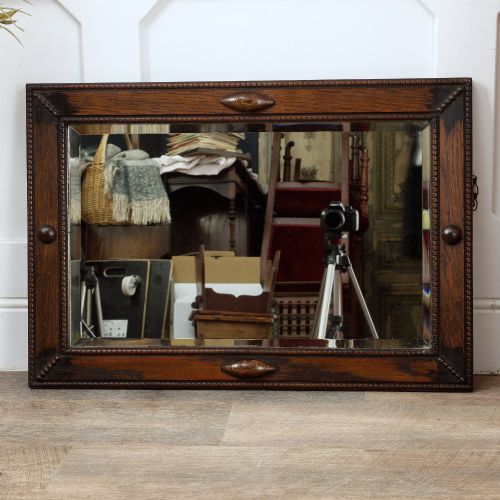
Venetian and French influences appear frequently, offering cushion frames, marginal glass plates, and elaborate floral or classical motifs. Simpler early twentieth-century oak frames and Haberdashery shop mirrors also feature, providing alternative weights and patinas for contemporary spaces.
How they were made
Makers constructed the frames of a rectangular glass wall mirror using timber substrates such as oak, walnut, mahogany, and ebonised wood, often applying gesso to build up intricate surface relief before gilding with gold leaf or silver gilt. Paint and oil gilding were also employed to finish English country house and French château frames.
Mirror plates were secured into the rebates of the frame, with many period pieces retaining foxed glass or original bevelled edges that show the handmade nature of early silvering and cutting techniques. Carved wooden elements, floral appliques, and classical motifs were shaped by hand before surface finishes were applied.
What varies in quality
The quality of a rectangular glass wall mirror rests in the crispness of the hand-carved gesso work, the depth of the gilding, and the integrity of the frame construction. Superior examples exhibit finely detailed floral and mythological carvings that remain sharp beneath layers of historical finish.
The character of the glass plate itself dictates distinction, where original bevels, foxing, and age-related oxidation impart authenticity that machine-cut modern replacements lack. Substantial timber frames joined with traditional methods indicate higher craftsmanship than mass-produced alternatives.
The Rectangular Glass Wall Mirror Glossary
- Gesso
- A plaster-like mixture applied to wooden frames as a base for carving and gilding. This material allows artisans to sculpt intricate relief details before applying gold leaf.
- Giltwood
- Timber, typically pine or oak, coated with gold leaf over a prepared gesso ground. It provides the brilliant reflective surface seen on many nineteenth-century frames.
- Overmantle
- A large mirror specifically designed to sit on the mantelpiece above a fireplace. These horizontal pieces often dominate the chimney breast in period rooms.
- Foxed
- A term describing mirror glass that has developed spots, discoloration, and oxidation over time. This natural ageing process creates a soft, atmospheric reflection.
- Pier mirror
- A tall, narrow mirror designed to hang on the wall space between windows. They maximise available daylight in a room.
- Cushion frame
- A mirror frame constructed with a convex profile that slopes outward or inward toward the glass plate. This style creates a pronounced three-dimensional effect on the wall.
Rectangular Glass Wall Mirror: Frequently Asked Questions
How do I hang a heavy antique mirror safely?
Heavy period mirrors require robust fixings anchored directly into wall studs or masonry using appropriate brackets. Distributing the weight across two points ensures the frame remains secure.
Professional mirror hangers utilise heavy-duty D-rings and steel wire rated well above the actual weight of the piece. Checking the integrity of the original wooden backing frame before installation is essential.
What is a foxed mirror plate?
A foxed mirror plate exhibits natural degradation of the silver backing behind the glass, appearing as dark spots or cloudy patches. This occurs as moisture and air interact with the backing over decades.
Collectors prize foxed plates for the gentle, distorted reflection and historical patina they provide. It confirms the glass is of considerable age rather than a modern replacement.
Can these mirrors be hung horizontally and vertically?
Orientation depends entirely on the original construction and hanging hardware fitted to the back of the frame. Many rectangular mirrors are built specifically for one orientation to support their weight.
Altering hanging brackets requires careful assessment of the frame joints and backing boards. Checking the existing D-rings will indicate whether the piece was designed as a landscape overmantle or a portrait wall mirror.