



Realist Bronze Sculpture
Realist bronze sculpture brings everyday life and human labour into sharp focus with enduring metal cast from the nineteenth century.
What realist bronze sculpture is
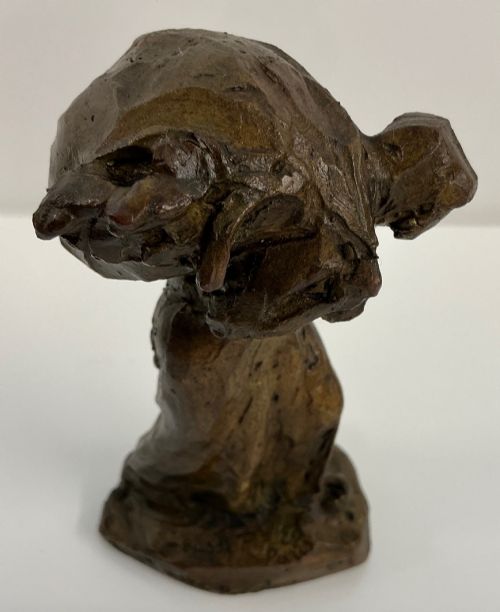
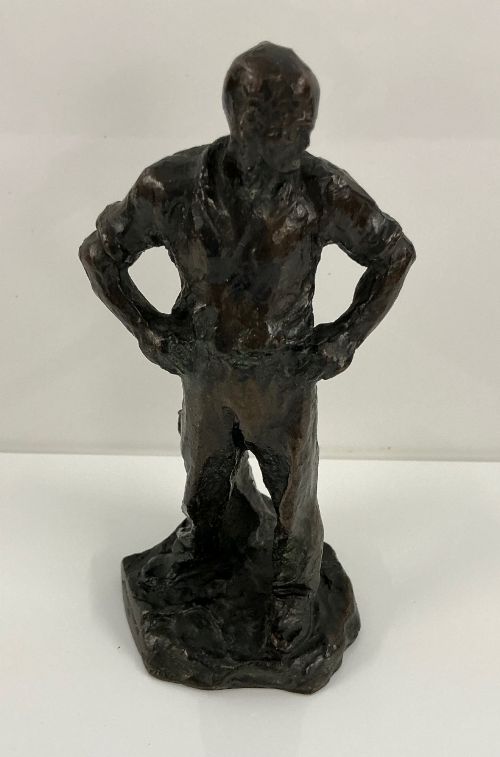
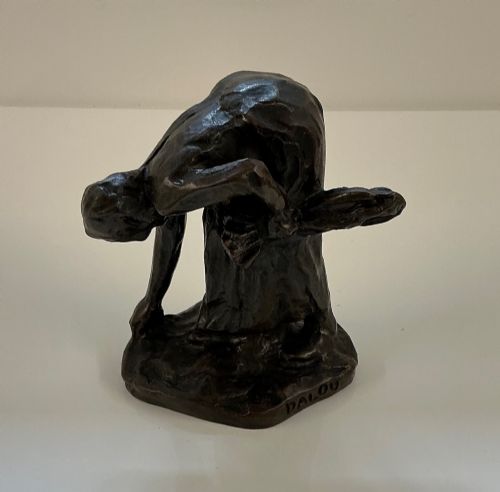
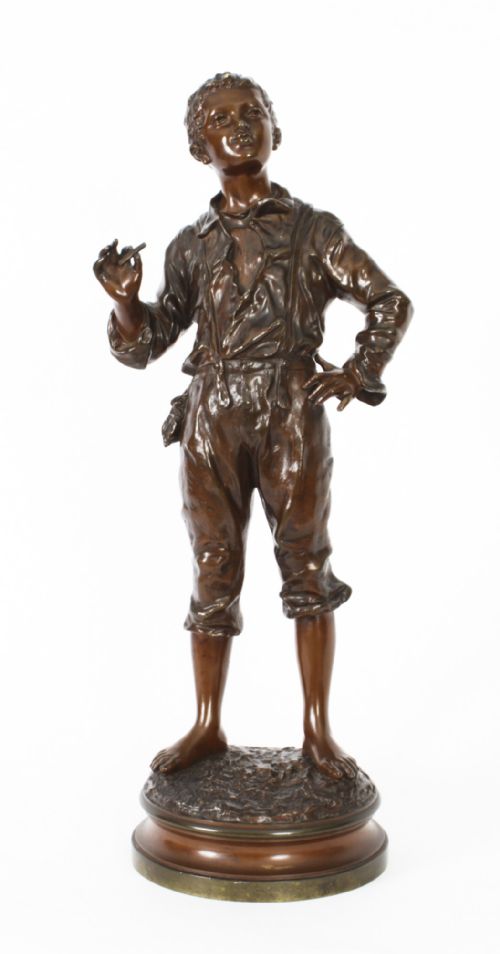
When you search for realist bronze sculpture, you encounter figures rooted in nineteenth century French realism and academic realism, depicting labourers, philosophers, and everyday scenes. The forms range from standing figures and portrait busts to practical desk accessories like double inkwells.
The pieces you meet most often on this page originate from nineteenth century France, featuring subjects such as quarrymen, milkmaids, peasants, and girls picking apples. These works capture specific human gestures and occupations with careful observation.
How they were made
These sculptures are formed from cast bronze, often enhanced with a deliberate surface patina that defines the tone and texture of the metal. Foundries such as Susse Frères handled the complex casting process to translate modelled clay into durable bronze.
Many of these bronzes are mounted on bases made of marble or wood, which provide stability and contrast to the cast metal figure. Signed details and foundry stamps are frequently integrated directly into the bronze surface during creation.
Retail Price Guide 2026
Typical UK retail prices for realist bronze sculpture, calculated from the Sellingantiques database of over a million retail prices indexed since 2003. This retail price guide relies exclusively on Sellingantiques data; no external sources or auction records are used, so the figures do not describe the wider market.
Even an inkwell gets a dramatic narrative when a nineteenth century sculptor turns a simple desk tidy into a bronze tableau.
What varies in quality
Quality in these sculptures rests in the fidelity of the cast and the sensitivity of the chisel work applied after the metal leaves the mould. Finer pieces retain crisp details in facial expressions, clothing textures, and tools without losing the naturalism of the subject.
The sophistication of the foundry casting and the depth of the patination separate standard commercial editions from important signed works. The choice of mounting material, such as finely fitted marble or turned wood, also distinguishes the presentation of the piece.
Jules Dalou·E. Drouot·Alajos Strobl·Joaquim Angles·Charles Octave Levy
The Realist Bronze Sculpture Glossary
- Patinated bronze
- Bronze that has been chemically treated to alter or enhance its surface colour. This finish protects the metal and highlights the sculptural details.
- Foundry mark
- A stamp or signature cast into the bronze indicating the workshop that produced the metal edition. Susse Frères is an example found in these listings.
- Academic realism
- An artistic style of the nineteenth century that combined careful observation of nature with the formal training of European art academies. It prioritises lifelike proportions and narrative clarity.
- Desk accessories
- Functional objects intended for writing surfaces, executed here in sculptural bronze. Double inkwells represent a common form within this category.
Frequently Asked Questions
What subjects do these bronzes show?
These sculptures depict everyday people engaged in rural labour and thoughtful contemplation. Common subjects include quarrymen, milkmaids, philosophers, and figures picking apples.
Such figures reflect the nineteenth century French interest in recording the dignity of ordinary work and human character.
How do I identify a foundry mark?
Foundry marks appear as small stamps or cast lettering on the base or lower edge of the bronze. They name the commercial workshop responsible for casting the metal.
Names like Susse Frères indicate established production houses that worked alongside leading sculptors of the period.
Where were these pieces made?
The majority of these sculptures originate from France during the nineteenth century. Parisian studios and foundries drove much of the production in realist bronze.
Individual sculptors often collaborated directly with these French founders to ensure the quality of each cast edition.
Can I use a bronze desk accessory?
Certain pieces, such as double inkwells, were designed for practical use on nineteenth century writing desks. They combine decorative sculptural figures with functional ink reservoirs.
While functional in origin, they are now appreciated primarily as small scale works of art.