


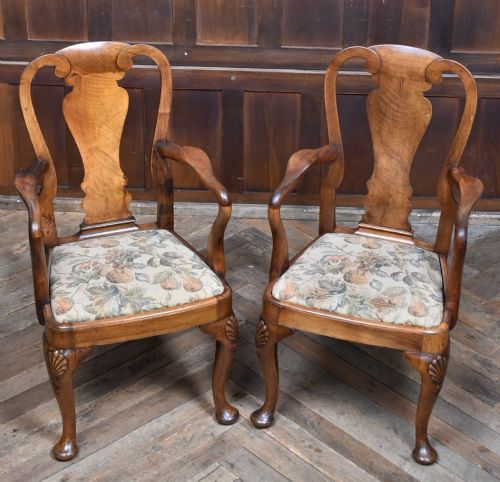
Queen Anne Style Chairs
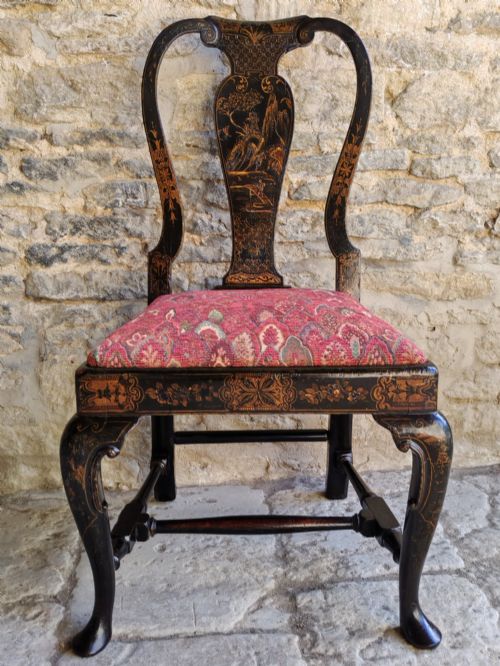
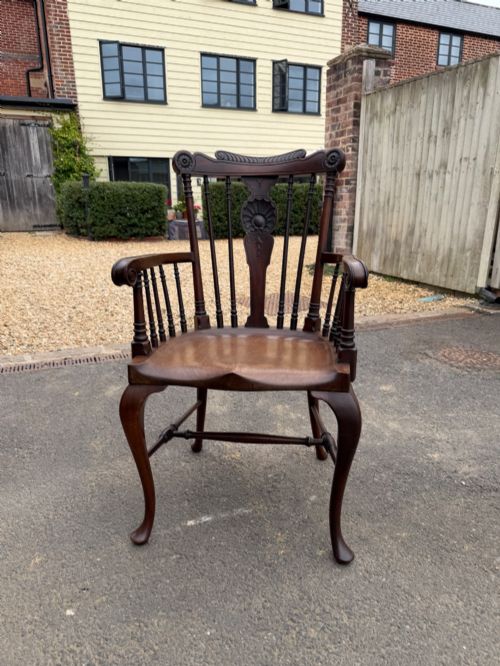
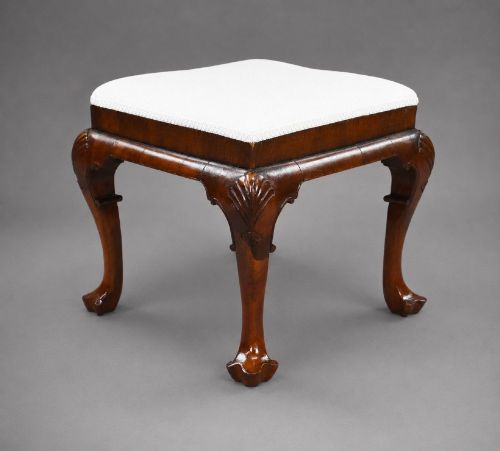
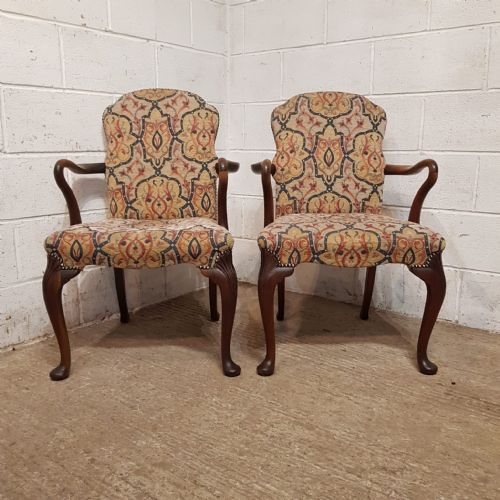
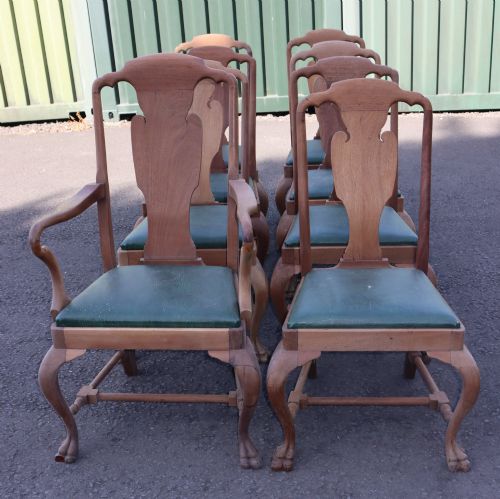
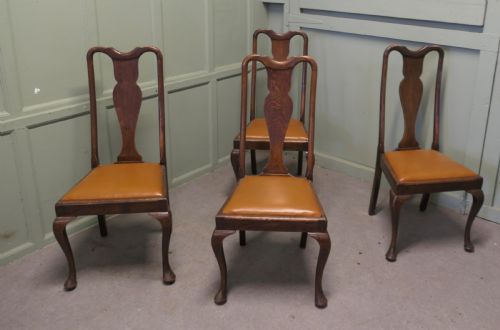
When you search for queen anne style chairs, you are looking at seating defined by shaped splats and cabriole legs.
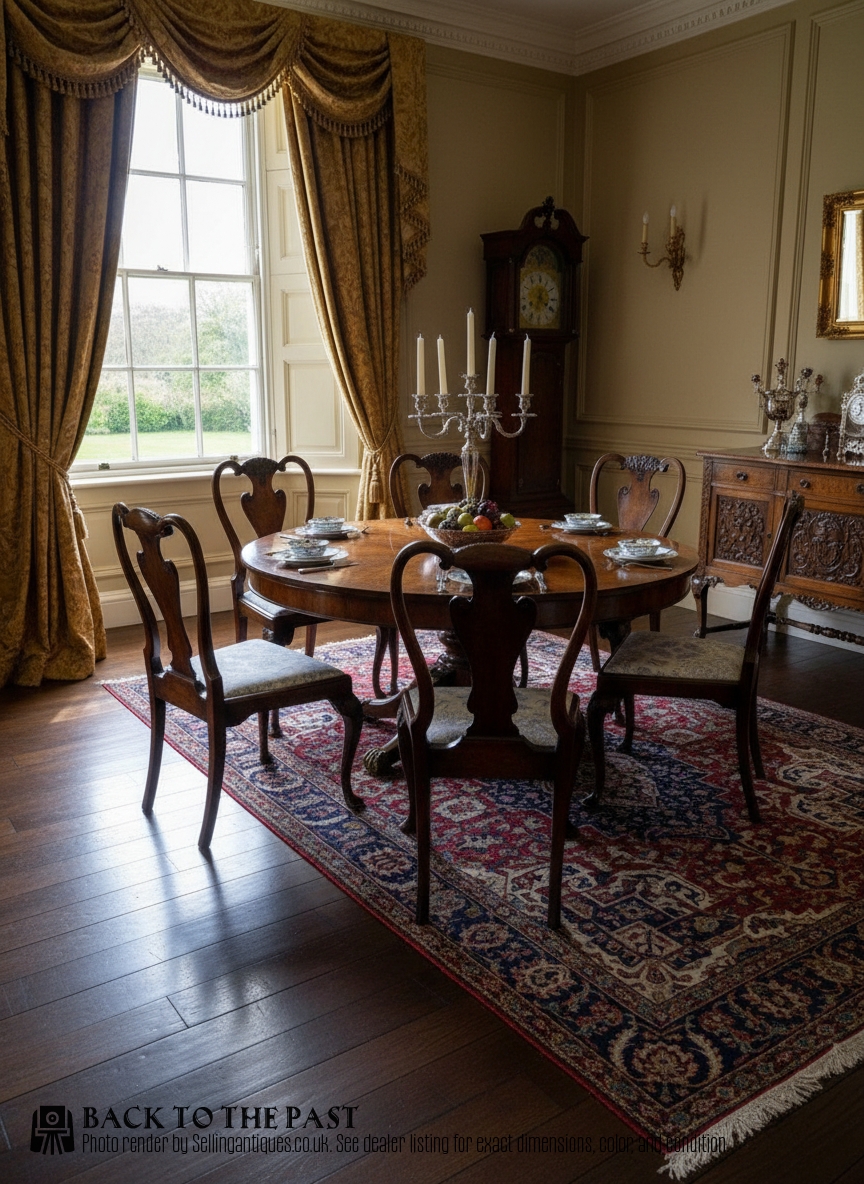
Queen Anne Style Chairs
The aesthetic bridges the refined curves of the early eighteenth century and the later revivals produced during the Victorian, Edwardian, and interwar periods. Elm, oak, and burr walnut appear alongside primary timbers, reflecting both original manufacture and subsequent revival periods.
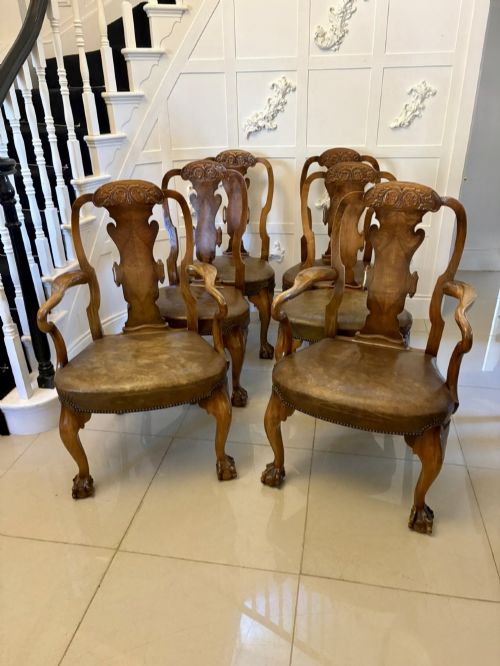
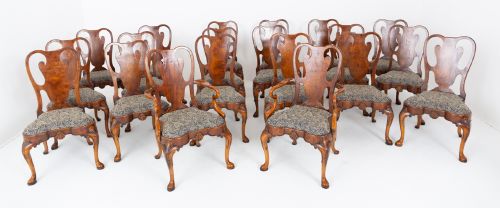
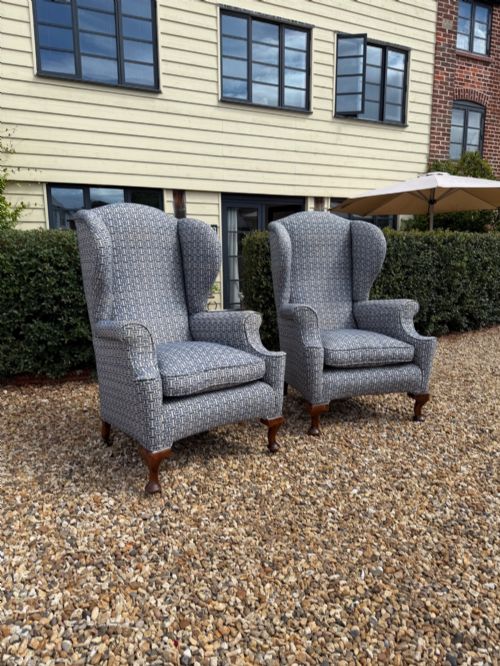
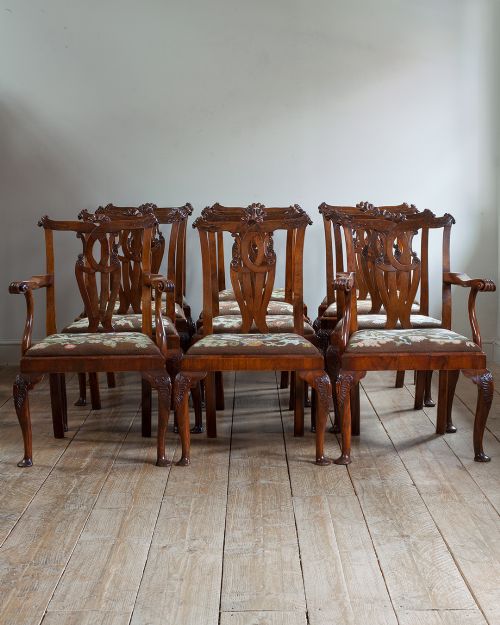
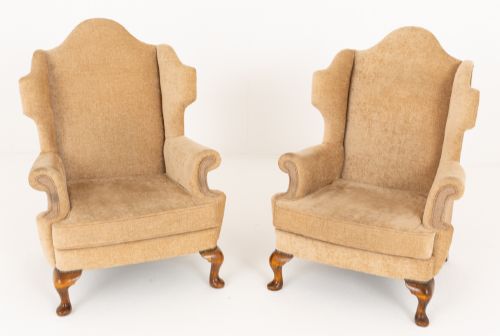
Dining chairs are often found in larger matched sets of six, eight, or twelve, while seating for studies and parlours includes single armchairs, tub chairs, and pairs of wing backs. The lineage stretches from genuine eighteenth-century seating to twentieth-century interpretations influenced by Georgian taste.
Materials and Construction
Timber selection governs the construction of these chairs, with walnut, burr walnut, and mahogany forming the primary structural and visual elements. Elm and oak also appear in regional and revival pieces, providing robust framing for seats and backs.
Upholstery relies on traditional textiles, leather, fabric, needlepoint, and velvet fixed over supportive frames. Brass details and parcel-gilding occasionally accent high-back walnut and decorative seating forms.
Queen Anne Style Chairs Retail Price Guide 2026
Typical asking prices for queen anne style chairs among the pieces listed under this phrase on Sellingantiques today, from the lower quarter to the upper quarter. They describe what is for sale here now, not the wider market.
Listings feature walnut, mahogany, oak, and elm timbers, spanning eighteenth-century origins to twentieth-century revivals.
Measures of Quality
Quality rests in the fidelity of the carving, the crispness of the cabriole leg profile, and the harmony of the splat design. Superior examples display thoughtful timber selection, particularly in burr walnut veneers, where grain patterns align intentionally across the splat and seat rail.
The integrity of the frame construction and the quality of the upholstery execution separate standard production from exceptional pieces. Attention to joinery detail and proportion distinguishes fine revival work and original pieces from simpler commercial output.
Charles Tozer·Waring and Gillow·Hille·Epstein
The Queen Anne Style Chairs Glossary
- Cabriole leg
- A furniture leg that curves outward at the knee and tapers inward toward the foot, mimicking animal limbs. This form provides structural support without heavy bracing.
- Splat
- The vertical central strip of wood within a chair back. It often takes a vase or fiddle shape to fit the curve of the spine.
- Wing back
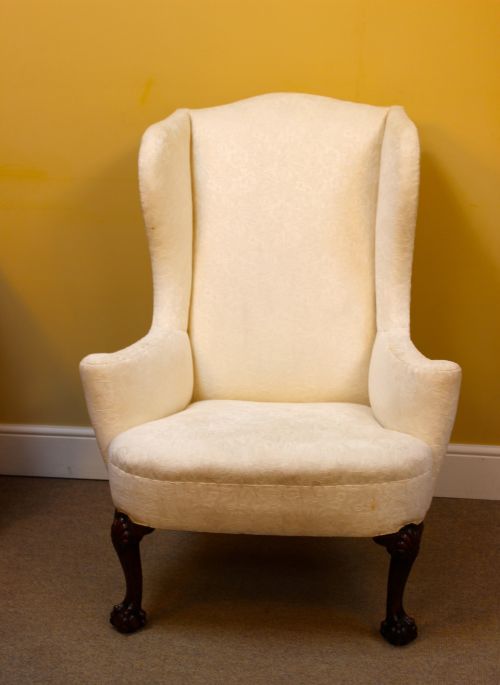
- An armchair featuring protective flaps or wings attached to the arms and extending up to the headrest. Originally designed to deflect draughts near fireplaces.
- Carver
- An armchair, typically designed as part of a dining set to sit at the head of a table. It matches the simpler side chairs in the suite.
- Burr walnut
- Wood taken from the growth excrescences of walnut trees, yielding highly figured patterns. Makers prize it for decorative veneer surfaces.
Queen Anne Style Chairs: Frequently Asked Questions
How do I identify a true period piece?
Distinguishing original pieces from later revivals requires examining timber shrinkage, joinery methods, and tool marks beneath the seat frame. Eighteenth-century examples display construction techniques consistent with period hand tools rather than twentieth-century machinery.
Secondary woods and structural wear offer further clues to age. Comparing the carved details against documented examples from the same era helps confirm authenticity.
Are these chairs suitable for daily dining?
Many dining sets from the early twentieth century and earlier centuries remain robust enough for regular daily use. Solid timber frames and sturdy joinery withstand everyday seating demands.
Upholstered sections may require occasional maintenance or reupholstery to ensure lasting comfort. Checking the frame stability helps guarantee safe daily enjoyment.
What is the difference between a side chair and a carver?
A side chair is an armless seat intended for dining tables or side placements against room walls. Its compact profile allows multiple chairs to tuck neatly beneath table edges.
A carver includes open armrests and usually stands at the head or foot of a dining table. It shares the design vocabulary of the accompanying side chairs but offers added support.