


Queen Anne Sterling Silver
Queen Anne sterling silver brings the austere elegance of early eighteenth-century smithing to the table with rare spoons, casters and bowls.
Queen Anne Sterling Silver
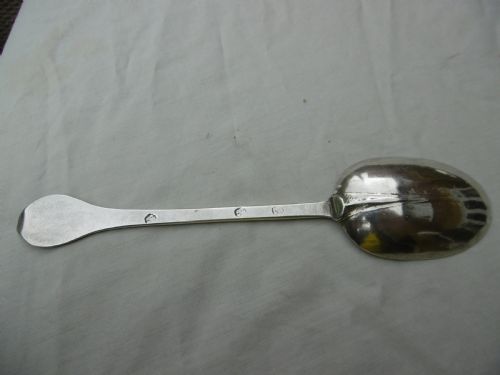
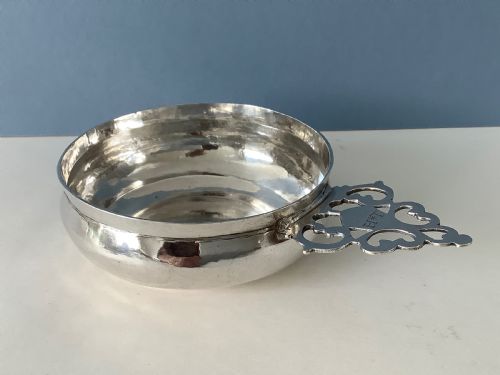
When you search for queen anne sterling silver, you encounter items predominantly from the eighteenth century alongside related later revivals. The surviving forms comprise flatware such as dognose spoons, marrow spoons and table forks, alongside holloware including castors, bleeding bowls and porringers.
Provincial pieces from makers outside London appear frequently alongside metropolitan work. Collectors also find later nineteenth-century interpretations styled after the period, utilising coin insets or traditional forms.
How they were made
Smiths shaped these objects from sterling silver, silver and higher-purity Britannia standard silver, sometimes incorporating wooden elements. Surviving items display techniques such as rattail reinforcement on spoons and cast construction for holloware.
Decoration relies on restrained engraving, including armorial crests, stag crests and lace-back motifs rather than heavy relief work. Maker marks, date letters and town marks are stamped directly into the metal.
Listings feature seventeenth and eighteenth-century items in sterling and Britannia silver alongside nineteenth-century revival pieces.
What varies in quality
The distinction between ordinary and exceptional examples rests upon the clarity of hallmarks and the crispness of engraved armorial crests. Pieces retaining their original bowl profiles and unrubbed rattails command greater regard.
Maker attribution also dictates standing, with documented provincial or London goldsmiths elevating certain spoons and castors above anonymous domestic output.
Benjamin Watts·John Smith·John Pike·Lawrence Coles·J Ladyman·Thomas Pritchard·George Unite
The Queen Anne Sterling Silver Glossary
- Dognose spoon
- An early form of flatware featuring a rounded terminal with a central notch, popular around the turn of the eighteenth century. It succeeded the trifid style and preceded the Hanoverian pattern.
- Britannia standard silver
- A compulsory higher grade of silver introduced in England to deter the melting of coinage for plate. It contains a higher proportion of pure silver than traditional sterling.
- Rattail
- A tapering dorsal spine extending down the back of a spoon bowl from the stem. It provides structural reinforcement to the joint.
- Bleeding bowl
- A small, shallow silver vessel with a single flat pierced handle, used historically in medical bloodletting. They double as porringers in domestic contexts.
- Marrow spoon
- A narrow flatware implement featuring a small scoop at each end for extracting marrow from bones. They often match the length of contemporary tablespoons.
Queen Anne Sterling Silver: Frequently Asked Questions
What is Britannia standard silver?
Britannia standard silver refers to a purer alloy introduced by Act of Parliament in the early eighteenth century. It contains ninety-five point eight percent pure silver.
Silver smiths were legally required to use this standard instead of sterling for a period, making items from these years identifiable by their specific hallmarks of a seated figure and lion's head erased.
Were these pieces used daily?
Many items served practical domestic functions at the dining table or in the parlour, including spoons for eating and castors for dispensing condiments. Over centuries of handling, the silver naturally acquires wear on high points and touch marks.
Heavier holloware pieces such as castors and bowls were also displayed to indicate household status.
How do I tell early pieces from later revivals?
Early pieces rely on period hallmarks, specific construction methods like rattails, and provincial engraving styles. Nineteenth-century revival items often use standard sterling marks appropriate to their actual date of manufacture.
Examining the wear patterns and the composition of the metal helps differentiate original eighteenth-century work from later interpretations.