




Queen Anne Sofa
A queen anne sofa brings structured grace to a room, offering upholstered comfort built on disciplined walnut frames and rhythmic cabriole lines.

Queen Anne Sofa
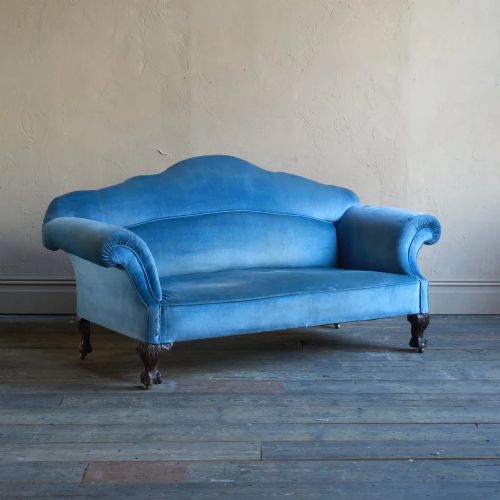
A queen anne sofa embodies the elegant domestic comfort of the eighteenth century alongside the enthusiastic revivals that followed across the Victorian, Edwardian, and twentieth-century periods. When searching for a queen anne sofa, buyers encounter genuine eighteenth-century settee survivors alongside numerous revival pieces produced around nineteen-ten, nineteen-twenty, and nineteen-thirty. These later interpretations capture the distinctive silhouette, often featuring generous upholstered seating supported by walnut, burr walnut, or mahogany woodwork.
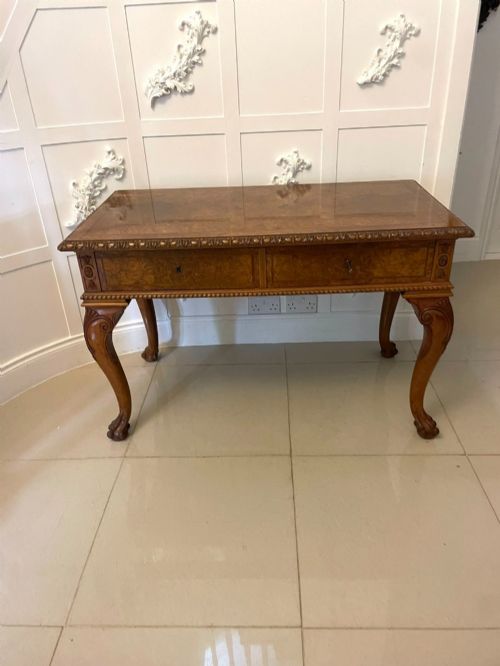
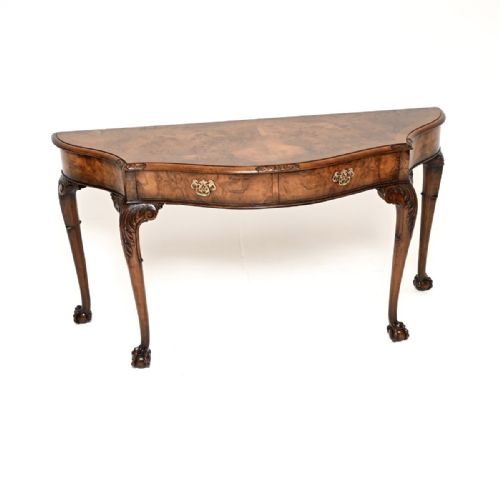
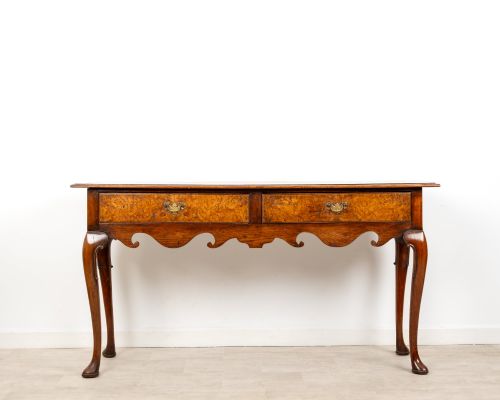
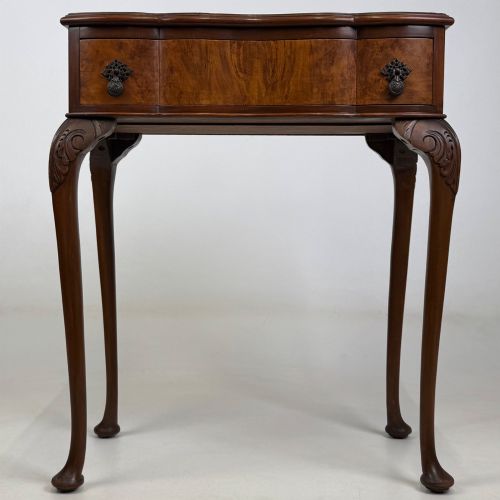
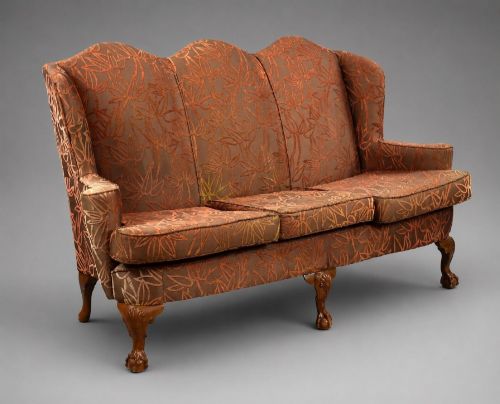
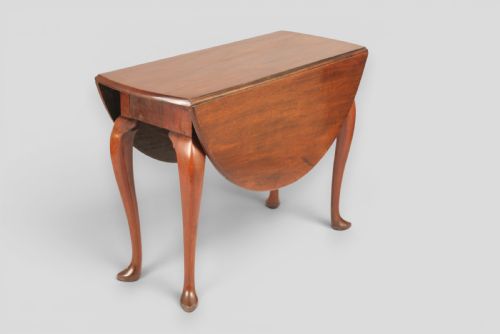
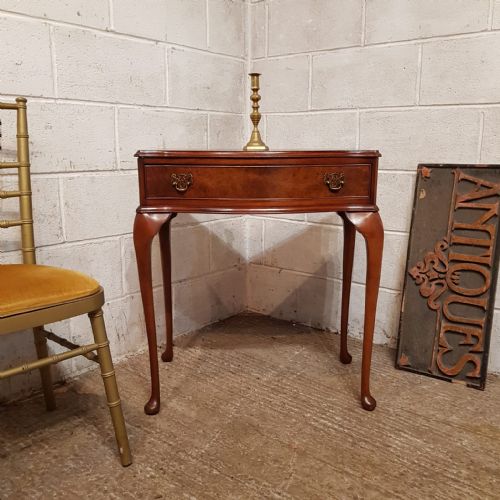
The form encompasses two-seat settees, three-seat configurations, camel-back profiles, and wingback designs upholstered in velvet, fabric, or traditional materials. Alongside these substantial seats, the historical record for this phrase incorporates related occasional furniture, including burr walnut sofa tables, console tables, and drop-leaf pieces. The predominant seating forms balance padded comfort with visible wooden elements that trace the lineage of classic English furniture design.
Materials and construction
Cabinetmakers and upholsterers relied primarily on walnut, burr walnut, and mahogany to build the structural frames of a queen anne sofa. Timber selection dictated the visual weight, with figured walnut veneers and solid walnut sections providing rich grain patterns across the legs and rails. Brass hardware appears selectively on associated tables, while the seating itself relies upon deep upholstery foundations.
Upholstery techniques combined traditional webbing and springs with durable outer textiles such as velvet and woven fabric. Carved details on the woodwork, including pad feet, ball and claw motifs, and scroll terminals, required precise hand-tooling by skilled artisans. The integration of textile panels with exposed wooden frames demanded careful joinery to support daily use.
Upholstered seating forms include settees, camel-back sofas, and wingback configurations alongside matching side tables.
Distinctions in craftsmanship
Quality in a queen anne sofa rests upon the selection of timber veneers and the crispness of hand-carved wooden elements. Superior examples display carefully matched burr walnut or rich solid walnut figures that follow the natural contours of the frame without distortion. The definition in cabriole legs and foot terminals separates routine production from work executed by accomplished cabinetmakers.
The execution of the upholstery foundation and the integrity of the joinery govern the longevity and structural stability of the piece. Finer seating maintains taut lines, supportive internal padding, and rigid frame joints that withstand pressure without shifting. The harmony between the upholstered body and the exposed wooden framework determines the aesthetic success of the design.
The Queen Anne Sofa Glossary
- Cabriole leg
- A furniture leg that curves outward in a convex arc at the knee and tapers inward in a concave arc toward the foot, mimicking animal limbs. This form provides structural strength without heavy bracing.
- Pad foot
- A simple, flat-bottomed foot resting at the base of a cabriole leg, common in early eighteenth-century designs. It distributes weight evenly on the floor.
- Ball and claw
- A foot carving depicting a bird talon clutching a spherical ball, inspired by Chinese motifs reaching Europe through trade. It terminates the base of the leg on grander seating.
- Camel back
- An upholstered sofa back featuring a continuous, undulating convex curve resembling the hump of a camel. This profile distributes visual tension across long seating spans.
- Wingback
- An armchair or sofa style featuring protective lateral panels attached to the upper back, designed to shield occupants from drafts. These wings transition smoothly into rolled armrests.
Queen Anne Sofa: Frequently Asked Questions
How do I identify an eighteenth-century original?
Authentic eighteenth-century examples display hand-cut joinery, oxidized primary timbers like English walnut, and structural wear consistent with centuries of use. Examining the underside and internal framing reveals the tool marks and construction methods of early period makers.
Revival pieces from later eras often utilise standardised machine-cut components, modern fixings, and secondary woods uncommon in early workshops. Comparing timber patination and construction details clarifies the exact era of manufacture.
How do I care for a walnut frame?
Maintain finished walnut woodwork by dusting regularly with a soft, dry cloth and avoiding direct exposure to harsh sunlight or radical temperature fluctuations. Natural oils and occasional waxing preserve the depth of the grain without sealing the timber.
Protect upholstered sections by keeping fabric clean through professional maintenance and preventing moisture contact with the underlying wooden structure.
Where does the name come from?
The designation references the reign of Queen Anne, during which domestic furniture shed heavy seventeenth-century proportions in favour of curved lines, comfort, and unadorned wooden surfaces. While many pieces date from later revival eras, the stylistic vocabulary remains tied to this foundational period.
Designers in the nineteenth and twentieth centuries continually revisited these specific aesthetic markers, keeping the nomenclature active across multiple generations of production.