


Queen Anne Accent Table
A queen anne accent table brings sculptural walnut grain and characteristic cabriole legs into a room, offering practical surface space with understated period elegance.
Queen Anne Accent Table
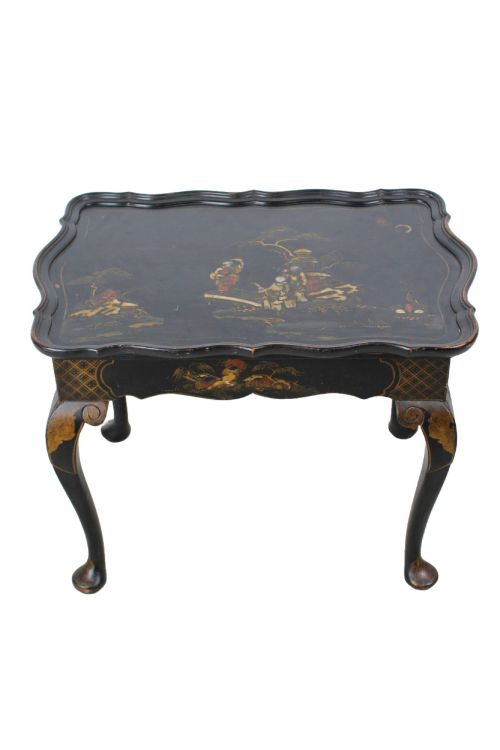
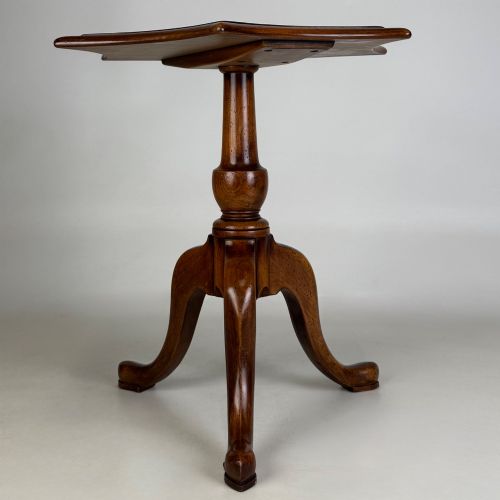
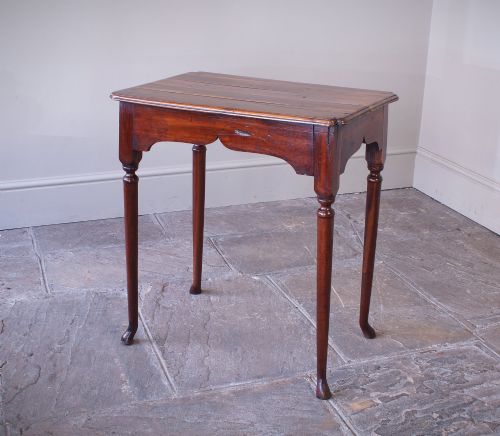
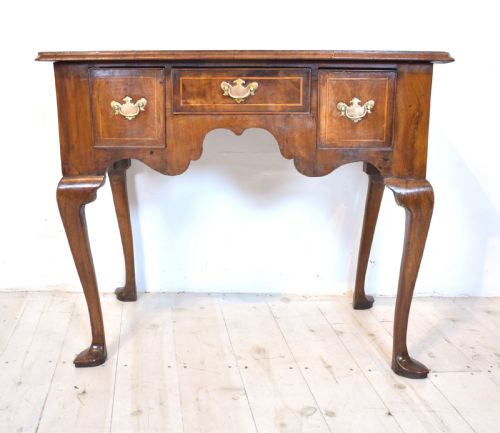
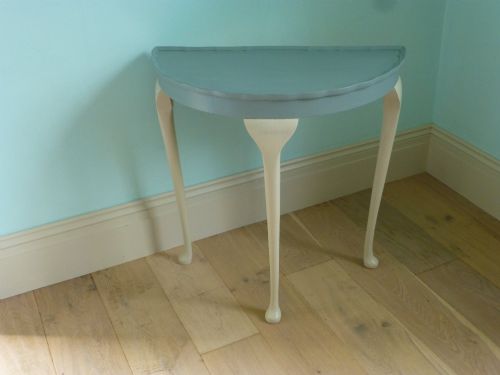
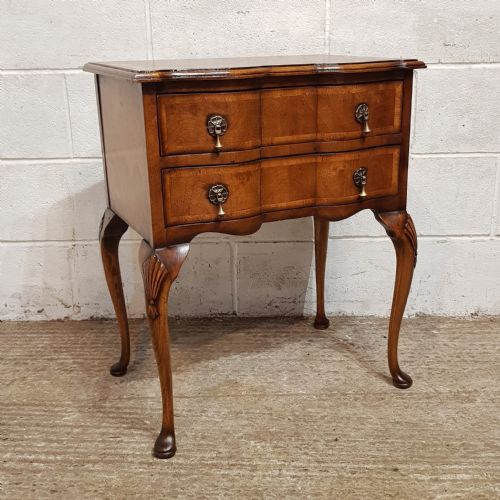
A queen anne accent table encompasses diverse lowboys, side tables, and occasional pieces originating primarily from the eighteenth century alongside later revival periods. These items serve daily functional needs as lamp, coffee, or side tables while carrying distinct historical silhouettes.
Judging quality
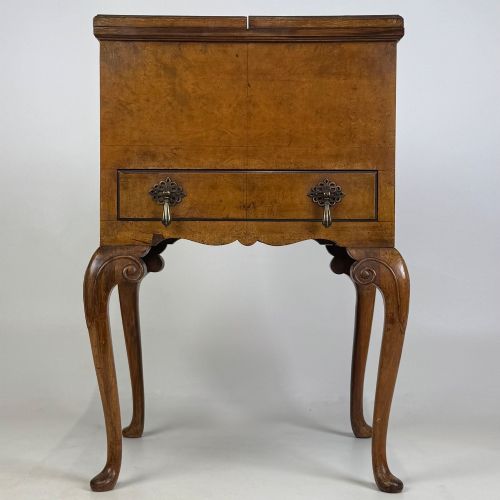
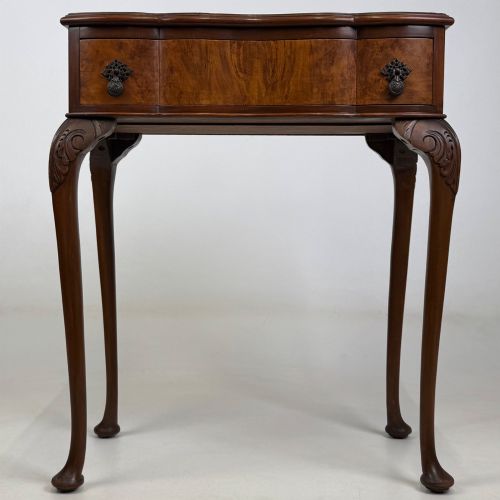
Distinctions in quality rest upon the choice of timber figure, such as richly marked burr walnut or figured walnut veneers. Superior examples display refined proportions and crisp carving on the knees of the cabriole legs.
Construction integrity and timber selection differentiate standard production from finer cabinetwork. Original surfaces and patination elevate the standing of eighteenth-century pieces against later revival items.
Listings feature pieces spanning the eighteenth century, Edwardian era, and the 1920s and 1930s revival periods.
Shoolbred and Co
The Queen Anne Accent Table Glossary
- Cabriole leg
- A furniture leg that curves outward at the knee and tapers inward to an ankle, terminating in a pad or foot. This form defines much of the stylistic vocabulary associated with these tables.
- Lowboy
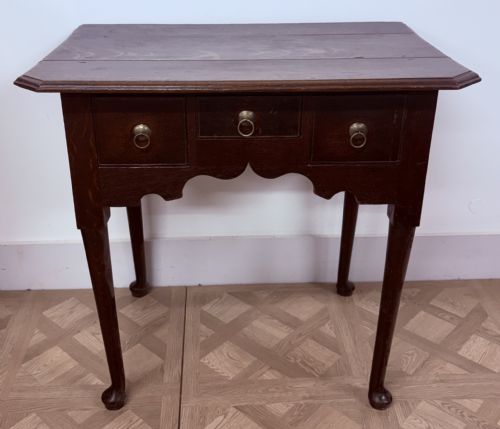
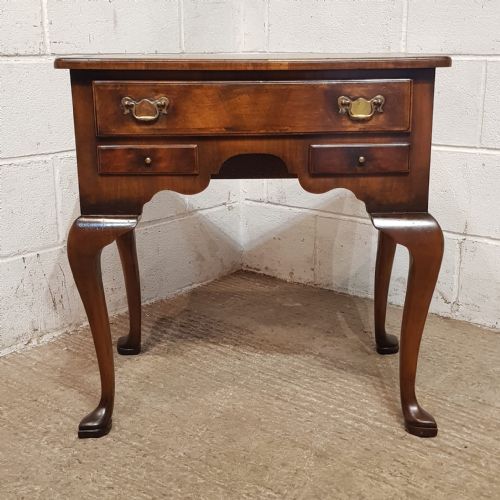
- A small dressing table or side table featuring one or more drawers and relatively short legs. Eighteenth-century examples in walnut remain highly sought after by collectors.
- Gateleg table
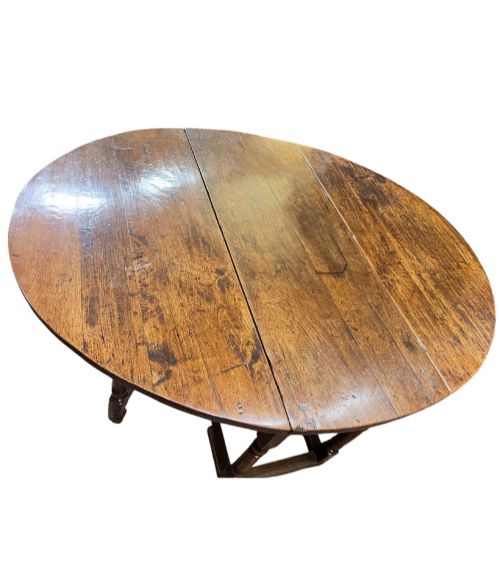
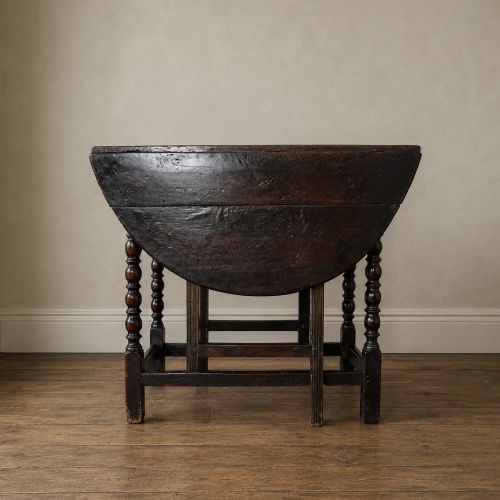
- A drop-leaf table with hinged legs that swing outward to support the folding leaves. Early models frequently employ sturdy oak construction.
- Marquetry
- Decorative inlay work using various coloured veneers to create pictorial or geometric patterns on wooden surfaces. Mid-eighteenth-century pieces occasionally incorporate this technique.
Queen Anne Accent Table: Frequently Asked Questions
How do I identify a genuine period table?
Examine the timber construction, joinery methods, and overall patination of the wood surfaces. Eighteenth-century examples show construction details and wear patterns distinct from twentieth-century revivals.
Comparing the grain selection and leg profile against known period pieces helps clarify the date of manufacture. Consulting the listed period details provides further guidance.
Where should I place a lowboy?
A lowboy suits hallways, living rooms, or bedrooms as a compact side table or writing surface. Its shallow depth allows it to sit comfortably against walls without obstructing pathways.
The fitted drawers offer convenient storage for small items while the surface holds lamps or decorative objects. Their modest scale makes them versatile additions to various interior schemes.
What is the difference between oak and walnut versions?
Oak examples generally date to the early eighteenth century or earlier, displaying a robust and straightforward construction. They suit rustic or traditional room settings.
Walnut and burr walnut versions offer smoother grain figures and warmer tones, often featuring shaped aprons and cabriole legs. These tend to present a more refined aesthetic.
How do I care for a veneered surface?
Keep wooden furniture away from direct sunlight and heat sources to prevent the burr walnut veneer from drying or cracking. Regular dusting with a soft, dry cloth maintains the finish.
Avoid using silicone-based polishes or excessive moisture on antique timber. Gentle cleaning preserves the natural patination built up over centuries.