




Qing Dynasty Style Chairs
Qing dynasty style chairs offer sturdy seating rooted in traditional Chinese craftsmanship.
What They Are
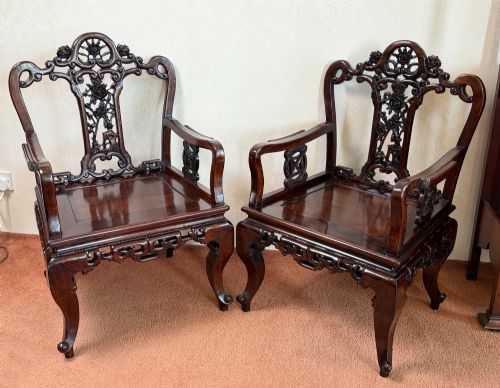
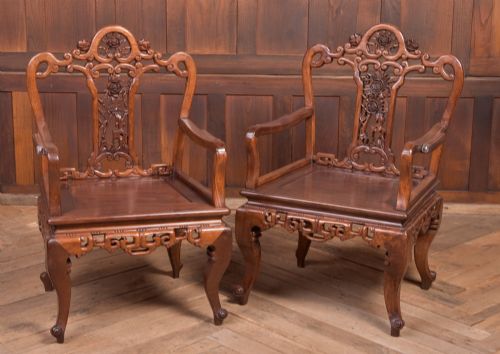
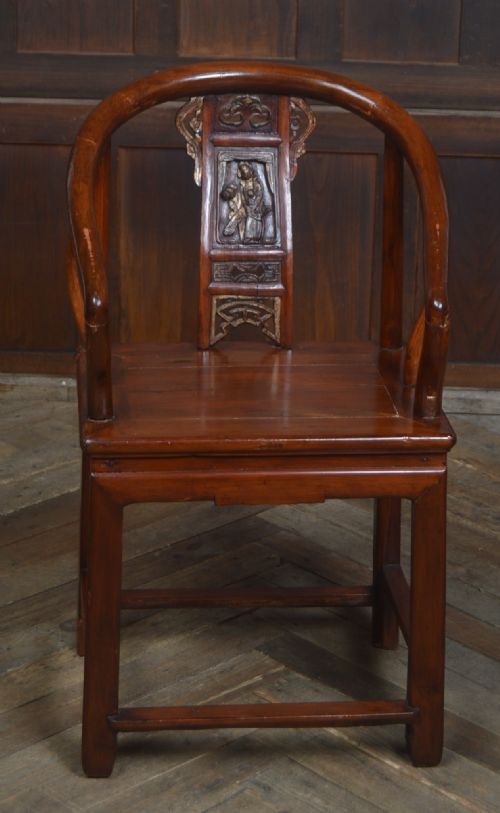
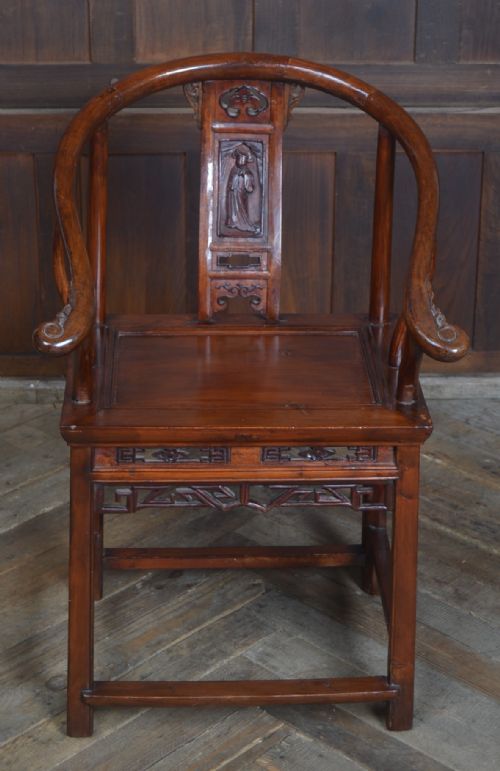
Qing dynasty style chairs encompass pieces originating from the nineteenth century up to nineteen twenty, taking the form of armchairs, hall chairs, and horseshoe shaped seats. These items include Chinese export variations alongside traditional Chinese designs created during the nineteenth century and the year eighteen eighty.
How They Were Made
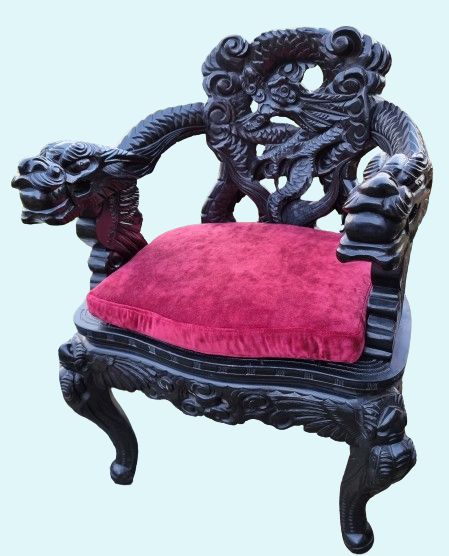
Maker workshops utilised dense timbers including hardwood, rosewood, Hongmu, and teak to construct these substantial frames. Artisans shaped these robust woods through traditional joinery methods, often incorporating carved wooden motifs.
Surface ornamentation involved intricate hand carving alongside brass inlay work and lacquered wood finishes. Certain seating variations integrated woven cane or applied fabric elements into the wooden structure.
Retail Price Guide 2026
Typical UK retail prices for qing dynasty style chairs, calculated from the Sellingantiques database of over a million retail prices indexed since 2003. This retail price guide relies exclusively on Sellingantiques data; no external sources or auction records are used, so the figures do not describe the wider market.
Listings span three specific periods: the nineteenth century, eighteen eighty, and nineteen twenty.
What Varies in Quality
The standard of craftsmanship shows in the depth and precision of the carved details across the hardwood and Hongmu frames. Superior examples display crisp lines and deliberate execution in every ornamental motif.
Material selection dictates the structural integrity and visual weight of the seating, with dense timbers like Hongmu and teak offering greater durability. The integration of decorative elements such as brass inlay further separates standard production from finer workmanship.
The Qing Dynasty Style Chairs Glossary
- Hongmu
- A dense tropical hardwood often utilised in traditional Chinese furniture making. This heavy timber is prized for its dark colour and durability.
- Horseshoe Shape
- A curved backrest design found on specific traditional armchairs. This profile sweeps continuously from the arms to form the upper rail.
- Cane
- Woven plant material utilised for seat panels in traditional seating. This breathable webbing offers a flexible surface insert.
- Brass Inlaid
- Metalwork ornamentation embedded directly into the wooden surface. Artisans hammer thin brass strips into carved channels to create geometric or pictorial patterns.
Frequently Asked Questions
What periods do these chairs date from?
The available seating dates primarily from the nineteenth century, with specific examples recorded around eighteen eighty and nineteen twenty. These periods encompass traditional Chinese production alongside Chinese export pieces.
Historical examples reflect the enduring aesthetic of the Qing era, maintaining traditional forms across different decades of manufacture.
What woods were used for these chairs?
Maker workshops utilised heavy hardwoods, specifically rosewood, Hongmu, and teak. Lacquered wood also appears among the material selection.
These dense timbers provided the necessary structural strength for intricate carving and daily use in traditional settings.
Are these chairs sold in pairs?
The current selection consists entirely of matched pairs of armchairs and hall chairs. This configuration reflects how many traditional Chinese seating forms were originally produced for reception spaces.
Collectors frequently encounter these items grouped as pairs featuring coordinated carving and timber selection.
What decorative features do they have?
Carved wooden surfaces form the primary ornamentation across the armchairs and hall chairs. Certain pieces incorporate brass inlay or lacquered wood finishes.
Additional textural elements include cane panels and fabric inserts integrated into the wooden frames.