


Qing Dynasty Style Carving
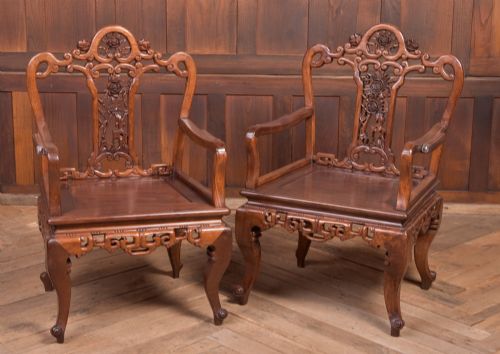
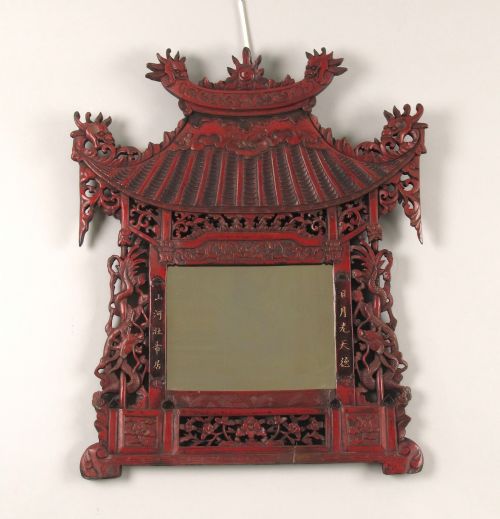
These pieces of qing dynasty style carving bring finely worked hardwood, jade, and lacquer into rooms through armchairs, stands, and tables made across the nineteenth century.
Qing Dynasty Style Carving
A buyer seeking qing dynasty style carving encounters substantial seating and display furniture alongside smaller scholar objects, originating mostly from the nineteenth century with occasional eighteenth-century examples.
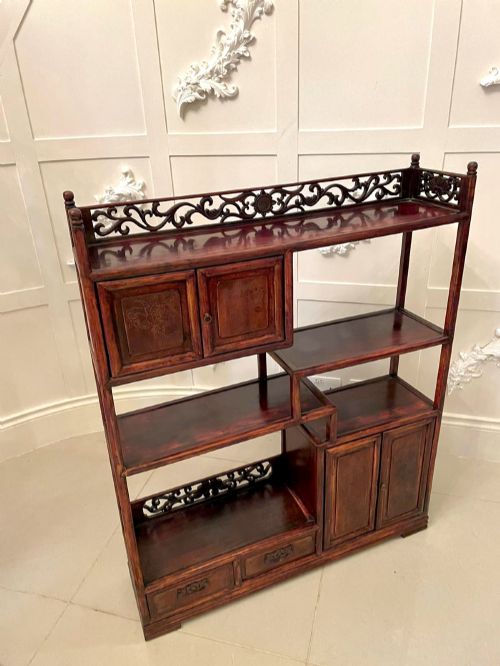
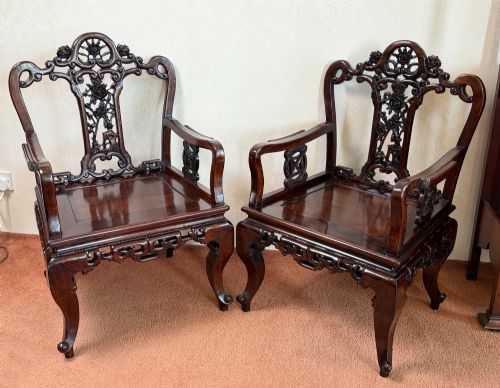
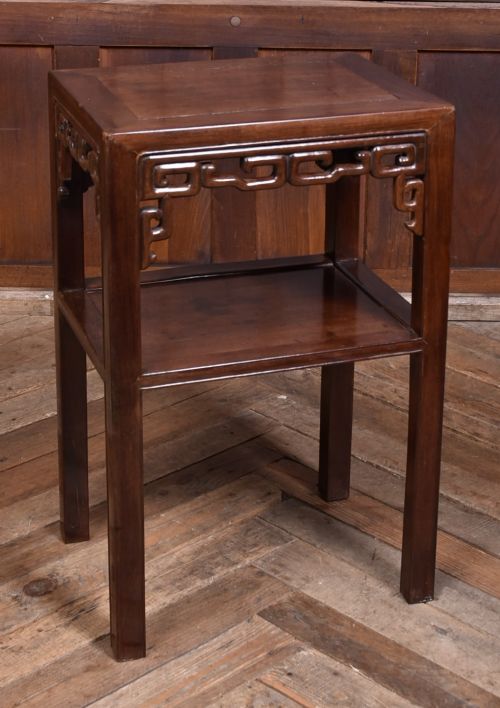
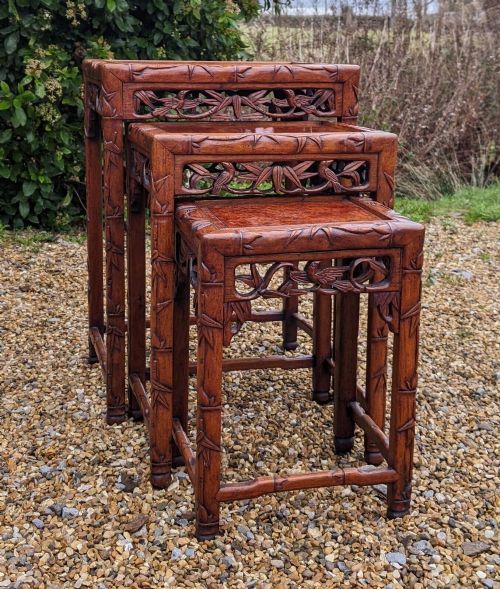
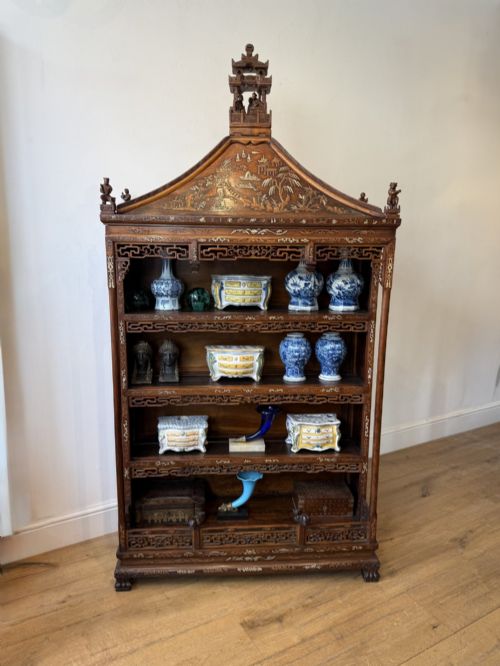
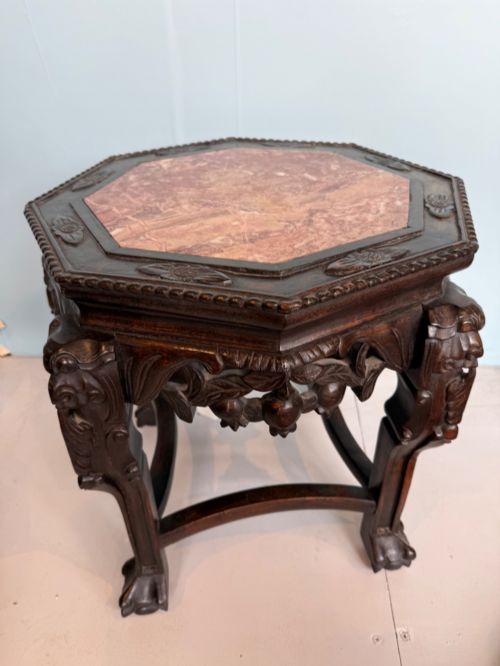
Armchairs, plant stands, occasional tables, and display cabinets dominate the forms, frequently rendered in dense timber with intricate relief work.
The aesthetic bridges traditional Chinese motifs with nineteenth-century production for both domestic and export markets.
Materials and construction
Carvers utilised dense timbers such as hardwood, rosewood, elm, and huanghuali, allowing deep undercutting and crisp relief without splintering.
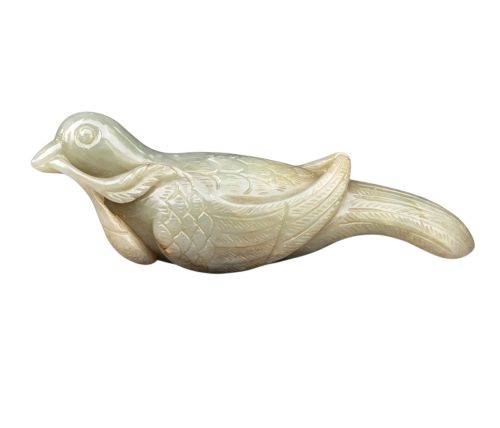
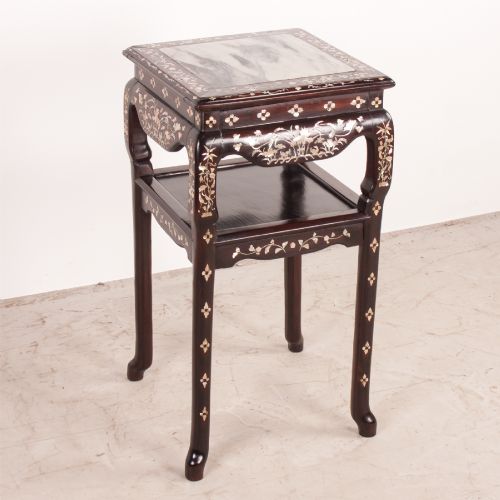
Surfaces were frequently finished with lacquer, mother-of-pearl inlay, or gilt wood, while jade and hardstone pieces required abrasive grinding and polishing.
Joinery relied on traditional interlocking frames to support heavy marble inserts in tabletop and pedestal surfaces.
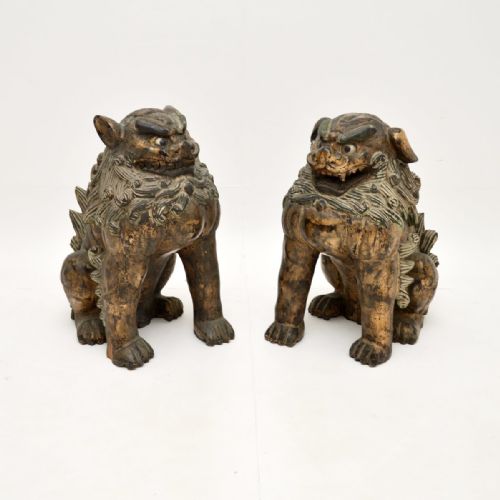
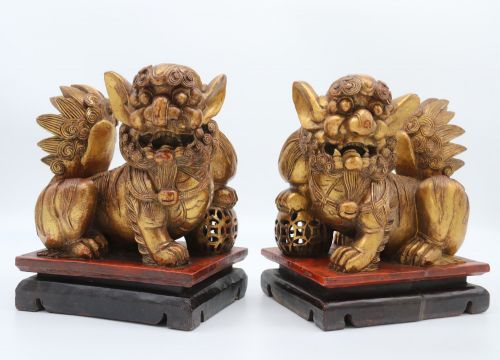
Foo dog statues stand guard over doorways with wide stone grins, ready to ward off bad luck from the living room.
Assessing quality
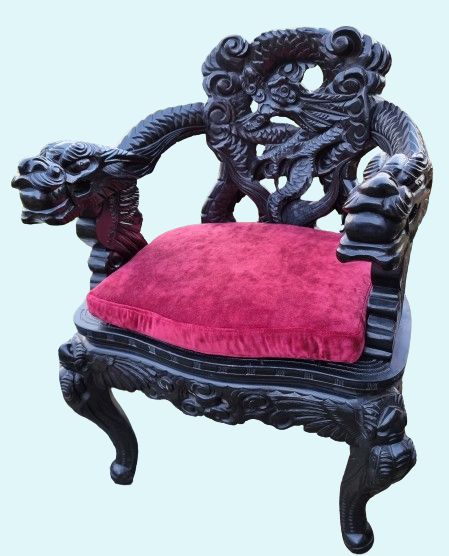
Depth and clarity of the chisel work separate master carvers from standard commercial workshops, visible in the articulation of dragon scales, foliage, and figures.
The selection of timber grain and the precise fit of secondary materials like marble or mother-of-pearl dictate the standing of a piece.
The Qing Dynasty Style Carving Glossary
- Hardwood
- Dense, heavy timber such as rosewood or huanghuali used for structural stability and fine carved detail. It resists warping and takes a high natural polish.
- Jadeware
- Carved mineral ornaments and vessels shaped from nephrite or jadeite. These objects often incorporate natural russet inclusions into the design.
- Torchere
- A tall stand or pedestal designed to support a lamp or candleholder. They frequently feature carved tripod bases and circular tops.
- Cinnabar
- Carved lacquer built up in numerous layers over a wooden core before being deeply cut with figures or landscapes. The process requires months of meticulous application.
Qing Dynasty Style Carving: Frequently Asked Questions
How do I identify a nineteenth-century piece?
Examine the construction methods and the tool marks left on secondary timbers. Nineteenth-century examples typically show hand-cut joinery and heavy, dense woods.
Patina and wear patterns on the high-contact areas of armchairs and tables also offer reliable indicators of age.
Where were these carved items used?
Many items served practical and ceremonial roles within scholar studios, reception rooms, and ancestral halls. Display cabinets and plant stands held porcelain and jade.
Throne chairs and armchairs occupied primary positions in formal interior settings.
How should I care for hardwood furniture?
Maintain stable humidity levels to prevent timber from splitting around marble inserts or intricate joints. Avoid direct sunlight to protect the natural finish and colour.
Dust regularly with a dry cloth and apply occasional specialist wax sparingly.
What is huanghuali timber?
Huanghuali is a prized fragrant hardwood known for its rich grain patterns and warm amber tones. It was favored for high-status tables and seating.
The density of the wood allows for exceptionally sharp carved edges.