







Qing Dynasty Stool
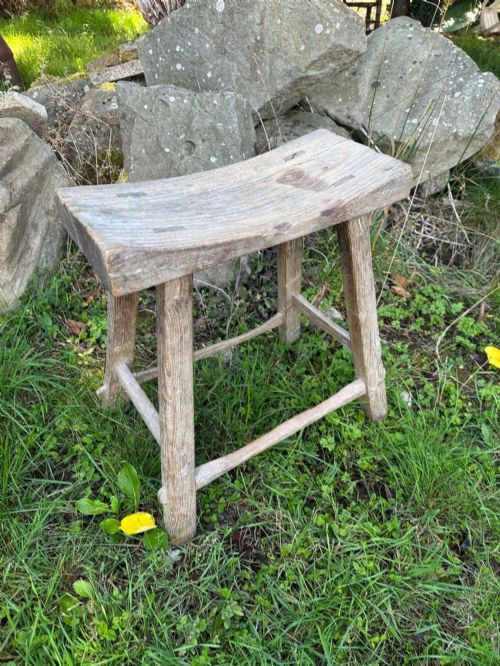
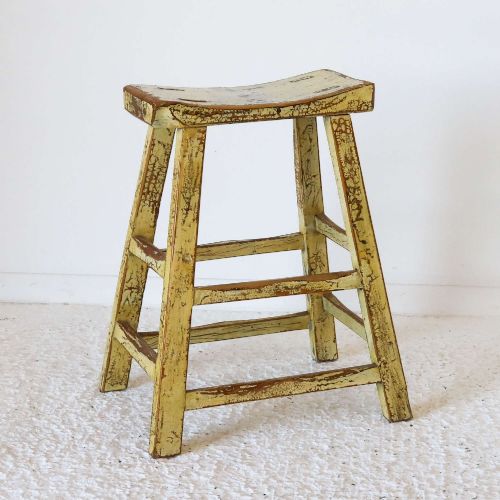
A qing dynasty stool brings substantial timber and stone into a room, serving variously as a low seat, plant stand or small table.
Qing Dynasty Stool
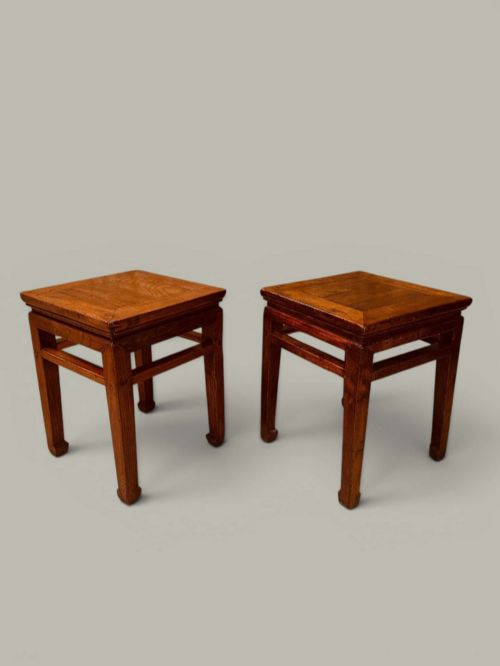
When searching for a qing dynasty stool, buyers encounter a diverse selection of nineteenth-century forms originating from China. These items encompass low tables, garden seats, benches, and occasional stands alongside traditional stools.
The inventory on this page draws heavily from the nineteenth century, including specific dates such as 1860, 1880, 1890, and 1900. Many examples display regional characteristics under styles like Chinese Provincial, Chinese Export, and Chinoiserie.
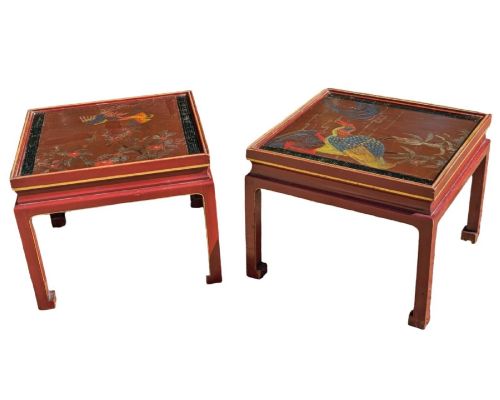
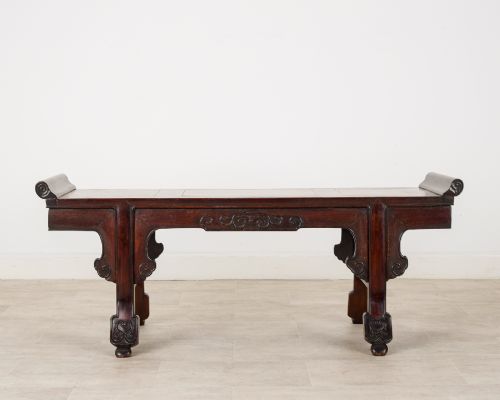
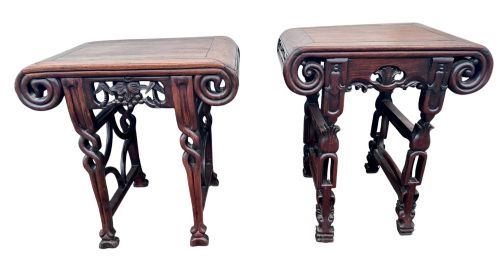
Forms range from drum-shaped barrel seats and dish-top stools to altar benches and plant stands. Buyers frequently find paired items alongside single rustic or carved examples.
Distinctions in quality
The standard of carving and timber selection determines the tier of a piece. Denser timbers like hongmu and huali support sharper, deeper relief carving than standard elm or mixed hardwoods.
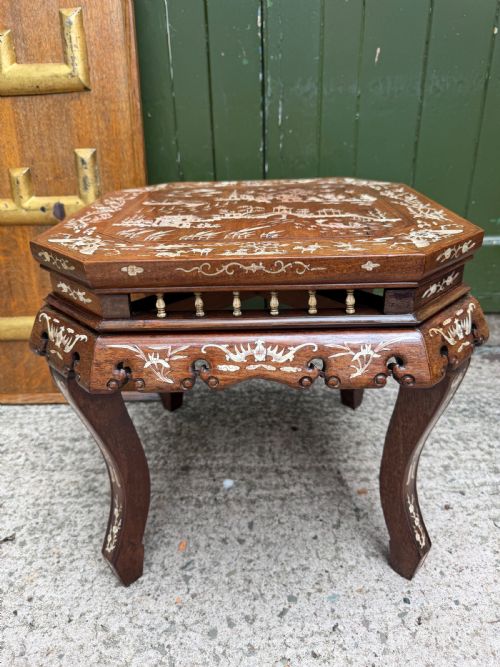
Integration of decorative elements dictates visual success. Items featuring fitted inset marble panels, cloisonné, or mother-of-pearl inlay require precise joinery to maintain stability across seasonal changes in temperature.
Qing Dynasty Stool Retail Price Guide 2026
Typical asking prices for qing dynasty stool among the pieces listed under this phrase on Sellingantiques today, from the lower quarter to the upper quarter. They describe what is for sale here now, not the wider market.
One unusual piece pairs deep quartz with rootwood, reminding us that nature occasionally designs the furniture first.
The Qing Dynasty Stool Glossary
- Hongmu
- A dense, heavy hardwood prized by makers for its rich colour and durability. It takes a fine carved finish and appears frequently in nineteenth-century stands.
- Famille rose
- A palette of opaque enamel colours dominated by pink, used on porcelain garden seats. It emerged during the Qing dynasty and remained popular through the nineteenth century.
- Huali
- A fragrant, highly figured hardwood utilised for fine seating and tables. It yields smooth surfaces when turned or carved.
- Cloisonné
- An enamelwork technique where metal wire forms compartments on a base, which are then filled with paste and fired. Pairs of side tables occasionally employ this method.
- Rose medallion
- A distinct style of Chinese export porcelain decoration featuring panels of figures and birds surrounded by flowers. It appears commonly on barrel-shaped garden seats.
Qing Dynasty Stool: Frequently Asked Questions
How were garden seats used?
Garden seats served primarily as outdoor resting places on verandas and in courtyards. Their weather-resistant ceramic construction suited exterior placement.
Over time, owners brought these barrel-shaped forms indoors to function as occasional tables or plant stands beside larger furniture.
What is hongmu timber?
Hongmu translates directly to red wood, representing a category of dense tropical hardwoods rather than a single botanical species. Makers valued it for structural integrity and deep natural tones.
Objects fashioned from hongmu withstand heavy daily use while retaining crisp carved details across decades.
Are marble top stands fragile?
Inset marble tops consist of heavy stone slabs dropped securely into a rebated wooden frame. The surrounding timber shoulders the structural load.
While the stone itself is brittle, normal domestic placement does not compromise the stability of the tabletop.
How do I date these pieces?
Dating relies on stylistic markers, construction methods, and material availability documented across the nineteenth century. Pieces often exhibit transitional traits between regional vernacular and formal export styles.
Evaluations consider specific timber choices, lacquer finishes, and decorative motifs characteristic of the era.