




Qing Dynasty Occasional Table
A qing dynasty occasional table brings dense hardwood and intricate carving into a modern room, serving as a sturdy surface for lamps or plants.
Qing Dynasty Occasional Table
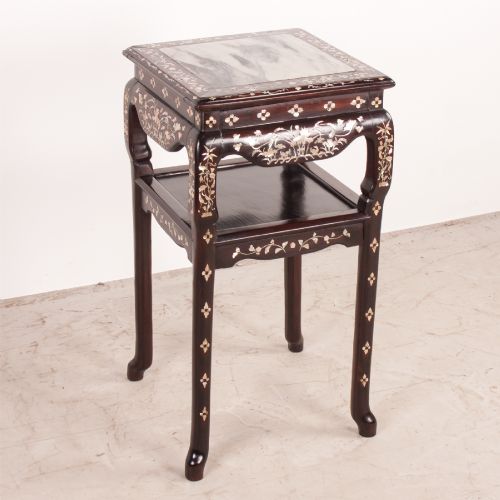
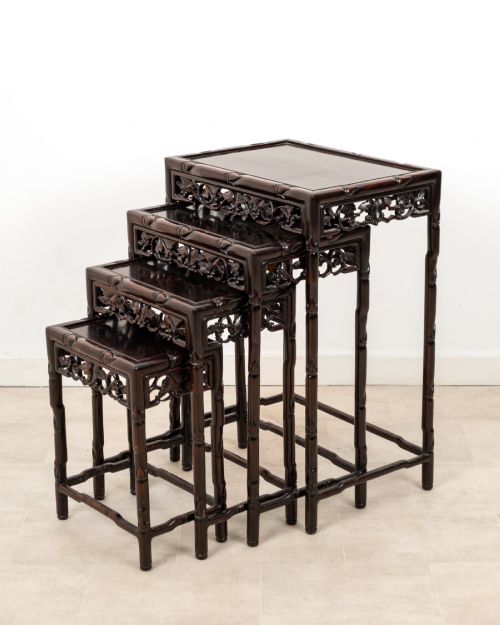
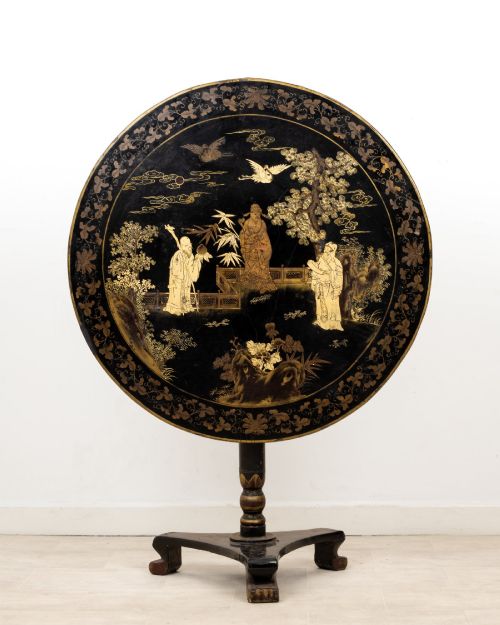
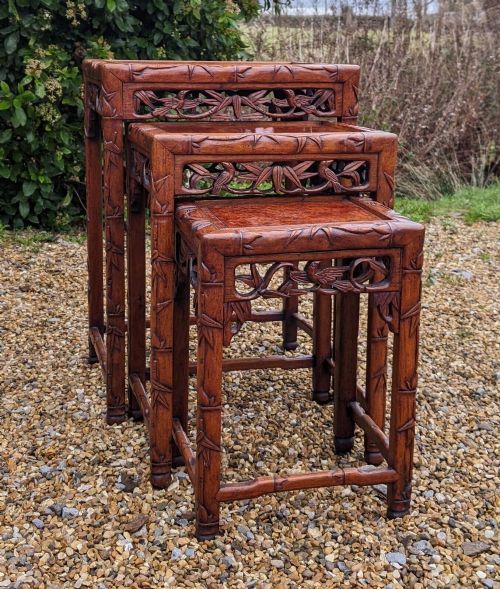
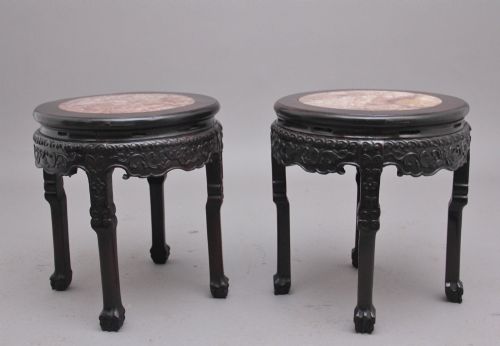
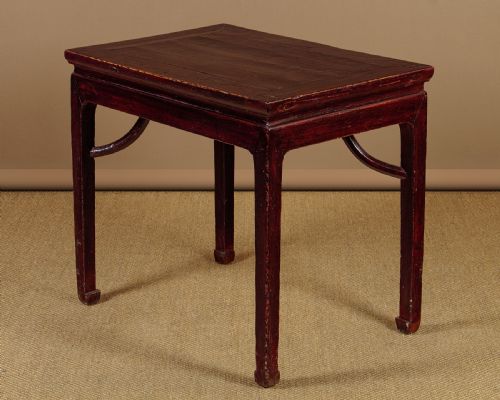
A qing dynasty occasional table encompasses a wide range of low stands, plant supports, nesting sets, and side tables originating from China during the nineteenth and early twentieth centuries. These pieces appear in forms such as round tops, octagonal shapes, and rectangular folding tray tables, often built to hold decorative objects or serve daily household functions.
Materials and construction methods
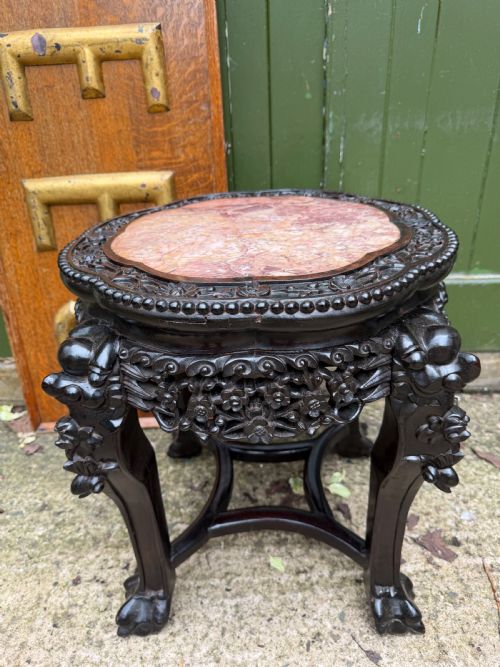
Cabinetmakers utilised dense timbers such as hongmu, rosewood, huanghuali, and elm, selecting each wood for its natural grain and structural weight. These materials provided the necessary strength for intricate pierced carving and complex joinery without requiring metal fasteners.
Surfaces were frequently inlaid with variegated marble, quartz, lacquer, or mother of pearl to create striking visual contrast against the dark timber. Some smaller stands employed rootwood or incorporated folding bases designed for practical transport and storage.
Nesting tables consistently appear in sets of three or four graduated sizes.
Distinguishing quality across pieces
The degree of crispness in the hand carving dictates much of the visual distinction, separating sharply defined motifs from softer, shallower execution. Timber selection also plays a central role, with dense hongmu and figured huanghuali commanding attention for their natural colour and grain depth.
Structural integrity depends upon the tightness of the original joinery and the stability of inset elements like marble or stone tops. Pieces that retain their original surface finishes and matching nesting components demonstrate greater preservation over time.
The Qing Dynasty Occasional Table Glossary
- Hongmu
- A dense, heavy Chinese hardwood prized for its dark tone and durability in traditional furniture making. It frequently appears in nineteenth-century stands and tables.
- Jardiniere stand
- A tall or low table specifically designed to hold a plant pot or flower bowl. These stands often feature inset marble tops to protect the wood from moisture.
- Quartetto
- A matched set of four graduated nesting tables designed to slide neatly beneath one another. They were widely produced around nineteen hundred for domestic utility.
- Chinoiserie
- European artistic interpretation and imitation of Chinese decorative styles. This aesthetic influenced various export items made for Western markets.
Qing Dynasty Occasional Table: Frequently Asked Questions
How do I use a qing dynasty occasional table at home?
These tables function well as lamp stands beside seating, as low plant supports, or as bedside surfaces in contemporary interiors. Their compact proportions allow them to fit easily into smaller spaces without dominating a room.
Nesting sets offer flexible surface space that can be expanded when entertaining and stored compactly afterward. Marble-topped versions provide a durable, heat-resistant surface for drinks and ornaments.
What woods were commonly used for these tables?
Cabinetmakers primarily relied on dense tropical hardwoods including hongmu, rosewood, and huanghuali for high-status items. Elm and local fruitwoods appeared frequently in more provincial or domestic vernacular pieces.
Inlaid materials such as mother of pearl, marble, and quartz were integrated directly into the wooden frames to add colour and texture. Rootwood also appears in specific rustic stands from the late nineteenth century.
How can I tell the period of a Chinese table?
Dating relies on examining construction techniques, joinery methods, and the specific wear patterns accumulated over generations of use. Nineteenth-century pieces typically exhibit hand-cut joinery and aged patination on the timber surfaces.
Stylistic details like deep relief carving, ebonised finishes, and specific hardware help narrow down the production era. Comparing the wood density and weight provides further clues regarding age and origin.