
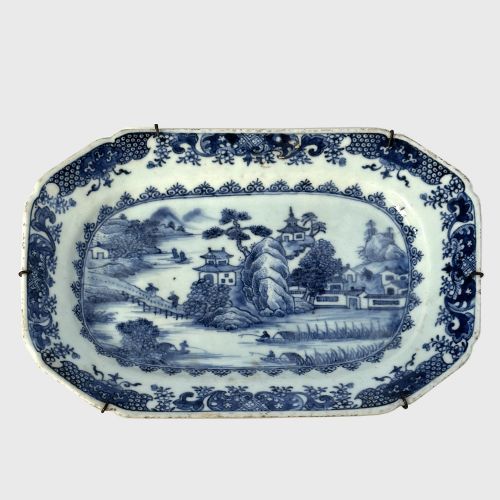


Qing Dynasty Export Charger
A qing dynasty export charger brings hand-painted porcelain artistry into the home, offering centuries of maritime trade history and decorative mastery.
Qing Dynasty Export Charger
A qing dynasty export charger represents large-scale ceramic production made in China specifically for international markets across the eighteenth and nineteenth centuries. These items encompass wide plates, platters, and decorative dishes intended primarily for display or service in European and Western households.
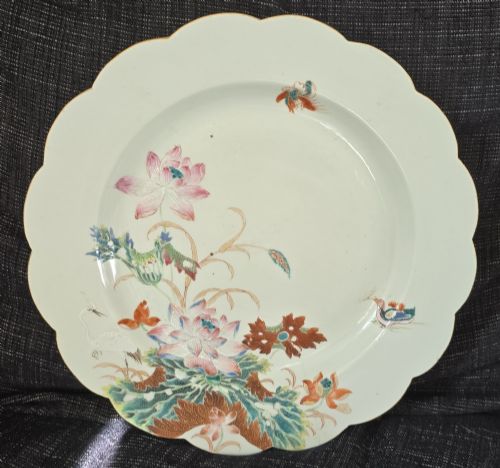
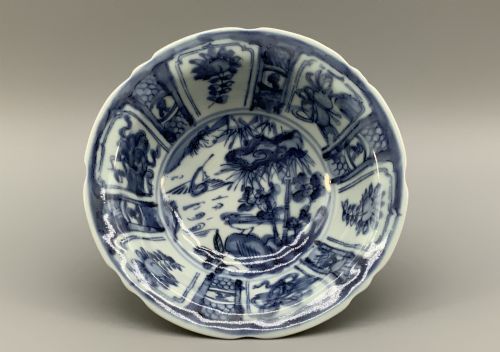
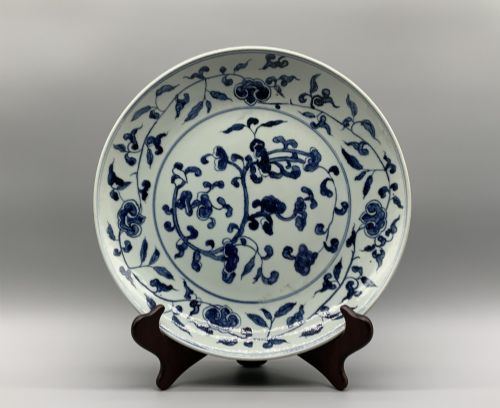
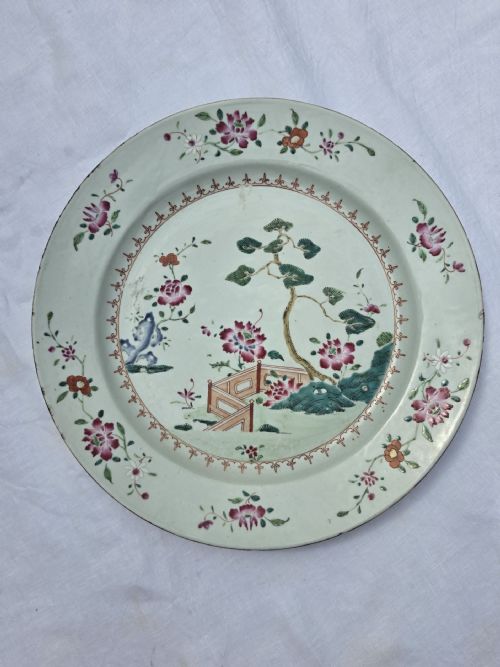
Buyers browsing this selection will frequently encounter blue and white porcelain chargers originating from the Kangxi period alongside colourful Famille Rose and Chinese Imari examples. The inventory spans straightforward serving dishes to elaborate cloisonné enamel plaques and imperial iron-red wares.
What Varies in Quality
The standard of a qing dynasty export charger rests upon the precision and complexity of its hand-painted imagery. Superior examples display crisp cobalt brushwork or finely detailed enamel work with harmonious compositions across the entire surface.
The refinement of the porcelain body and the preservation of any applied gold leaf or iron-red pigment further distinguish finer pieces. Consistency in the glaze finish and the clarity of period marks separate standard utility wares from masterwork decorative plaques.
Several chargers feature intricate dragons painted so fiercely they might scare the Sunday roast straight off the table.
The Qing Dynasty Export Charger Glossary
- Cobalt Underglaze
- A blue pigment applied directly to the unglazed porcelain body before the clear glaze coating and high-temperature firing. This technique protects the intricate painted designs beneath a durable glossy surface.
- Famille Rose
- A palette of opaque enamel colours dominated by pink or rose shades introduced during the Qing dynasty. Artisans utilised these pigments to render complex floral and figurative scenes.
- Chinese Imari
- A style combining underglaze blue with iron-red and gold overglaze enamels, inspired by Japanese porcelain exported through the port of Imari. These pieces are easily recognised by their vibrant tripartite colour scheme.
- Cloisonne
- A decorative metalwork technique where thin wires are soldered to a base to form compartments filled with coloured enamel paste. The object is subsequently fired and polished to a smooth finish.
Qing Dynasty Export Charger: Frequently Asked Questions
What is a qing dynasty export charger?
A qing dynasty export charger is a large decorative plate or platter created in China during the Qing dynasty for overseas buyers. These items served as grand table pieces or wall displays in Western homes.
They reflect the cross-cultural exchange of the maritime trade era, combining traditional Chinese ceramic techniques with motifs designed to appeal to European tastes.
How do I date a charger?
Dating relies on examining the painting style, the specific palette used, and any reign marks inscribed on the base. Kangxi period pieces often feature intense cobalt blue, while later nineteenth-century items frequently employ dense Famille Rose enamels.
Material analysis also helps, as hard-paste porcelain texture and glaze characteristics evolved across the eighteenth and nineteenth centuries.
Were these chargers used for food?
Many large chargers and platters functioned as serving dishes for communal dining during formal banquets and dinners. Their robust porcelain construction made them suitable for presenting meats and course dishes.
Over time, owners frequently transferred these large plates to display cabinets or hung them on walls to showcase their intricate painted designs.
What is the difference between Imari and Famille Rose?
Chinese Imari pieces utilise a strict palette of cobalt blue, iron-red, and gold highlights, often featuring geometric and floral arrangements. This style mimics earlier Japanese export ceramics.
Famille Rose wares rely on a wider range of opaque enamel colours, notably pink, to depict detailed human figures, birds, and complex botanical scenes.