

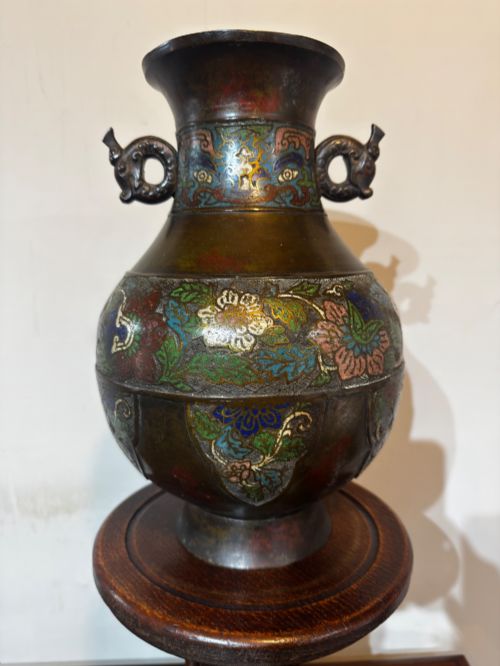


Qing Dynasty Enamel Pot
A qing dynasty enamel pot brings rich copper, bronze, and cloisonne colour to a room through centuries of traditional craft.
Qing Dynasty Enamel Pot
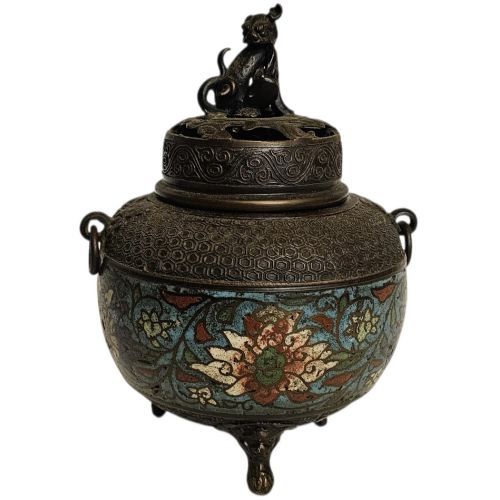
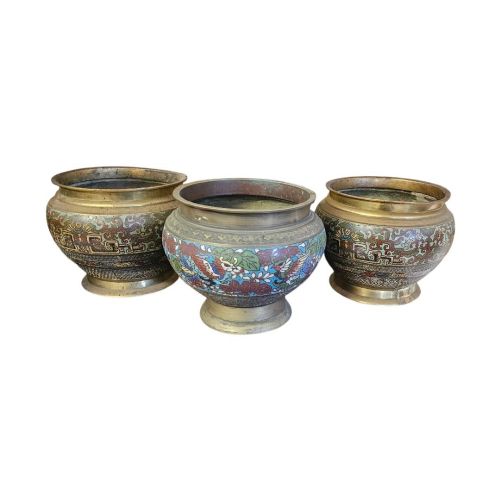
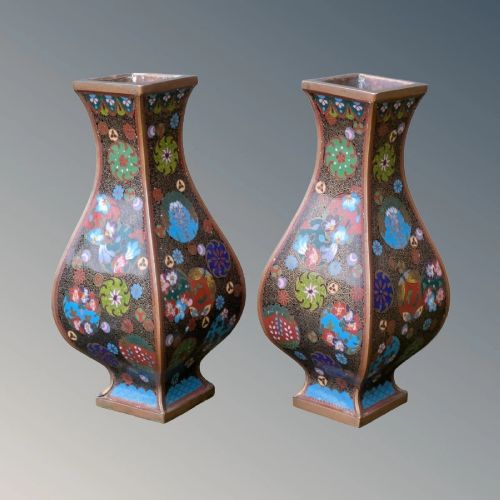
When you search for a qing dynasty enamel pot, you encounter jardinieres, vases, jars, and koro vessels originating from various periods including the eighteenth and nineteenth centuries. These items reflect Chinese Qing style and Chinese export traditions alongside pieces bearing marks from the Guangxu period. Forms range from large matching jardiniere sets and lidded urns to stem cups and bonsai tree sculptures.
You are most likely to meet nineteenth-century cloisonne and bronze champleve examples on this page. These vessels often incorporate hardstone details or gold leaf accents, showing the diverse production scales from the late imperial era into the twentieth century. Each vessel serves as a container or decorative object reflecting distinct historical manufacturing centres.
How they were made
Maker workshops built these vessels using copper, bronze, or brass bodies to form the structural base of the object. Artisans applied enamel pastes within wire compartments for cloisonne work or carved depressions into the metal for champleve designs before firing. Gold leaf and carved hardstones frequently complement the primary enamel surfaces.
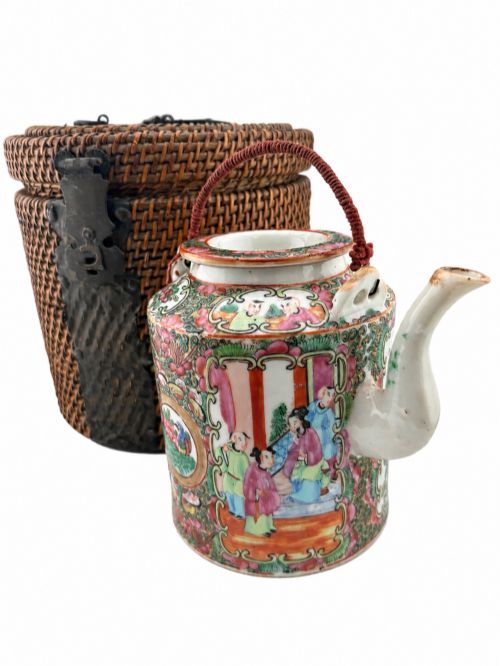
Porcelain serves as the base material for famille rose and doucai pieces, painted with detailed botanical and dragon motifs. Craftsmen combined metal casting, wire bending, and ceramic glazing techniques depending on whether the object took the form of a jar, vase, or jardiniere.
Qing Dynasty Enamel Pot Retail Price Guide 2026
Typical asking prices for qing dynasty enamel pot among the pieces listed under this phrase on Sellingantiques today, from the lower quarter to the upper quarter. They describe what is for sale here now, not the wider market.
The listings feature copper, bronze, and brass combined with cloisonne enamel, hardstone, and gold leaf across multiple centuries.
What varies in quality
The sophistication of the enamel work and the crispness of the bronze or copper casting distinguish finer vessels from standard production pieces. Superior examples display precise wirework, evenly fused enamel colours without pitting, and well-preserved gilt or hardstone additions.
The presence of period marks, such as those from the Qianlong or Guangxu eras, adds historical interest to specific porcelain and cloisonne items. Overall condition, including the integrity of the metal body and the richness of the painted or inlaid details, determines the standing of each individual vessel.
The Qing Dynasty Enamel Pot Glossary
- Cloisonne enamel
- A technique where metal wires form raised barriers on a metallic base to hold coloured enamel pastes before firing. This method creates intricate patterns across vases and jardinieres.
- Champleve
- A method of hollowing out recessed areas in a bronze or copper body to receive enamel before heating and polishing. It results in bold decorative designs on heavy vessels.
- Famille rose
- A palette of opaque enamels dominated by pink or rose colours, widely utilised on Chinese porcelain jars and jardinieres during the Qing period. The style permits fine pictorial depictions of birds and flowers.
- Doucai
- A ceramic decoration technique combining underglaze blue outlines with overglaze enamel colours filled inside the boundaries. Dragon jars often utilise this method.
- Koro
- A traditional ritual incense burner featuring a bowl, cover, and sometimes handles or legs. These bronze or cloisonne vessels functioned as decorative and ceremonial objects.
Qing Dynasty Enamel Pot: Frequently Asked Questions
What is a qing dynasty enamel pot used for?
These vessels functioned primarily as decorative jardinieres for plants, storage jars, incense burners, or ceremonial display objects within traditional interiors.
Today, they serve as focal points on tables or pedestals, bringing historical metalwork and vibrant enamel colours into modern living spaces.
How do I identify a cloisonne vessel?
Look closely at the surface for thin metal wires outlining colourful enamel cells. These wires create a distinct grid pattern across the copper or bronze body.
Running your fingers gently across the surface reveals the slight texture of the wires raised above the smooth enamel infill.
Are all these items from the same century?
The listings span multiple periods, including the eighteenth century, the nineteenth century, and early twentieth-century interpretations like Edwardian pieces.
Each era employed distinct manufacturing techniques, metal alloys, and stylistic motifs that help collectors distinguish between earlier imperial pieces and later export wares.
How should I care for an antique bronze jardiniere?
Keep the metal and enamel surfaces away from direct moisture and clean them gently with a dry, soft cloth to preserve the finish. Avoid harsh chemical polishes that can damage the delicate wirework or historic patina.
Display the vessel in a stable environment where fluctuations in humidity and temperature are kept to a minimum.