



Chinese Export Enamel Vessel
A chinese export enamel vessel brings vibrant Canton colour and intricate metalwork into a room.
Chinese Export Enamel Vessel
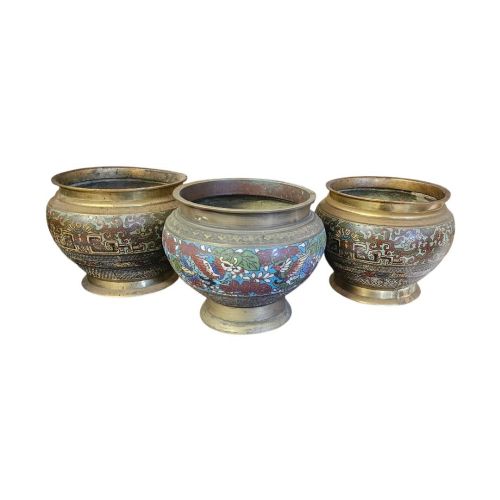
A chinese export enamel vessel spans decorative bowls, jardinieres, vases, and ashtrays created for Western markets during the Qing dynasty and the nineteenth century. These objects combine traditional Chinese craftsmanship with the ornate tastes demanded by European and American collectors of the period.
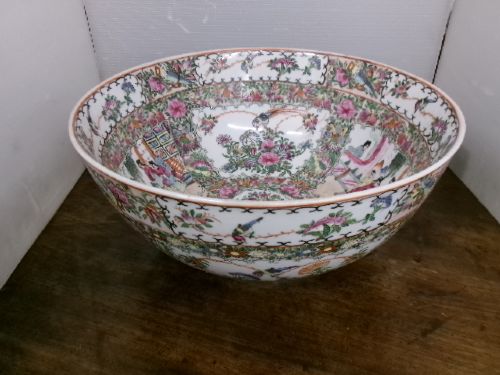
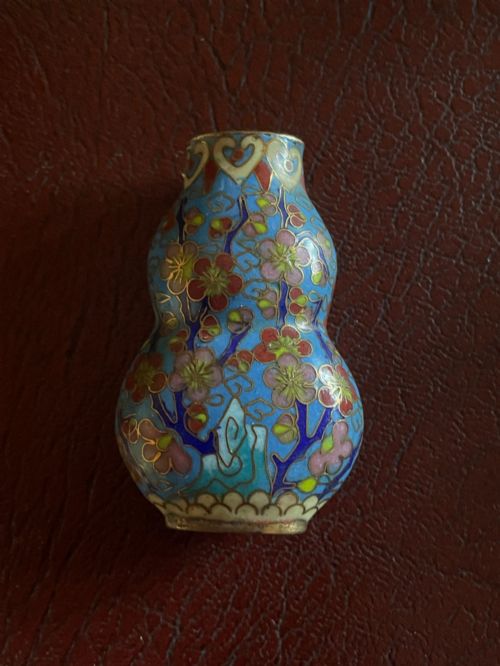
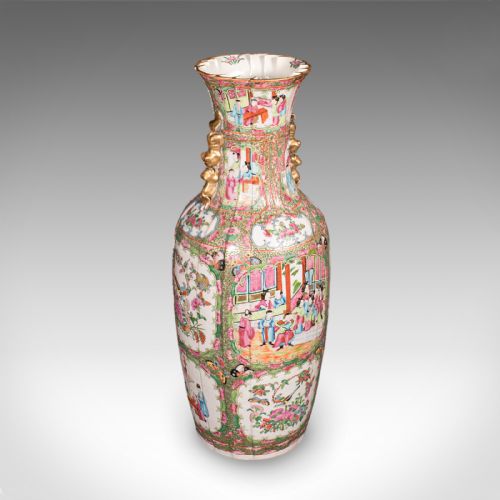
The pieces appearing on this page range from miniature cloisonne vases to large bronze champleve jardinieres and porcelain teacups decorated in famille rose palettes. Most examples date from the nineteenth century, alongside eighteenth-century porcelain cups and Canton enamel pieces.
Buyers seek out a chinese export enamel vessel for its striking combination of hand-painted overglaze colours, gilt details, and robust copper or bronze foundations. Each form demonstrates the skill of workshops producing items specifically for export trade.
How they were made
Makers formed the body of a chinese export enamel vessel using hammered copper, bronze, brass, or ceramic porcelain as a base. Metal vessels often employed cloisonne or champleve techniques, where thin wire partitions or recessed cells held the coloured enamel pastes before firing.
Artisans applied overglaze enamels by hand, building up complex floral, figural, and dragon motifs in bright palettes that included the pink and rose tones characteristic of famille rose porcelain. Gold leaf and gilt highlights were frequently added to frame panels and rims.
A tiny dragon ashtray watches your desk with surprising intensity through miniature jade-rimmed eyes.
What varies in quality
The fineness of the enamel work dictates the quality of a chinese export enamel vessel, separating crowded, hurried decoration from disciplined, precise wiring and smooth surfaces. Superior pieces display crisp colour separation and secure enamel adhesion within the metal cells.
Detailing on painted porcelain and metal mounts also sets examples apart, with finer pieces showing delicate brushwork on motifs like dragons and floral sprays. The weight and stability of the underlying bronze, copper, or porcelain body contribute further to the distinction between standard and exceptional pieces.
The Chinese Export Enamel Vessel Glossary
- Cloisonne
- A metalwork technique where flat wire is soldered to a metal base to create cells filled with enamel paste. These wires remain visible on the finished surface as thin metal outlines between the colours.
- Champleve
- An enamelling method where troughs or cells are carved directly into a thick metal surface and filled with enamel. This technique leaves thicker walls of exposed metal between the coloured areas.
- Famille rose
- A palette of opaque overglaze enamels dominated by pink and rose shades introduced in the Qing dynasty. It allowed artists to achieve subtle tonal gradations in floral and figural designs.
- Canton enamel
- Painted enamel ware produced in the city of Canton specifically for export trade. These pieces often feature dense decorative borders and lively hand-painted scenes.
- Qing Dynasty
- The final imperial dynasty of China, lasting from sixteen forty-four to nineteen twelve. Much of the export art traded internationally originates from the later decades of this period.
Chinese Export Enamel Vessel: Frequently Asked Questions
Can I use these vessels for flowers?
Most antique jardinieres and vases were designed as decorative display objects rather than watertight containers. Pouring water directly into older metal or ceramic vessels risks damaging interior linings and old repairs.
Instead, place a small, hidden glass or plastic liner inside the vessel if you wish to hold fresh stems. This protects the historic interior from moisture and mineral deposits.
How do I date a chinese export enamel vessel?
Examine the base metal, the style of the enamel work, and any associated decorative motifs for clues to the period. Pieces made during the eighteenth century under Qianlong show different palette characteristics compared to later nineteenth-century Canton or late Qing items.
Compare the weight, the brightness of the overglaze enamels, and the fineness of the wirework against documented examples from the same era. Material consistency across the body provides a reliable guide to the decade of manufacture.
Where were these pieces displayed historically?
Western collectors placed these vessels on mantelpieces, side tables, and in dedicated cabinet displays to showcase exotic trade goods. Large jardinieres held indoor plants, while smaller bowls and cups sat on parlour surfaces as decorative conversation pieces.
Their bright colours and detailed workmanship complemented both traditional and eclectic Victorian interior schemes. Today, they serve a similar role as sculptural focal points in modern rooms.