


Brass Cloisonne Floral Vase
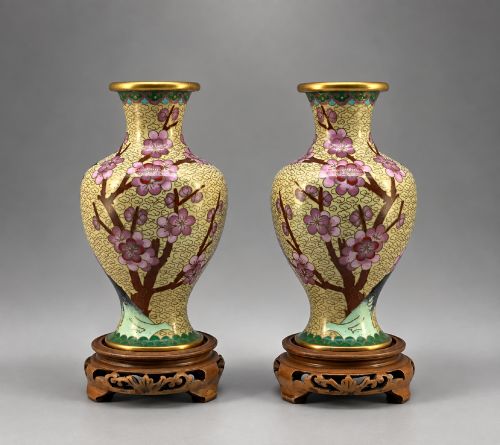
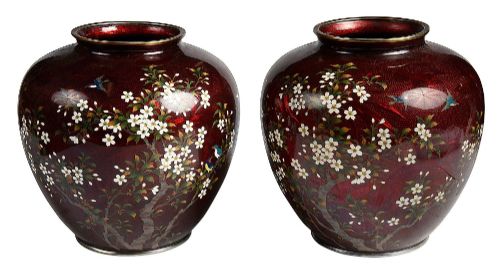
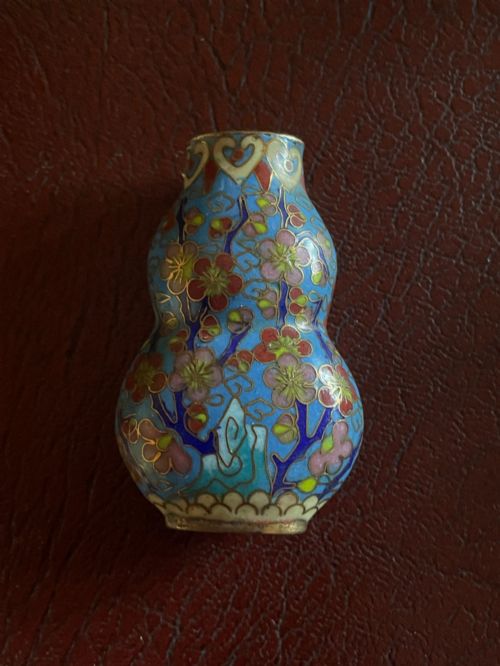
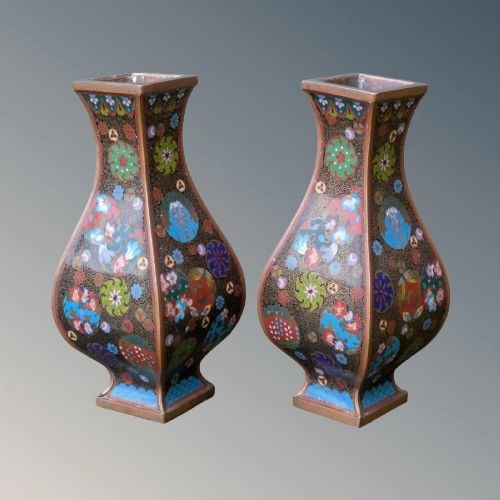
These brass cloisonne floral vase examples combine intricate wirework with vibrant enamel to bring traditional floral motifs directly into your home.
Brass Cloisonne Floral Vase
A brass cloisonne floral vase brings together intricate metalwork and coloured enamels to form striking botanical patterns. When you search for a brass cloisonne floral vase, you encounter items spanning the nineteenth century through to the mid twentieth century, originating from both Chinese and Japanese workshops.
The selections on this page range from small miniature vessels to large decorative pairs, with several pieces thoughtfully adapted into table lamps over time. These items primarily reflect Qing dynasty and Meiji period traditions, showcasing floral designs rendered in rich enamel colourways.
Materials and construction
These vessels are constructed using a metal base of brass, copper, or bronze, upon which fine metal wires are soldered to create raised compartments known as cloisons. Artisans then fill these individual cells with powdered enamel pastes before firing the piece at high temperatures to vitrify the surface.
Further finishing involves grinding and polishing the metal ribbons and enamel until flush, sometimes incorporating silver foil or gilt bronze highlights to add depth to the floral designs.
Listings feature items spanning the nineteenth century, the Edwardian era, and the mid twentieth century up to nineteen forty.
Markers of quality
Quality in these pieces is dictated by the precision of the wirework and the density of the enamel fill. Finer examples display immaculate, uniform wire cells forming intricate floral patterns without pitting or uneven shrinkage in the fired enamel.
The weight of the metal base and the refinement of the polishing also distinguish the finer items from standard decorative wares, alongside the crispness of any gilt or bronze mounts.
The Brass Cloisonne Floral Vase Glossary
- Cloisonne
- A decorative metalwork technique where fine wires form raised cells that are filled with enamel paste and fired. This method creates detailed patterns defined by thin metal outlines.
- Meiji Period
- A Japanese historical era spanning from eighteen sixty-eight to nineteen twelve noted for exceptional decorative arts. Work from this time often shows extreme precision in wire placement.
- Qing Dynasty
- The final imperial dynasty of China, lasting from sixteen forty-four to nineteen twelve. Pieces from this era frequently employ rich traditional floral motifs and robust bronze or brass bases.
- Gilt Bronze
- Bronze metal coated with a thin layer of gold for enhanced appearance. This material provides a lustrous finish that complements the coloured enamel work.
Brass Cloisonne Floral Vase: Frequently Asked Questions
How do I clean my vase?
Dust the surface gently with a soft, dry cloth to prevent accumulation in the wire recesses. Avoid using chemical cleaners or abrasive materials that can scratch the delicate enamel and metal wires.
Keep the piece away from direct sunlight and damp environments to preserve the finish of both the metal and the fired enamel colours.
Are these vases waterproof?
Many antique examples feature altered bases or delicate inner construction from their conversion into lamps or long-term display use. It is safest to use them for dry floral arrangements rather than filling them with water.
Protecting the interior prevents moisture from causing corrosion to the brass or copper foundation beneath the enamel.
How do I date my vase?
Examine the style of the floral motifs, the composition of the underlying metal, and the overall weight of the piece. Nineteenth century examples often feature heavier brass or bronze foundations compared to later twentieth century productions.
Look closely at the fineness of the wirework and the colour palette, as earlier Chinese and Japanese pieces utilise distinct tones and manufacturing signatures.
Where should I display it?
Place your piece in a secure location away from heavy household traffic where it can be admired in natural light. Their vibrant floral enamels make them ideal focal points on sideboards, mantels, or dedicated display cabinets.
Ensure the supporting surface is stable, particularly with taller vessels or those adapted into table lamps.