



Qing Dynasty Ceramic Platter
A qing dynasty ceramic platter brings centuries of imperial kiln mastery to the table, offering a striking centrepiece for display or dining.
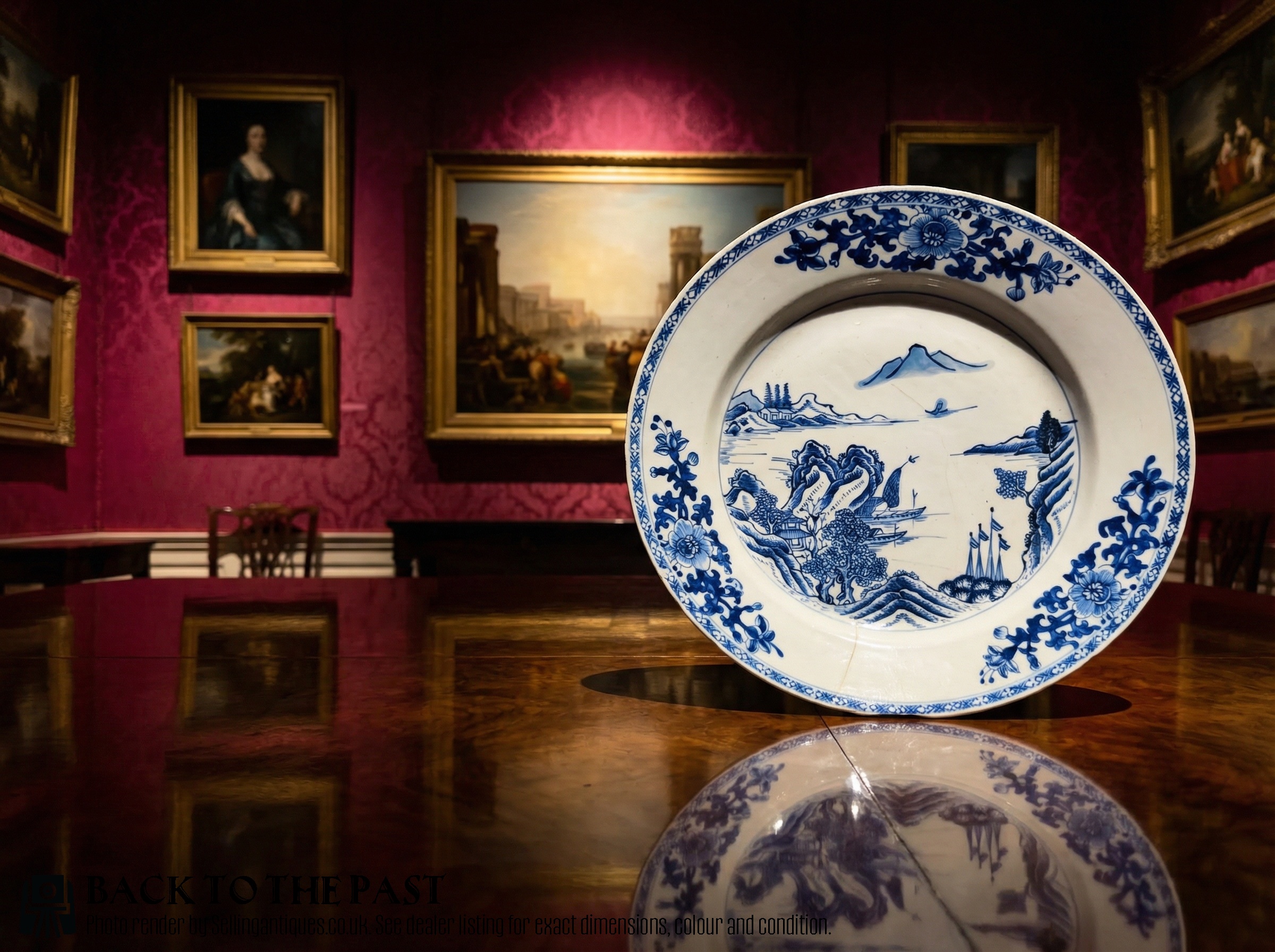
Qing Dynasty Ceramic Platter
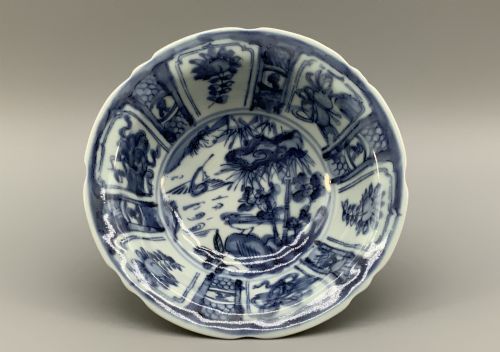
A qing dynasty ceramic platter encompasses large chargers, serving dishes, and decorative plates originating from China between the seventeenth and early twentieth centuries. These forms reflect both domestic utility and international trade, particularly through Chinese Export wares destined for Western markets.
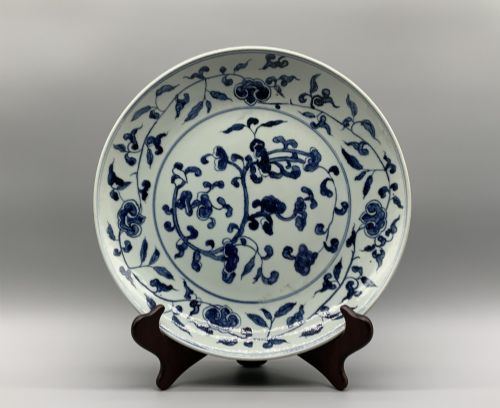
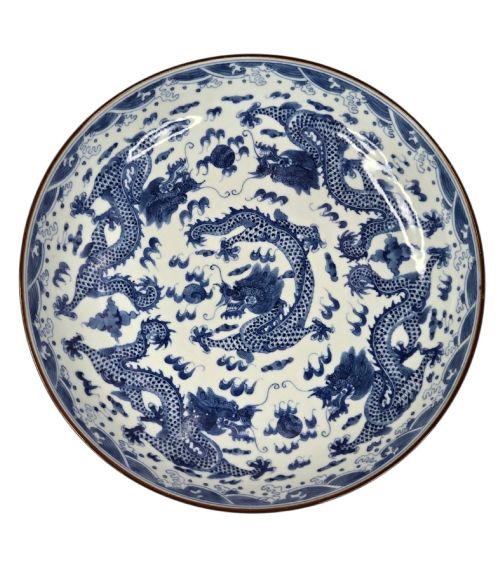
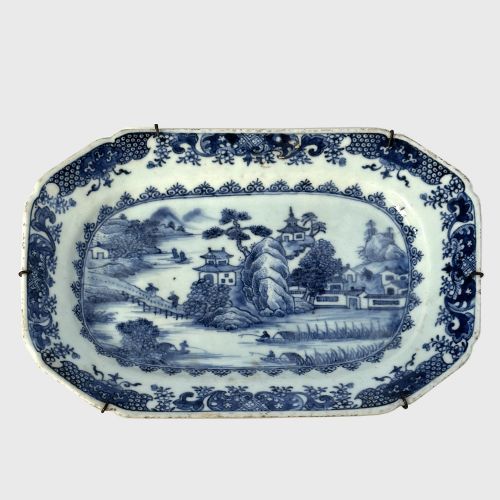
Buyers encounter substantial blue and white porcelain chargers from the Kangxi period alongside colourful Famille Rose and Famille Verte services from the eighteenth and nineteenth centuries. Platters often feature intricate floral moulding, barbed rims, or narrative court scenes painted across hard-paste porcelain bodies.
Materials and construction
Potters utilised hard-paste porcelain combined with cobalt pigment to achieve deep underglaze blue designs on chargers and serving platters. Overglaze enamels in green, pink, and other vibrant hues were added for Famille Verte and Famille Rose pieces, requiring multiple firings in high-temperature kilns.
Dishes were hand-painted by skilled artisans, applying cobalt glaze or enamel decoration directly to the ceramic body before or after the primary glaze firing. Certain serving platters incorporated moulded floral borders or integrated meat drainers suited for formal dining.
Current listings feature porcelain chargers and platters spanning the seventeenth, eighteenth, and nineteenth centuries, alongside pieces from around nineteen hundred.
Distinctions in quality
Quality rests in the precision of the hand-painted brushwork and the clarity of the cobalt underglaze or overglaze enamels. Superior examples display crisp definition in complex motifs such as dragons, court figures, and botanical sprays without pooling or blurring in the glaze.
The weight, resonance, and integrity of the hard-paste porcelain body distinguish finer chargers and platters from simpler utility wares. Balanced proportions and carefully finished foot rims indicate higher standards of imperial or export production.
Bluett and Sons
The Qing Dynasty Ceramic Platter Glossary
- Charger
- A large decorative plate or platter, typically exceeding twelve inches in diameter, used historically for ceremonial service or display on a sideboard.
- Hard-paste porcelain
- A dense, vitrified ceramic material composed of kaolin and petuntse, fired at high temperatures to produce a durable and slightly translucent body.
- Cobalt underglaze
- A blue pigment applied to the raw ceramic body before glazing and firing, allowing the colour to fuse permanently beneath the glossy surface.
- Famille rose
- A palette of opaque overglaze enamels dominated by pink or rose colours, introduced during the Qing dynasty and widely used on eighteenth-century export porcelain.
- Famille verte
- A green-dominated palette of overglaze enamels utilised during the Qing dynasty to create vibrant polychrome scenes on porcelain dishes and bowls.
Qing Dynasty Ceramic Platter: Frequently Asked Questions
How do I date a qing dynasty ceramic platter?
Dating relies on stylistic shifts in painting, reign marks, and palette combinations across the seventeenth, eighteenth, and nineteenth centuries. Cobalt intensity and enamel opacity provide further clues to the specific decade of production.
Examining the foot rim and the composition of the hard-paste porcelain body helps distinguish earlier Kangxi pieces from later nineteenth-century Canton wares.
Were these platters used for dining?
Large chargers and serving platters served functional roles in elite households and international trade, accommodating substantial joints of meat or communal dishes. Many export pieces were commissioned specifically for European dining tables.
Over time, numerous chargers transitioned to decorative display objects, hung on walls or exhibited on sideboards due to their striking painted designs.
What is Chinese export porcelain?
Chinese export porcelain refers to wares manufactured in China specifically for overseas markets in Europe and the Americas. These pieces often blended traditional Chinese forms with Western heraldic or decorative preferences.
Platters made for export frequently exhibit robust hard-paste bodies designed to withstand long sea journeys while retaining refined hand-painted decoration.
How should I display a large ceramic charger?
Large chargers require secure wall mounts designed specifically for heavy porcelain or sturdy plate stands with adequate depth to support the rim. Placing them away from direct foot traffic and vibration ensures their long-term safety.
Pairing a charger with simpler surroundings allows the intricate blue and white or Famille Rose pigments to remain the visual focal point of the room.