
Qing Dynasty Carved Stand
A qing dynasty carved stand elevates porcelain, jade, and bronze while anchoring an interior with dense timber and intricate relief work.
Qing Dynasty Carved Stand
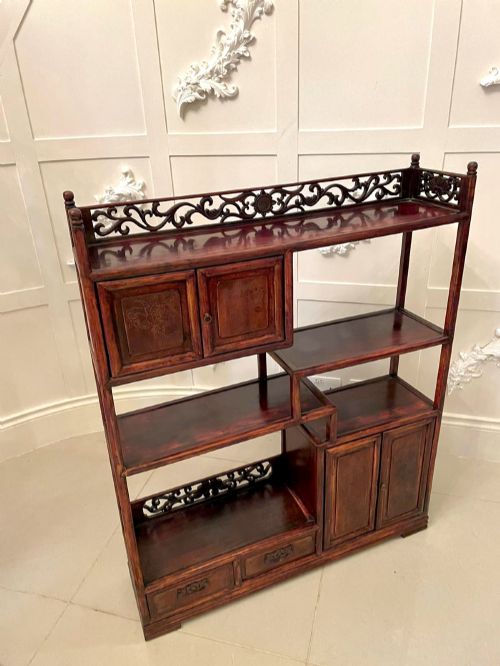
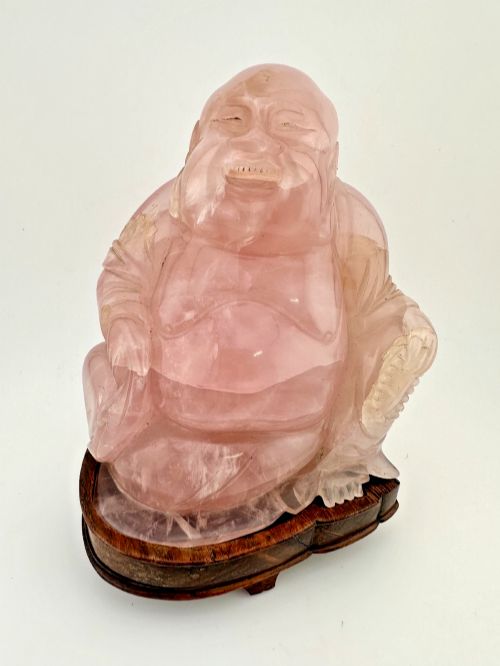
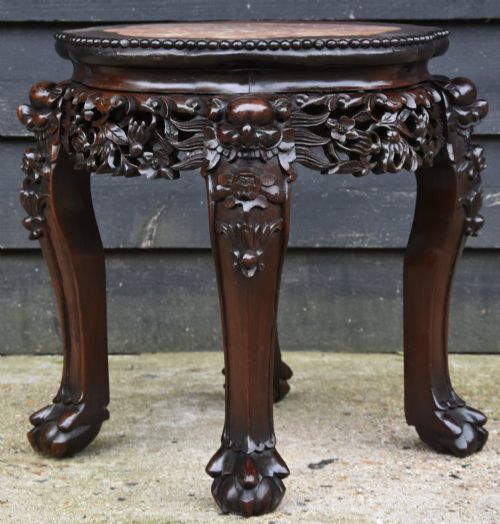
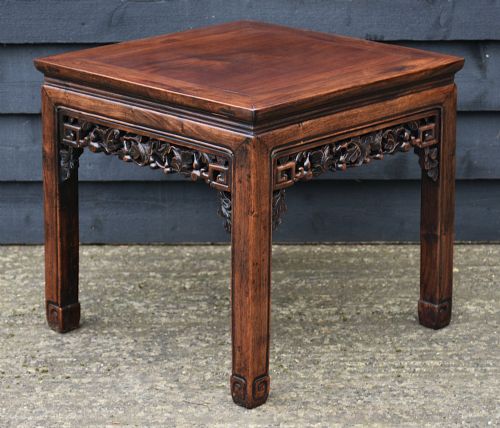
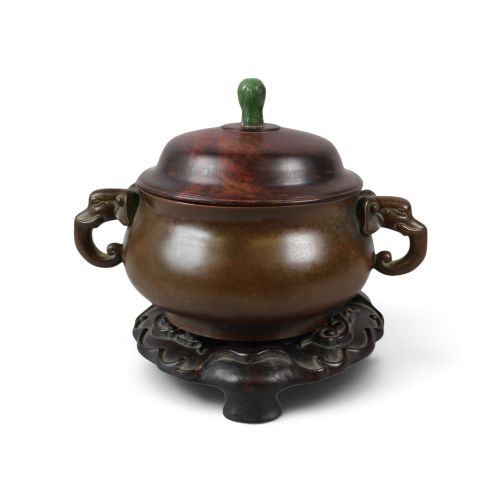
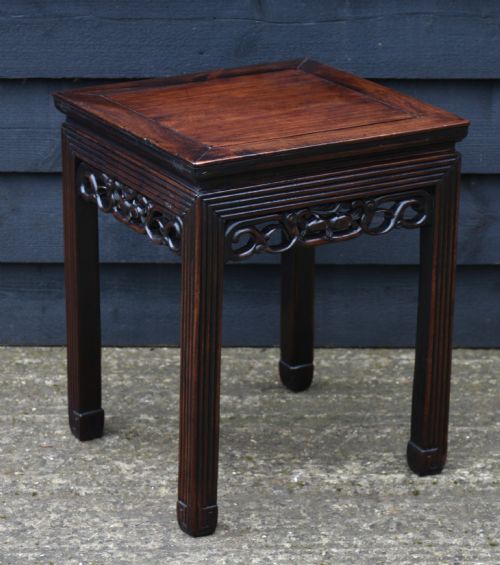
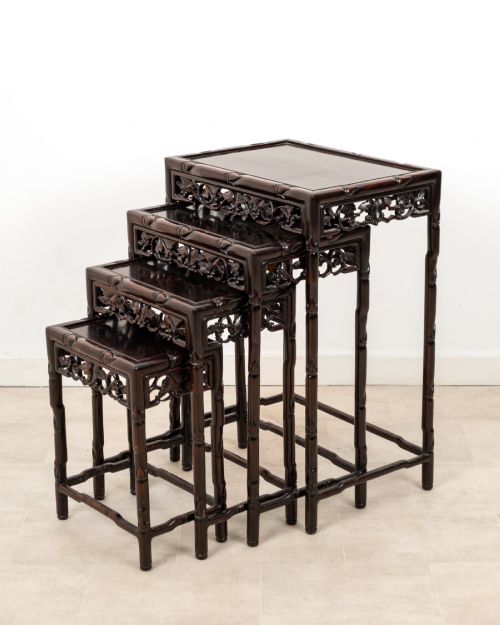
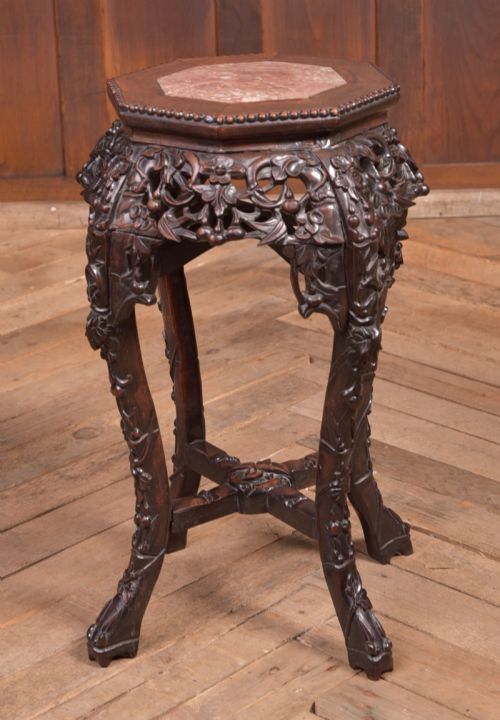
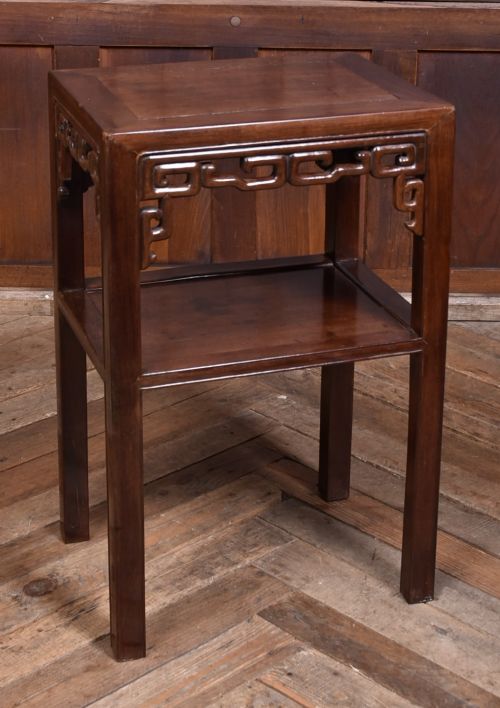
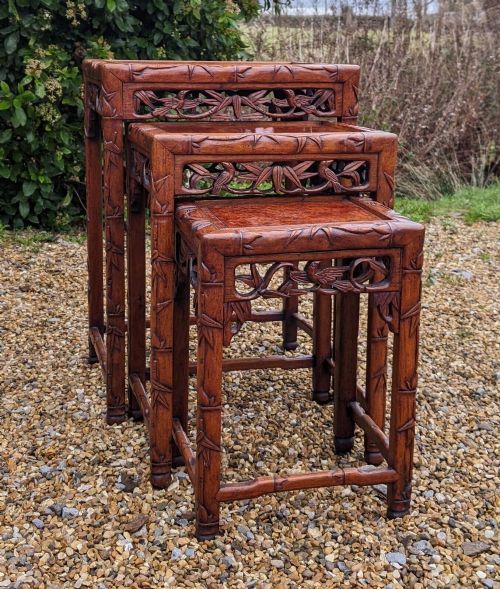
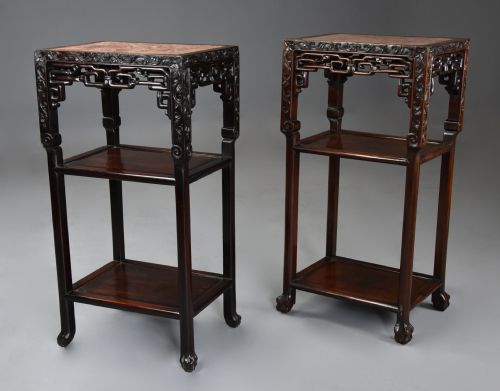
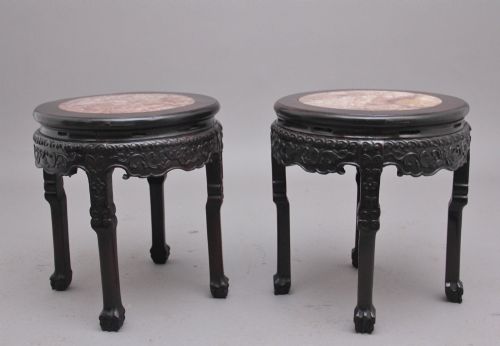
A qing dynasty carved stand encompasses low tables, jardiniere supports, and display furniture designed to elevate decorative objects. The forms range from hexagonal vase pedestals to nested side tables and elaborate multi-tiered stands.
Most examples originate from the nineteenth century, including late Qing production and traditional export variants. Buyers find these utilitarian yet highly decorative pieces utilised for displaying vessels, plants, and sculptures.
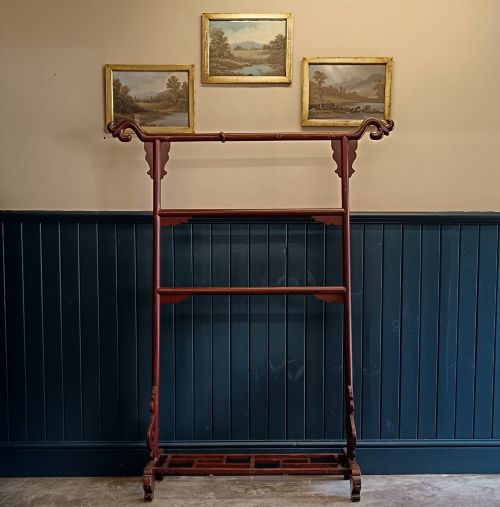
The selection includes specialised furniture such as robe racks, drum stools, and cabinets built to incorporate carved wooden frames. Hardwood construction dominates the surviving items, frequently paired with inset stone panels.
How they were made
Craftsmen utilised dense Asian hardwoods such as rosewood, padouk, and huanghuali, chosen for their weight and grain. Timber components were heavily carved with traditional motifs, employing joinery that accommodated complex structural forms.
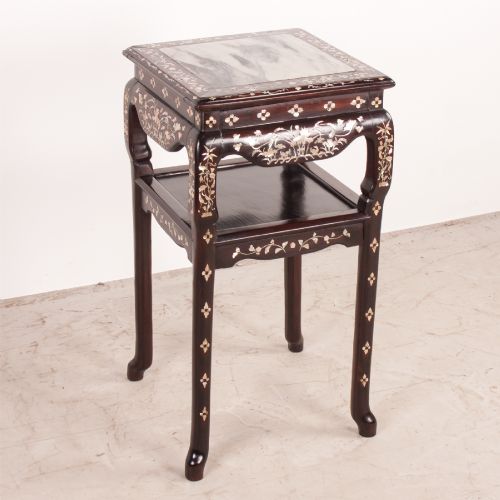
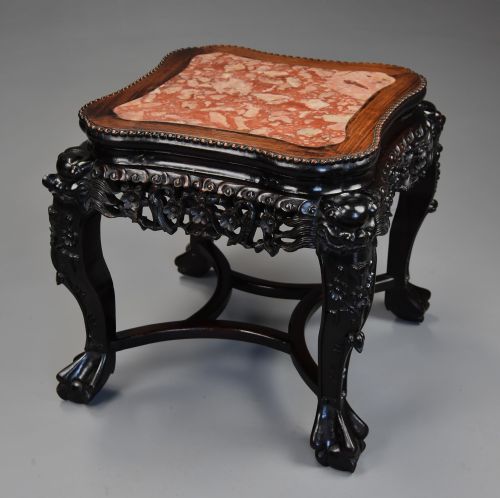
Many surfaces incorporate inset panels of variegated rouge marble, quartz, or mother-of-pearl inlay. These contrasting materials provided stable, cool surfaces for heavy porcelain bowls and bronze vessels.
Several stands were built specifically to host fishbowls, ensuring water-logged ceramic pots had a suitably regal home.
What varies in quality
Depth and crispness of the carving distinguish finer examples from simpler workshop production. Superior pieces exhibit undercut relief work where foliage and mythical creatures detach cleanly from the background timber.
The selection of the wood itself governs the stature of the object, with rich grain patterns and heavy, unblemished dense timber indicating superior fabrication. Integrated stone elements such as uncracked inset marble tops further elevate the execution.
The Qing Dynasty Carved Stand Glossary
- Jardiniere
- A large ceramic or metal pot for holding plants, which required sturdy low stands to support their heavy weight when filled.
- Hongmu
- A general Chinese term translating to red wood, used for dense, dark tropical hardwoods favoured in traditional furniture making.
- Archaistic
- A decorative style that mimics the ancient ritual bronzes and jades of earlier dynasties.
- Marble top
- An inset slab of stone fitted into the wooden frame of a table or stand to provide a durable display surface.
Qing Dynasty Carved Stand: Frequently Asked Questions
What were qing dynasty carved stands used for?
These furnishings served primarily to elevate ritual bronzes, porcelain vases, and potted plants within traditional interiors. Their sturdy construction supported heavy objects while adding an architectural layer to domestic displays.
Today, buyers utilise them as occasional tables, lamp stands, or pedestals for contemporary and antique sculpture alike.
How do I identify a qing dynasty carved stand?
Look for dense tropical hardwoods such as rosewood or padouk combined with deep, pierced relief carving depicting floral motifs or mythical beasts. Many examples feature inset marble tops or specialised circular frames designed for porcelain vessels.
Construction methods typically rely on traditional joinery without modern metal fasteners, reflecting nineteenth-century workshop practices.
How do I care for antique hardwood furniture?
Maintain stable indoor humidity levels to prevent the dense timbers and inset marble panels from shifting or cracking. Regular dusting with a soft cloth preserves the natural finish without requiring heavy polishes.
Avoid placing these items in direct sunlight or near direct heat sources to protect the aged wood and joinery.