


Qing Dynasty Carved Lamp
A qing dynasty carved lamp brings substantial timber and ceramic form into a room, offering warm illumination rooted in nineteenth-century craftsmanship.
Qing Dynasty Carved Lamp
When you search for a qing dynasty carved lamp, you encounter carved timber structures alongside converted porcelain vases from the nineteenth century.
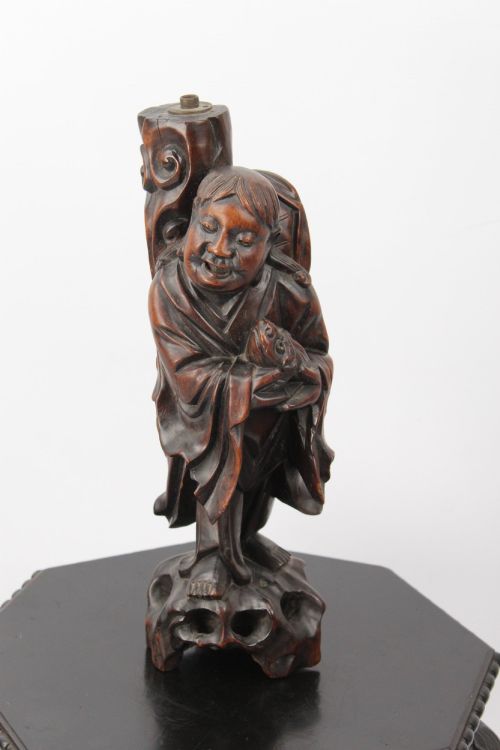
The objects appearing in this selection range from root wood and rosewood table lamps to celadon and famille rose vases adapted for electric lighting.
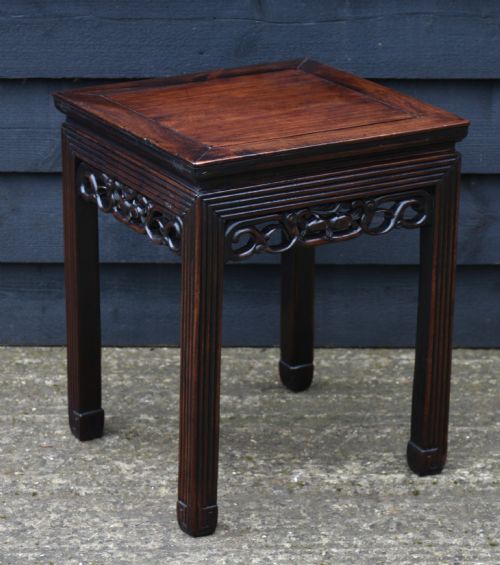
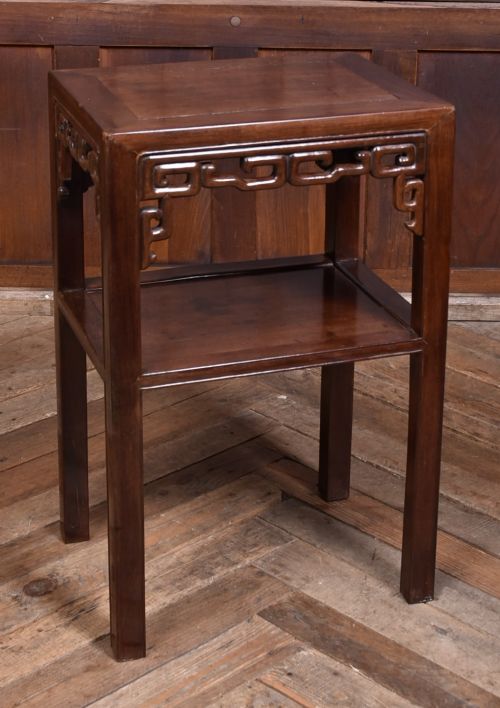
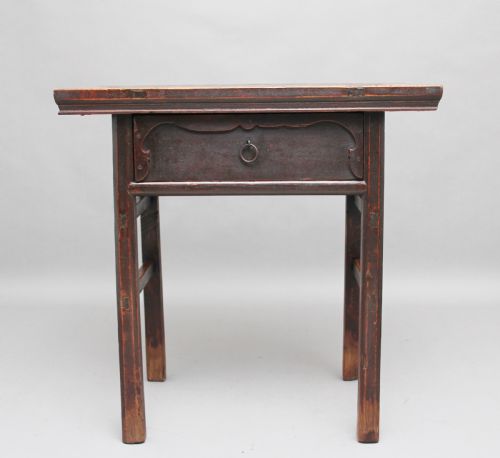
Lantern stands, jardiniere stands, and small occasional tables also populate the group, reflecting the versatile forms associated with this category.
What varies in quality
The depth and crispness of the carving distinguish finer pieces from simpler productions, particularly in root wood and hardwood figures or stands.
The selection of materials, such as heavy huali timber or high-grade marble inserts, dictates the overall solidity and presence of the object.
Materials span rosewood, elm, brass, marble, and fabric across various table forms.
The Qing Dynasty Carved Lamp Glossary
- Celadon
- A term for ceramics featuring a pale green jade-like glaze. This finish appears frequently on nineteenth-century vases.
- Huali
- A fragrant hardwood utilised in traditional Chinese furniture making. It displays a rich grain suitable for detailed carving.
- Famille Rose
- A palette of opaque enamels dominated by pink hues used in Chinese porcelain decoration. It decorates various vases found in this group.
- Root wood
- Timber formed from the root mass of a tree, chosen for gnarled natural shapes. Carvers adapt these organic contours into lamp bases and stands.
Qing Dynasty Carved Lamp: Frequently Asked Questions
Are these lamps converted vases?
Many items in this category are nineteenth-century porcelain vases, such as celadon or blue and white pieces, which have been adapted into lamps.
Other examples take the form of carved root wood or hardwood structures designed specifically to hold a light fitting.
What woods do these pieces use?
Carpenters and carvers utilised various Asian hardwoods, most notably rosewood, elm, and huali.
Root wood also appears frequently, providing organic texture and complex natural forms for lamp bodies.
How do I style a hardwood lamp?
These lamps integrate easily into both traditional and contemporary interiors, functioning well on side tables or desks.
Their dark timber tones and carved details complement neutral walls and textured fabrics.
What distinguishes nineteenth-century pieces?
Items from this era display traditional Qing styling, hand-carved details, and period materials like marble and heavy timber.
Makers relied on conventional joinery and hand-finished glazes characteristic of the period.