



Qing Blue and White
Qing blue and white pottery brings together crisp porcelain and cobalt pigment in vessels that anchor a room with centuries of artistry.
Qing Blue and White
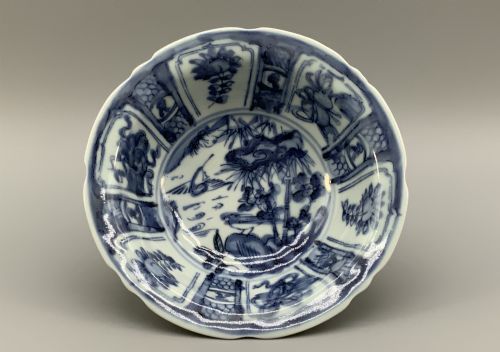
When you search for qing blue and white, you encounter items shaped from porcelain and decorated with cobalt glaze, cobalt underglaze, and cobalt pigment, often originating from the Qing Dynasty and related historical periods. The selection spans utilitarian vessels and decorative objects created for domestic use, imperial courts, and export markets across centuries.
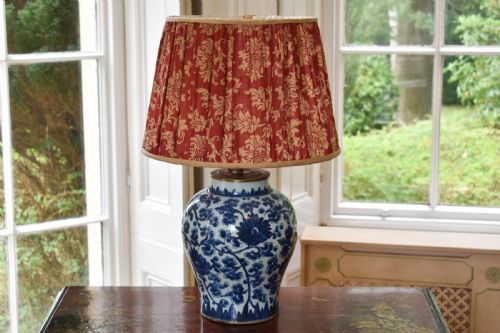
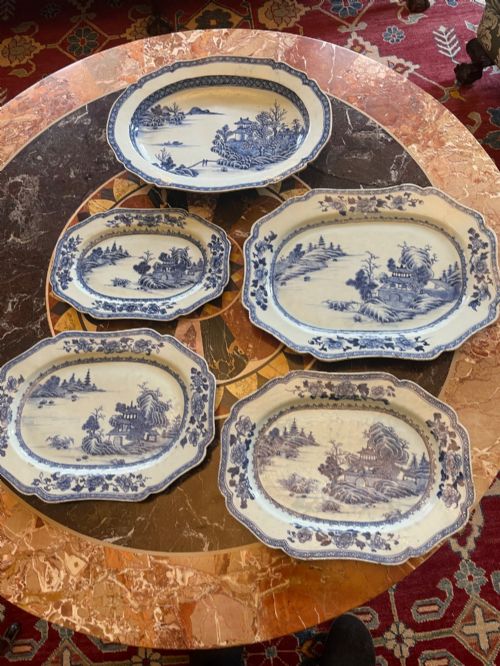
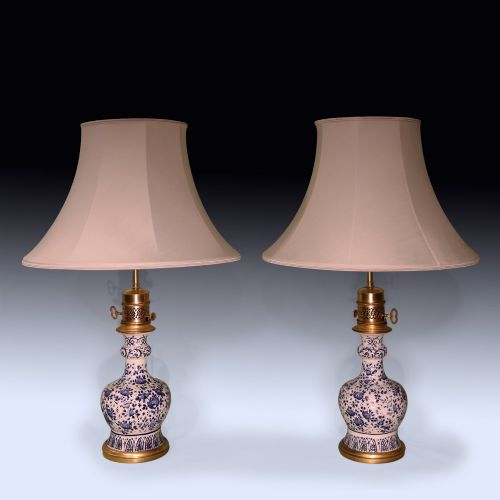
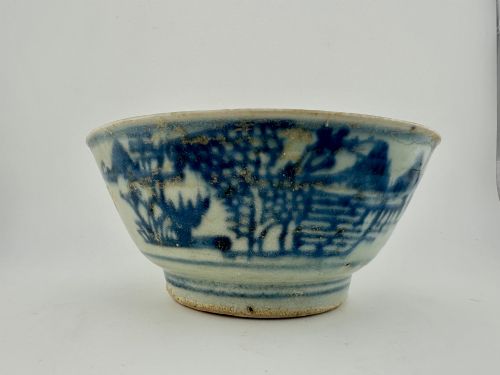
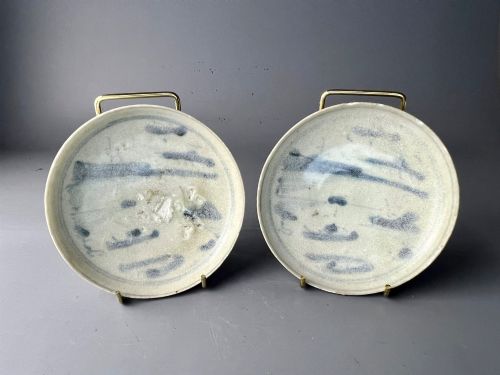
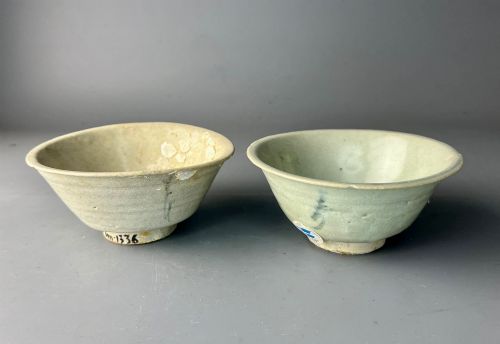
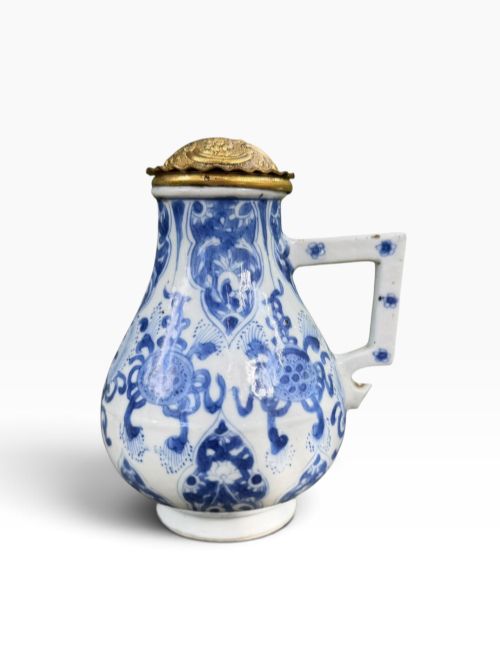
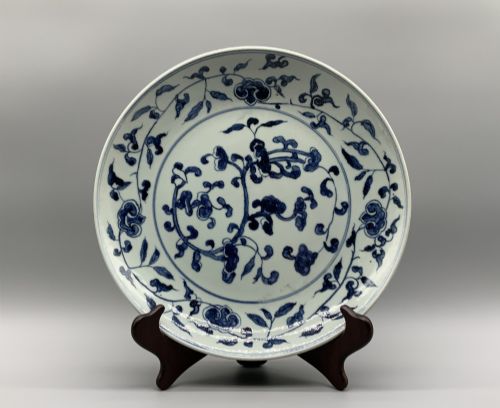
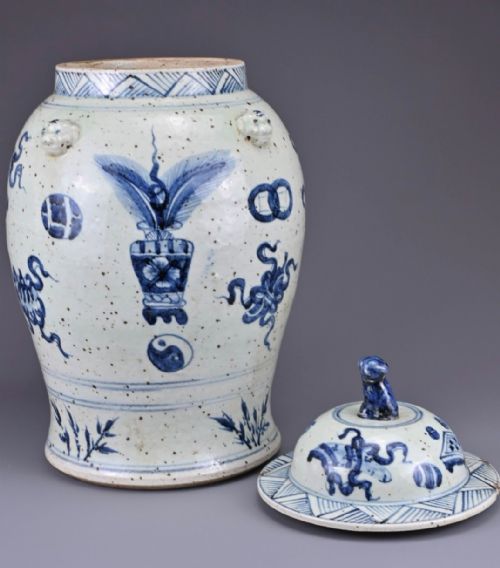
The most common forms you meet on this page are bowls, vases, and dishes, alongside jars, tea caddies, brush pots, and lamps mounted in brass or gilt metal. Pieces range from provincial porcelain items to imperial style chargers and shipwreck cargo recovery items with documented provenance.
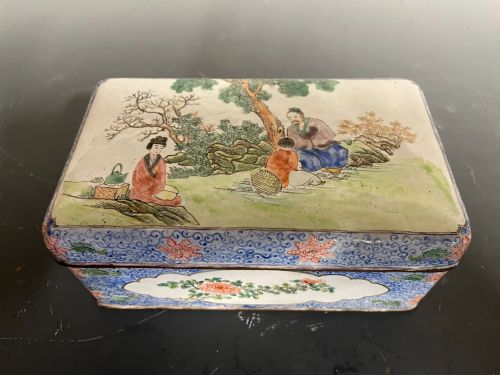
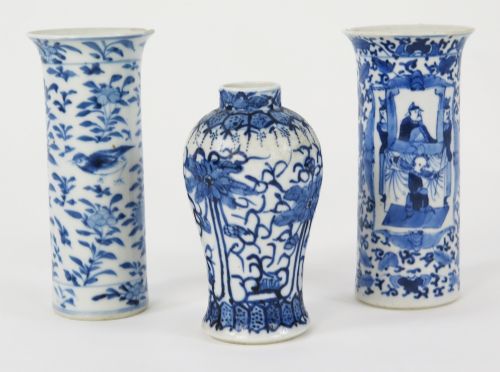
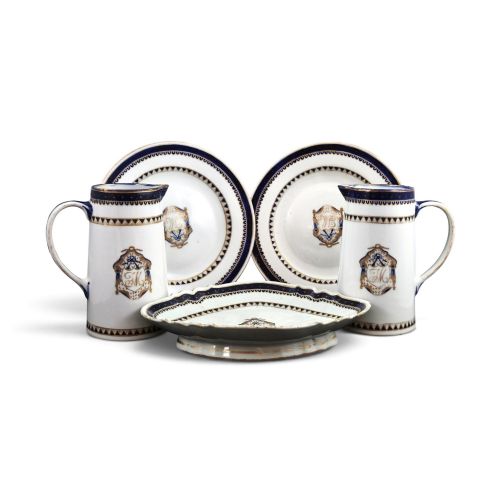
Makers utilised diverse aesthetic approaches, incorporating styles such as Chinese Export, Chinoiserie, Kangxi Period designs, and Chinese Imperial motifs. Forms incorporate figural ladies, five-clawed dragons, bats, clouds, and floral patterns executed in cobalt blue alongside occasional touches of enamel, gold leaf, and underglaze red.
How they were made
The foundation of these objects is porcelain, shaped into vessels like bottles, jars, and stem cups before receiving painted decoration in cobalt pigment. Artisans applied cobalt underglaze beneath a clear protective layer, which vitrified during high-temperature firing to yield the characteristic deep blue tones against a white body.
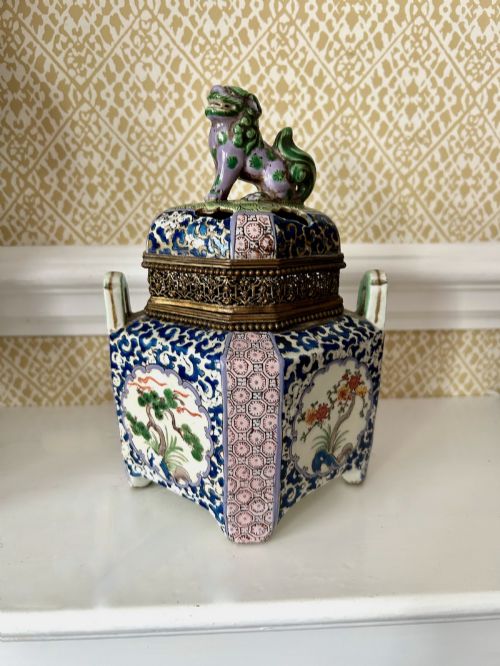
Some works incorporate supplementary materials including brass and gilt metal mountings added to pots and lamps, alongside enamel and copper-red highlights. Certain items feature celadon grounds or contrasting coloured glazes that complement the primary underglaze blue decoration.
Qing Blue and White Retail Price Guide 2026
Typical asking prices for qing blue and white among the pieces listed under this phrase on Sellingantiques today, from the lower quarter to the upper quarter. They describe what is for sale here now, not the wider market.
Listings feature porcelain forms spanning the seventeenth, eighteenth, and nineteenth centuries, alongside items from specific shipwreck cargos.
What varies in quality
The standard of painting separates ordinary production from exceptional output, seen in the control of the cobalt brushwork and the clarity of motifs like dragons, figures, and foliage. Precise linework and balanced composition indicate a higher degree of artisan skill during the manufacturing process.
The purity of the porcelain body and the smoothness of the glaze influence the overall presentation of each vessel. Finer examples display minimal surface impurities and a consistent, lustrous finish that enhances the depth of the underglaze blue pigment.
The Qing Blue and White Glossary
- Cobalt Underglaze
- A blue pigment applied to the unglazed porcelain body before the application of a clear glaze and subsequent firing at high temperatures.
- Kangxi Period
- An era spanning the late seventeenth and early eighteenth centuries noted for technical excellence and distinctive blue and white porcelain production.
- Charger
- A large ceremonial or decorative plate utilised for serving food or display on tables and walls.
- Bitong
- A cylindrical scholar's brush pot designed to hold writing brushes on a scholar's desk.
- Cargo
- Items recovered from historical shipwreck sites, often retaining physical evidence of marine submersion alongside archival documentation.
Qing Blue and White: Frequently Asked Questions
How do I identify a Kangxi period piece?
Examination of the cobalt tone, the crispness of the underglaze painting, and specific stylistic motifs helps indicate a Kangxi origin. Many pieces also feature Kangxi marks on the base, though mark styles require careful comparison with authenticated examples.
Pottery from this period typically exhibits vibrant cobalt hues ranging from soft washes to deep sapphire, applied to fine-grained white porcelain.
What is Chinese export porcelain?
Chinese export porcelain refers to wares manufactured in China specifically for overseas markets in Europe and the Americas. These items often combined traditional Chinese forms and motifs with Western shapes or commissioned heraldic designs.
Such pieces document the extensive trade networks operating between Asian kilns and foreign buyers during the Qing dynasty and earlier periods.
How were blue and white vessels used?
These vessels served diverse practical and decorative functions within households, scholarly settings, and imperial courts. Bowls, dishes, and punch bowls were utilised for dining and hospitality, while brush pots and wash vessels belonged to the scholar's studio.
Larger jars, vases, and jardinieres functioned primarily as interior decoration, showcasing wealth and refined taste through their artistic motifs.
What do dragon motifs signify?
Five-clawed dragons depicted on imperial style porcelain historically symbolised the Emperor and imperial authority. These powerful creatures appear amidst clouds, waves, and floral elements on chargers, vases, and large bowls.
Their presence usually denotes items associated with high-status patronage or production intended for court use.