


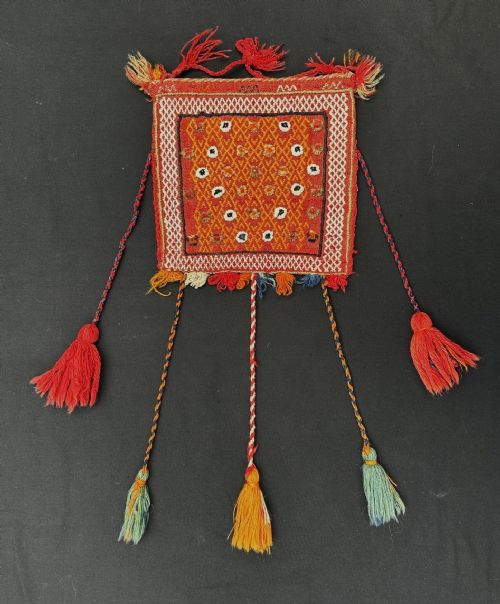


Qashqai Tribal Weave
When you search for qashqai tribal weave, you enter the distinctive nomadic textile tradition of South-West Persia.
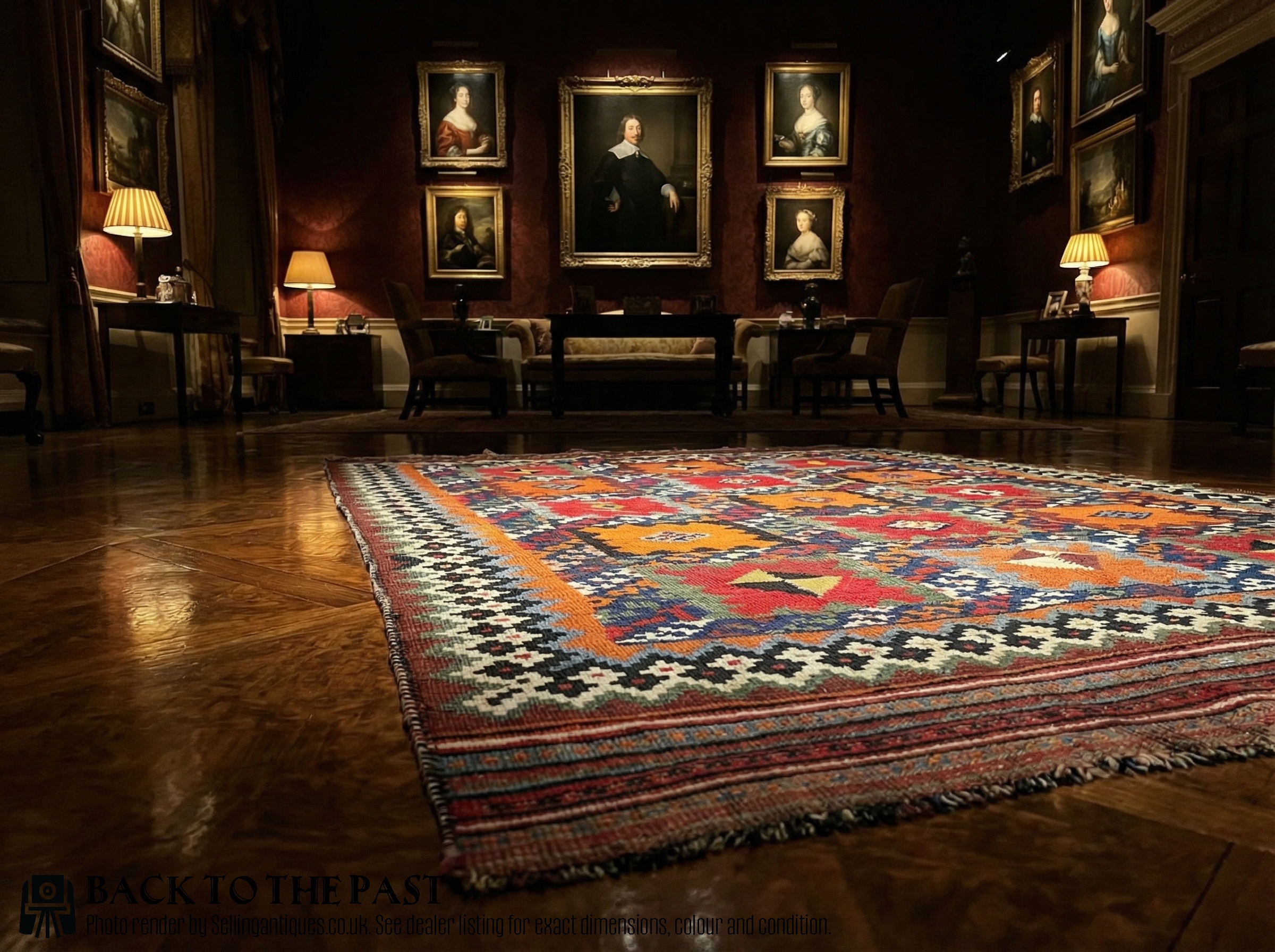
Qashqai Tribal Weave
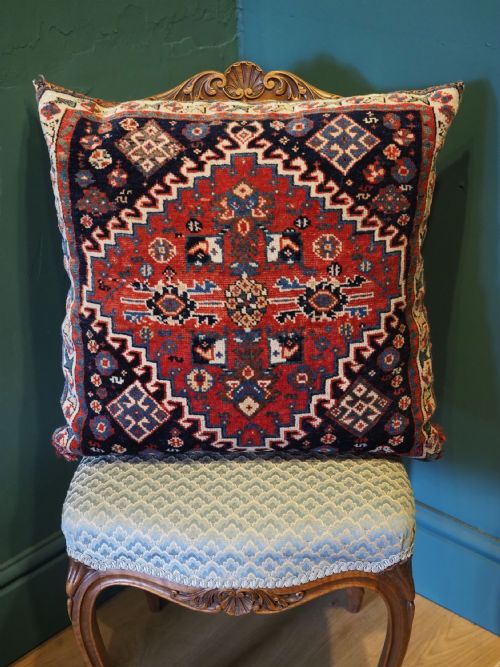
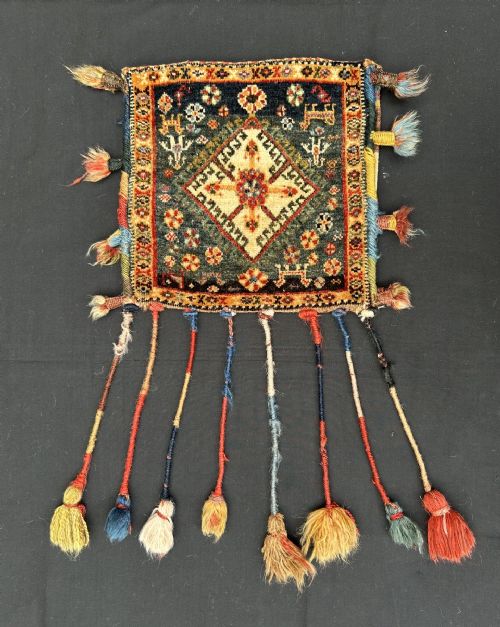
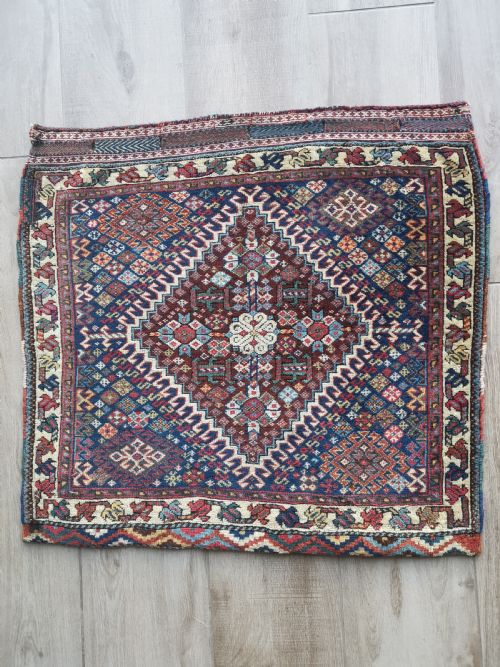
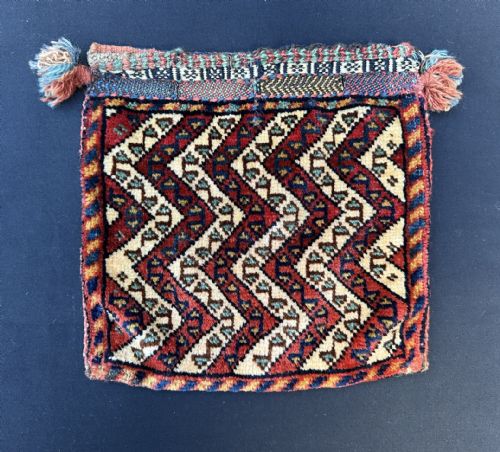
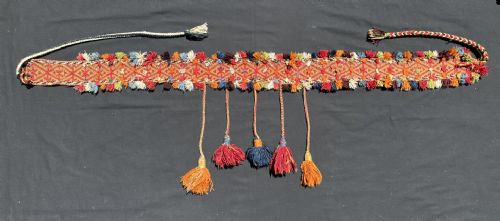
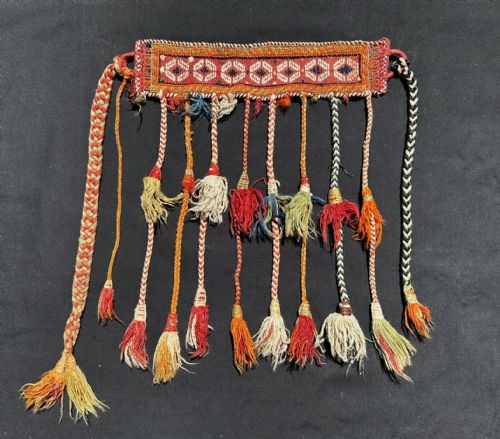
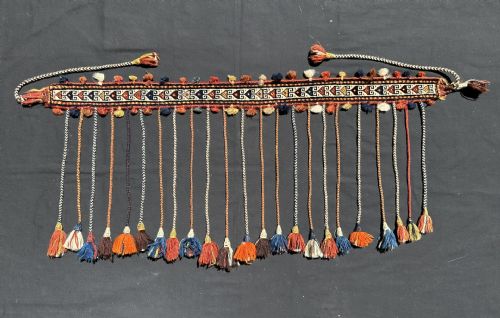
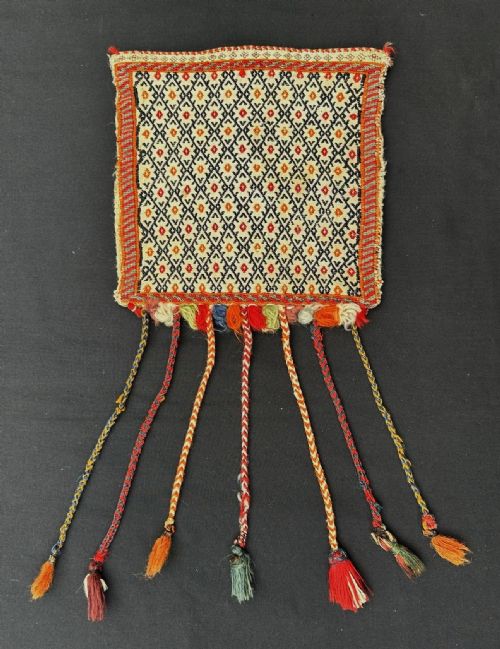
The qashqai tribal weave category encompasses floor coverings and utilitarian nomadic items originating from the Fars Province and the Qashqa'i confederacy. Buyers frequently encounter smaller functional formats such as vanity bags, saddlebags, animal trappings, and cushion faces alongside larger floor rugs.
Production spans from the nineteenth century into the early decades of the twentieth century, with examples carrying dates from the 1880s onward. Tribal subgroups like the Kashkuli, Darrehshuri, and Shekarlu frequently appear as specific attributions on these items.
The broader stylistic grouping includes related Persian tribal work, Luri pieces, and Khamseh material from the same geographical region. Traditional motifs include central medallions, animal figures, and geometric patterns executed in diverse formats from kilims to piled carpets.
How they were made
Weavers utilised hand-spun wool for the pile and structure, often combined with cotton foundations and natural dyes to achieve the characteristic palette. Leather and wood elements occasionally appear on functional objects like horse decorations and baby cradles.
Construction techniques range from flat-woven kilims and plain weaves to dense pile knots and double-faced saddlebags. Textile workers constructed animal trappings, bag faces, and blankets to withstand nomadic daily utility while maintaining intricate geometric and figurative designs.
Recorded periods span from the nineteenth-century 1880s through the 1930s, utilising hand-spun wool, cotton, leather, wood, and natural dyes.
What varies in quality
Knot density and structural tightness dictate the fineness of the weave, separating robust utilitarian containers from exceptionally delicate ceremonial items. The precision of the geometric layout and the clarity of the central medallion design heavily influence the overall aesthetic standard.
The vibrancy and condition of the natural dyes affect the visual impact of the piece across different tribal subgroups. Intact original backs on saddlebags and well-preserved borders contribute significantly to the standing of an individual textile.
Bolvardi Sub-Tribe·Kashkuli Tayefeh·Darrehshuri Tayefeh·Shekarlu Tayefeh·Ard Kapan Taifeh
The Qashqai Tribal Weave Glossary
- Bagface
- The decorative front portion of a nomadic storage sack, usually preserved as an independent textile after the plain weave back deteriorated.
- Kilim
- A flat-woven textile lacking a pile, produced using interlocked weft techniques across Persian tribal regions.
- Tayefeh
- A specific sub-tribe or clan within the larger nomadic Qashqa'i confederacy of South-West Persia.
- Medallion
- A central ornamental motif positioned symmetrically in the field of a rug or carpet.
- Gabbeh
- A type of tribal rug characterised by a thicker pile, higher-cut wool, and sparser, more minimalist geometric designs.
Qashqai Tribal Weave: Frequently Asked Questions
What is a qashqai tribal weave?
These items are authentic nomadic textiles originating from the Qashqa'i confederacy and associated tribes of the Fars Province in South-West Persia. They include practical animal trappings, storage bags, kilims, and floor rugs produced across the nineteenth and early twentieth centuries.
Nomadic weavers created them using hand-spun wool, cotton, and natural dyes to serve daily functional needs during seasonal migrations. Their distinctive patterns incorporate geometric medallions, animal figures, and traditional tribal motifs.
How were saddlebags used originally?
Nomadic families utilised these double-sided bags to transport personal possessions, household goods, and provisions across rugged terrain during tribal migrations. Pack animals carried the loaded containers suspended across their backs.
Over time, many of these functional containers separated into individual bag faces as the plain weave backs wore down from constant friction. Collectors now preserve these surviving panels as decorative wall hangings or small display rugs.
How do I care for an antique rug?
Protect the wool and natural dyes by placing the textile in low-traffic areas away from direct, harsh sunlight. Gentle vacuuming without a rotating power brush helps remove embedded dust without stressing the historic weave.
Allow professional textile conservators to handle any deep cleaning or structural repairs rather than attempting home washing. Proper rug underlays prevent slipping and reduce physical friction against hard flooring.
How can I tell the sub-tribe?
Attributions often rely on specific structural traits, colour palettes, and distinct drawing styles associated with groups like the Kashkuli, Darrehshuri, or Shekarlu. Written records and dealer attributions link particular design markers to these regional Fars Province clans.
Comparing knot counts, wool characteristics, and secondary border motifs helps differentiate between related Luri, Khamseh, and Qashqai productions from the same geographical area.