




Provincial Oak Seat
A provincial oak seat brings honest rural craftsmanship and sturdy utility into a modern interior.
Provincial Oak Seat
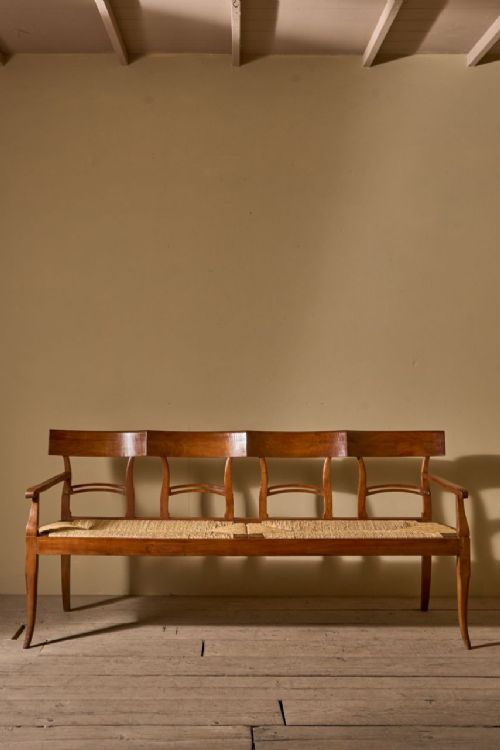
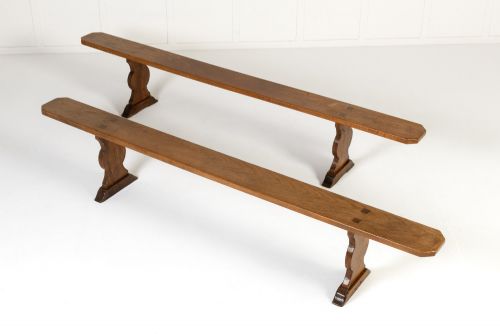
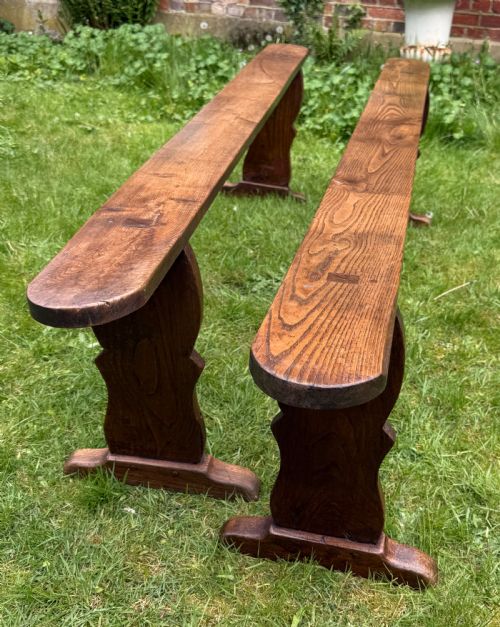
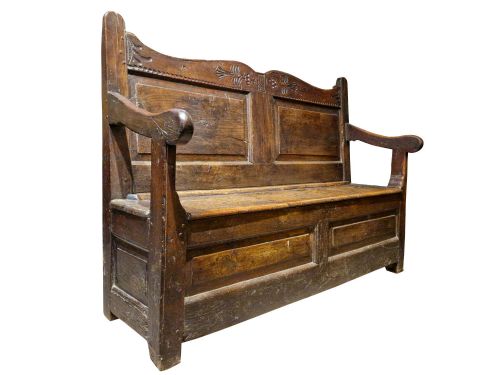
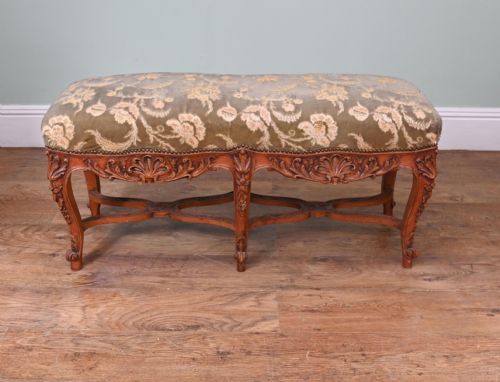
A provincial oak seat encompasses utilitarian dining chairs, armchairs, benches, settles and stools rooted in rural traditions. These pieces reflect regional vernacular designs from English and French country workshops rather than formal metropolitan cabinet making.
Buyers looking at this selection most frequently encounter nineteenth century and eighteenth century examples constructed for domestic utility. Common forms range from ladder back dining sets to heavy panelled hall benches and box seated settles.
Origins stretch across English shires, Welsh valleys and French provinces including Normandy and Brittany. The domestic focus remains simple timber construction intended for daily use in kitchens, halls and country houses.
Materials and Construction
Makers relied primarily on solid oak supplemented by regional native timbers like elm, beech, cherrywood and pine. These domestic hardwoods provided the structural strength required for heavy daily service.
Traditional seating surfaces combined timber boards with woven rush or upholstered pads covered in fabric, velvet and cane. Joinery typically utilised pegged mortise and tenon joints to withstand decades of regular loading.
One surviving eighteenth century oak bench carries the provenance of Bishopthorpe Palace in York.
Qualities of Construction and Age
Superior examples display crisp hand carving, well proportioned turnings and tight historical joints that remain solid without modern intervention. The depth of patination on the timber surfaces reveals decades of natural handling and polishing.
Lower tiers often show heavy structural timber replacement, unsympathetic repairs or excessive surface stripping that removes the historical character. Consistency across a matched set of dining chairs significantly elevates the overall standard.
The Provincial Oak Seat Glossary
- Joint stool
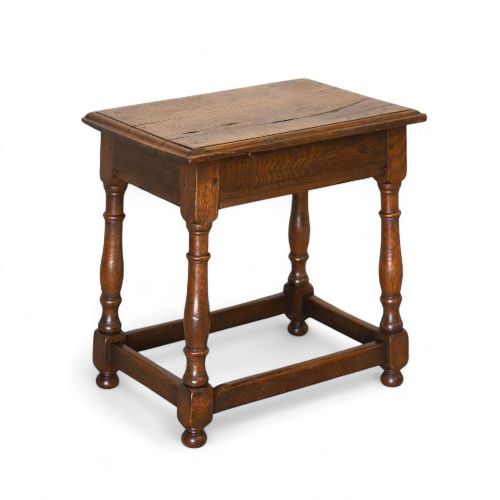
- A low wooden stool built with pegged mortise and tenon joinery rather than turned legs inserted into a seat. These sturdy pieces served multiple household functions in early domestic interiors.
- Smokers bow
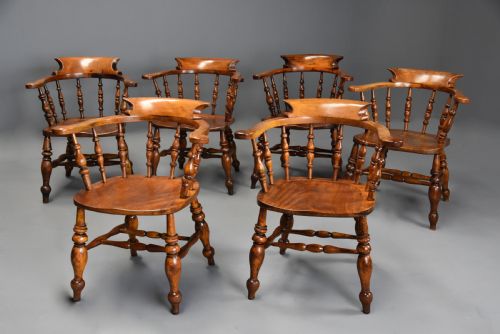
- A nineteenth century low backed Windsor armchair with a curved continuous top rail and spindles. Originating in public houses and farmhouses, it provided comfortable seating around hearths.
- Settle
- A high backed wooden bench featuring solid panel sides and often a box compartment beneath the seat. This form protected occupants from household draughts.
- Rush seat
- A seating surface woven from dried marsh rushes around a wooden frame. Traditional country chair makers utilised this flexible material for kitchen and dining chairs.
- Bergere chair
- An upholstered armchair with an enclosed wooden frame where the sides and back are frequently caned. French provincial variants combined formal styling with sturdy regional oak framing.
Provincial Oak Seat: Frequently Asked Questions
How do I date a provincial oak seat?
Dating relies on observing tool marks, timber shrinkage, construction methods and stylistic hints inherited from periods like Georgian or Louis XV. Hand sawn boards and pegged joints usually point towards eighteenth or nineteenth century origins.
Later nineteenth and twentieth century pieces often incorporate standardised machine cuts or different secondary woods beneath the seat. Comparing the wear patterns around the feet and rungs with the expected age helps confirm the timeline.
Were these seats used in formal rooms?
Most provincial oak seats were built for practical domestic spaces such as farm kitchens, hallways, and country house dining rooms. They prioritized robust daily utility over the delicate decorative standards found in urban reception rooms.
Over time, changing interior tastes brought these rustic forms into contemporary living spaces where their textural warmth creates a grounded focal point.
How should I maintain rush and cane seats?
Rush and cane require gentle cleaning with a slightly damp cloth to remove dust without soaking the natural fibres. Keeping the room at a moderate humidity prevents the dried material from becoming brittle.
Avoid placing these seats near direct heat sources or strong sunlight which can dry out the rush and weaken the structural weave over the years.
What is the difference between English and French provincial styles?
English country seating often displays restrained joinery, simple spindle backs and sturdy elm or oak construction influenced by regional traditions like Windsor or ladder back designs. French provincial examples frequently incorporate carved cabriole legs, shaped aprons and ladder backs influenced by Louis XV aesthetics.
Both traditions utilised local hardwoods and rush seating, but French workshops leaned towards more decorative surface carving while English makers emphasised utilitarian strength.