


Rustic Oak Form
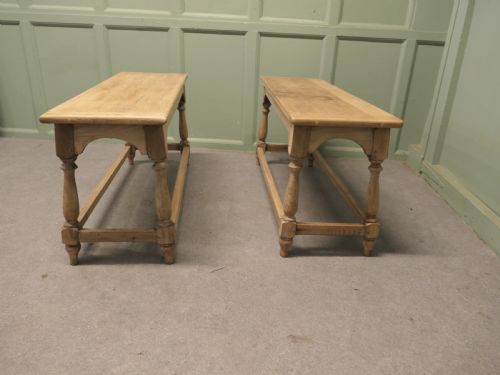
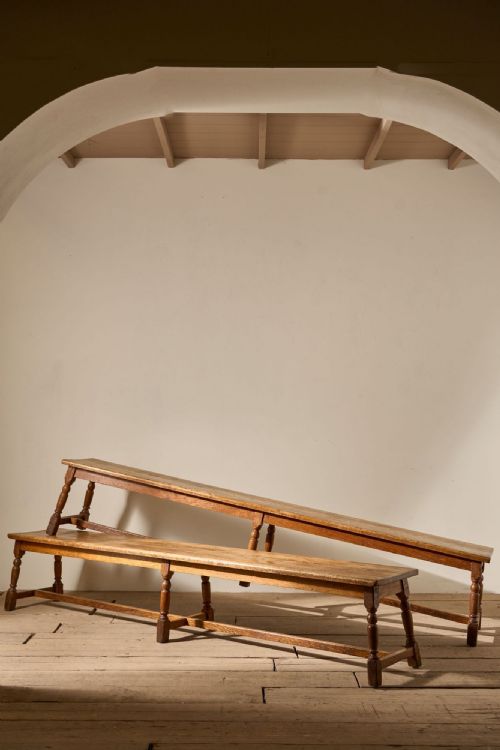
A rustic oak form offers honest, utilitarian seating shaped by centuries of domestic and provincial life.
Rustic Oak Form
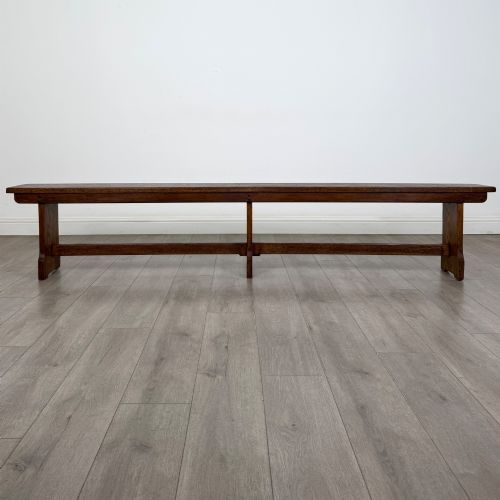
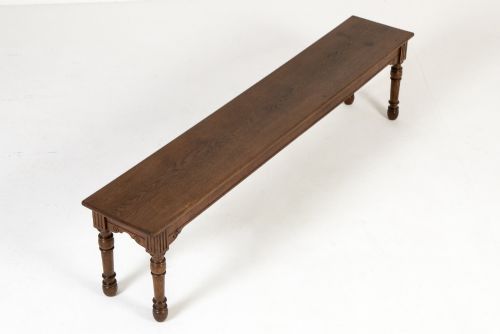
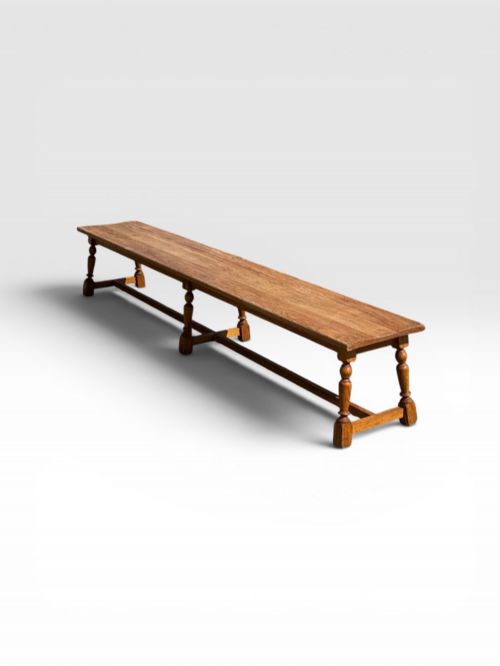
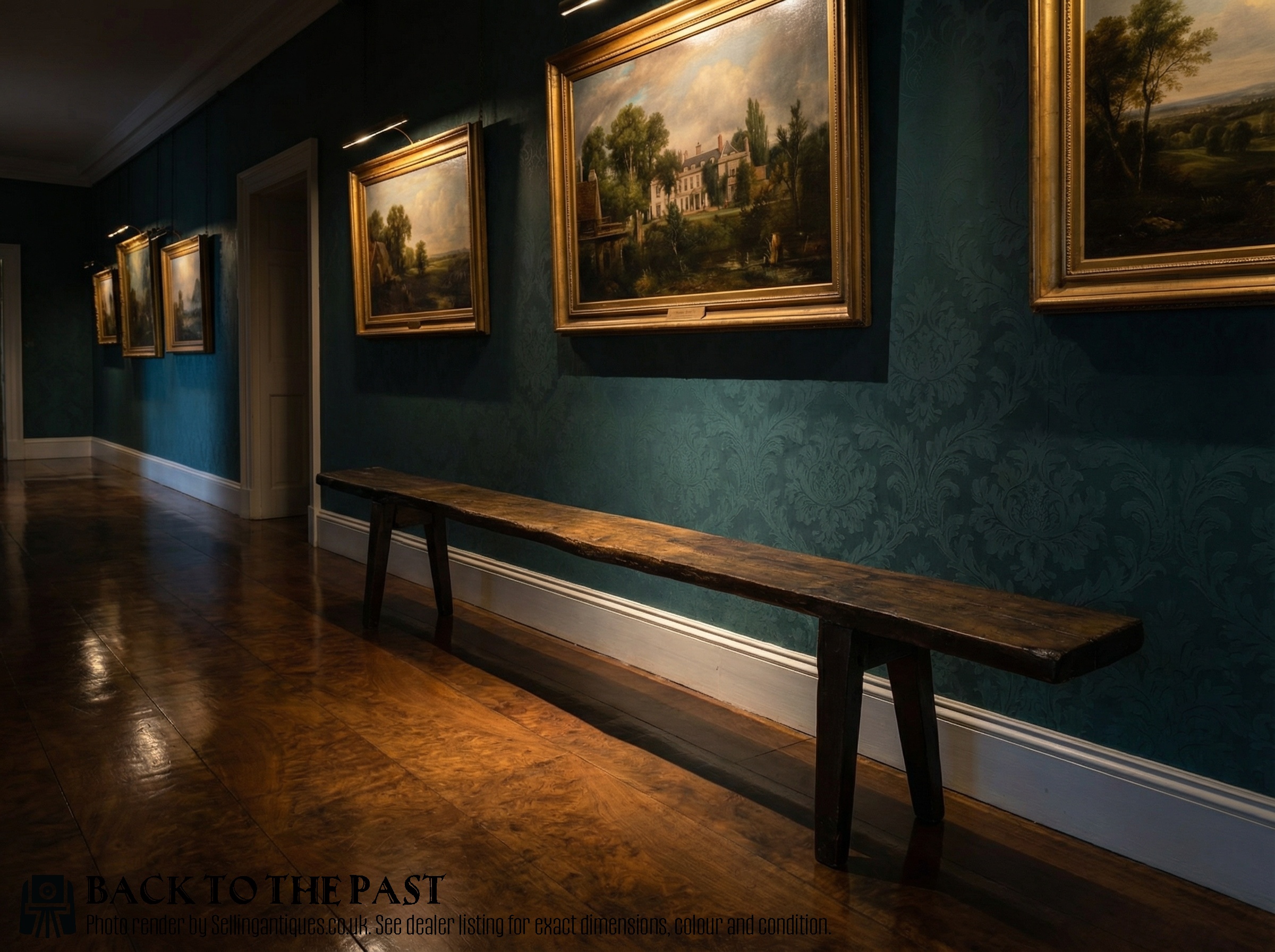
A rustic oak form provides simple, long seating historically used in halls, taverns, and farmhouses. When you search for a rustic oak form, you encounter low benches and long seats built for practical utility rather than formal display.
The selections span from the seventeenth century through the Victorian and Edwardian eras, encompassing both plain country pieces and structured forms. Many examples reflect Georgian and rustic farmhouse traditions, prioritising sturdy timber over ornamentation.
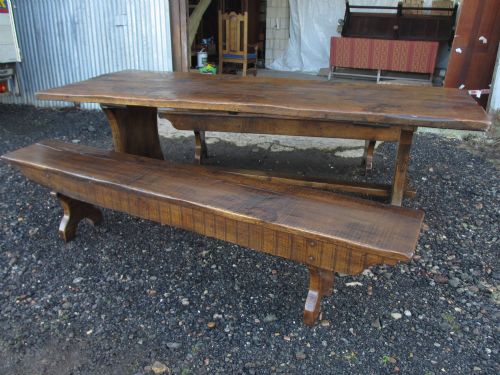
Most pieces on offer take the shape of long dining benches, hall seats, and paired joint benches designed to sit alongside heavy tables. Shorter stools and garden seats also appear, sharing the same honest timber construction.
Materials and construction
Construction relies heavily on solid oak, frequently accompanied by secondary woods and occasional iron bracing for structural support. Carpenters utilised durable hardwood to withstand daily domestic labour and heavy communal use.
Surfaces display various finishes, ranging from natural waxed timber and bleached oak to painted wood and carved details. Joinery techniques such as trestle ends and boarded construction ensure the stability characteristic of these long forms.
Materials across the selection include bleached oak, natural hardwood, and painted wood, alongside iron hardware.
Assessing quality and character
Quality rests in the integrity of the timber and the honesty of the wear accumulated over generations of use. Mellow colour and patination separate superior country pieces from later reproductions.
Proportion and scale dictate the desirability of a form, particularly in longer examples intended for dining use. Original joints and untouched surfaces command greater respect among collectors than heavily restored timbers.
The Rustic Oak Form Glossary
- Form
- An early term for a long seat or bench without a back. These pieces provided flexible seating in halls and around dining tables before chairs became universal.
- Joint bench
- A stool or low bench constructed with mortise and tenon joints held together by wooden pegs. This method ensures exceptional rigidity.
- Refectory table
- A large dining table traditionally used in monasteries and large houses, frequently paired with long matching benches.
- Trestle
- A support structure consisting of a horizontal beam fixed to two splayed legs. This design offers robust support for long forms and tables.
- Patina
- The deep surface sheen and colour developed by wood over decades of handling, polishing, and environmental exposure.
Rustic Oak Form: Frequently Asked Questions
What is a rustic oak form?
A rustic oak form is a traditional backless bench built from solid oak for everyday utility.
These pieces served communities in farmhouses, halls, and taverns where durable, communal seating was required.
How do I date an oak form?
Dating relies on examining the tool marks, construction methods, and timber patination visible across the piece.
Earlier examples from the seventeenth and eighteenth centuries show hand-riven timber and pegged joinery, whereas nineteenth and twentieth-century pieces display more uniform machining.
Can I use these benches for daily dining?
These forms suit modern dining arrangements well, offering practical seating alongside refectory and farmhouse tables.
Their robust hardwood construction easily accommodates regular daily use while introducing historical character to a room.
What distinguishes a joint bench?
Joint benches utilise strict pegged framing rather than simple nailed or screwed construction.
This traditional joinery method provides the structural strength necessary for centuries of heavy domestic service.