
Farmhouse Oak Seating
Farmhouse oak seating brings together sturdy tables, benches, and chairs designed for daily country living.
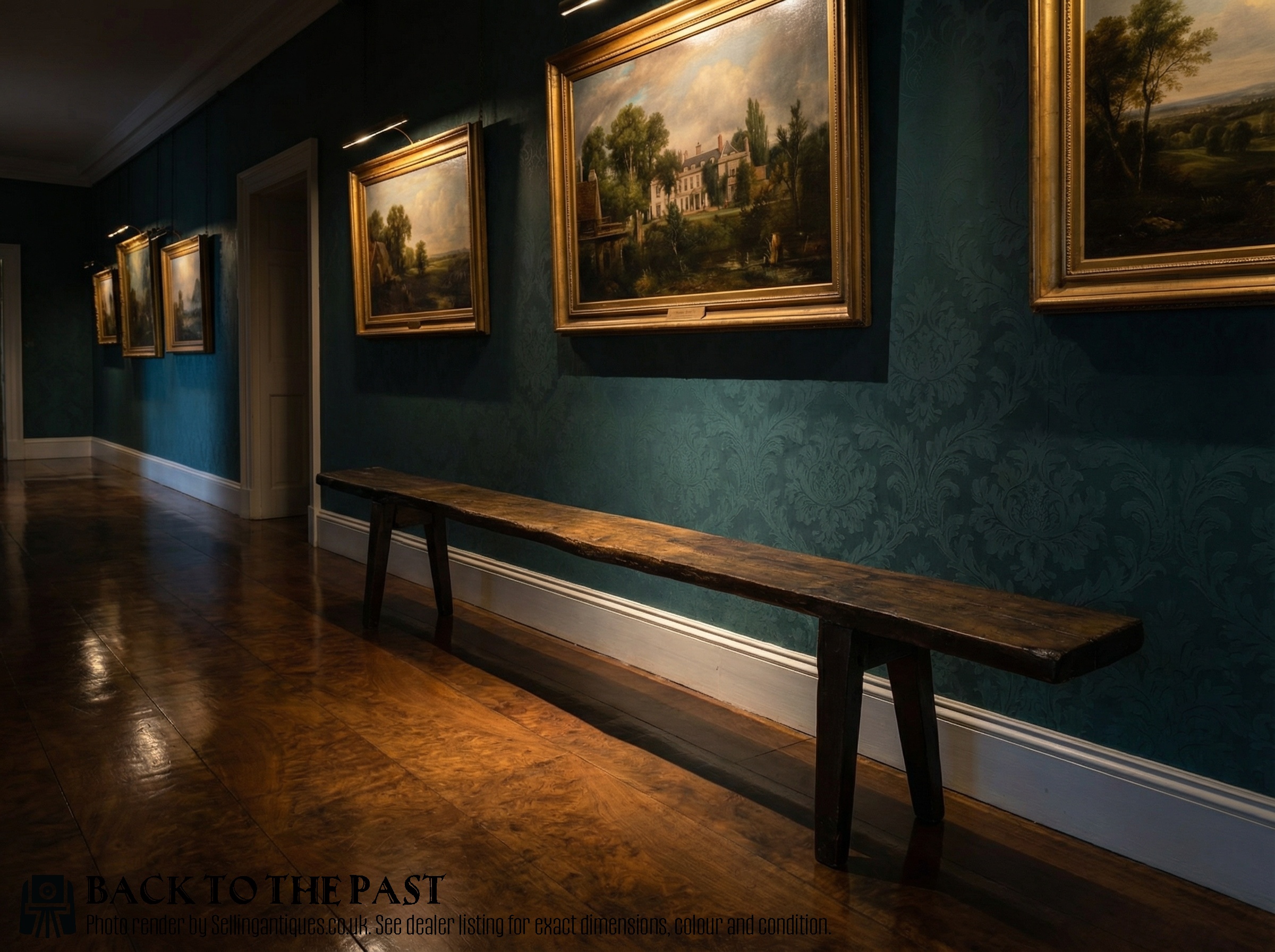
Farmhouse Oak Seating
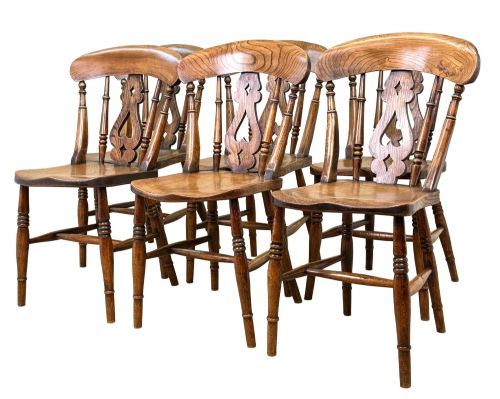
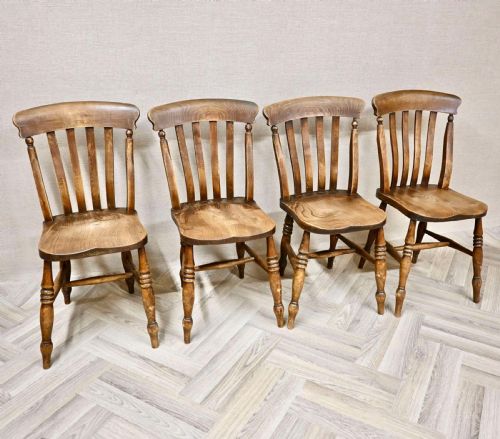
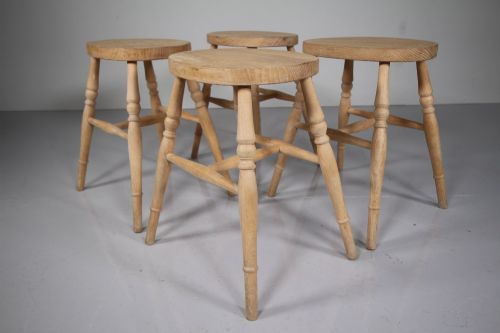
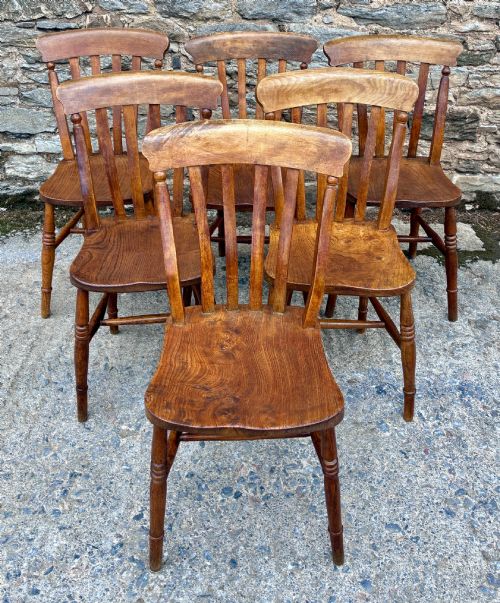
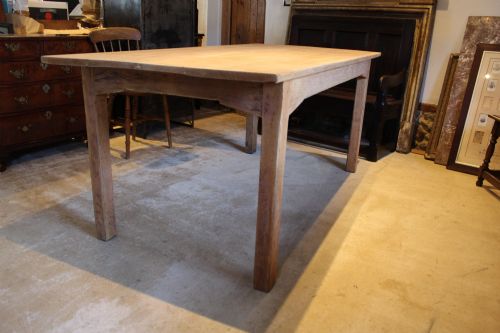
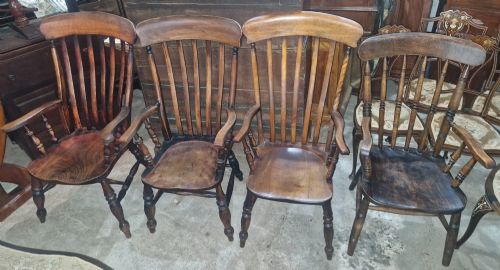
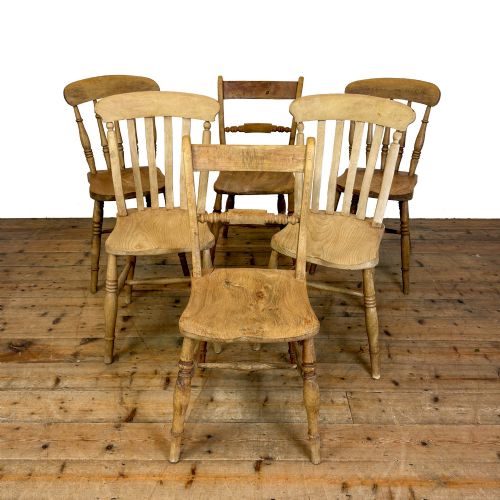
Farmhouse oak seating comprises functional furniture designed for daily country living, spanning dining chairs, benches, stools, and refectory tables. When searching for farmhouse oak seating, buyers frequently encounter matched or harlequin sets of dining chairs alongside long refectory tables.
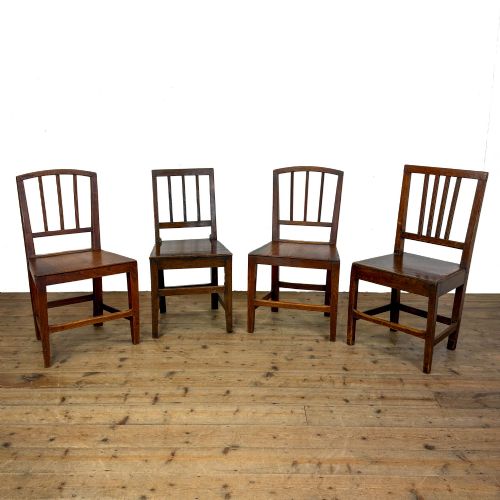
The pieces on this page originate from periods including the Georgian era, the Victorian period, and the early twentieth century. Common regional styles include English country vernacular and rustic farmhouse traditions.
Materials and construction methods
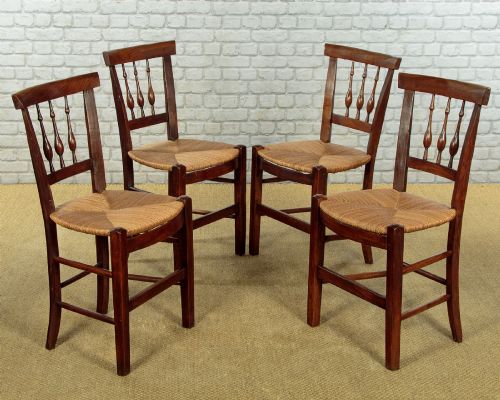
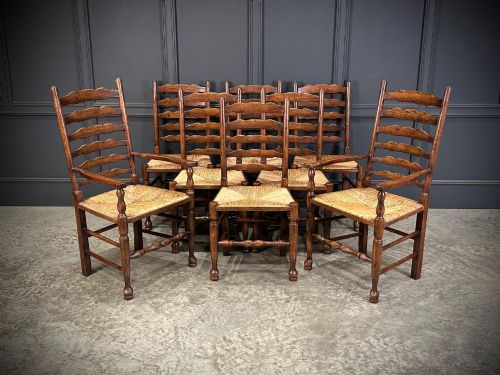
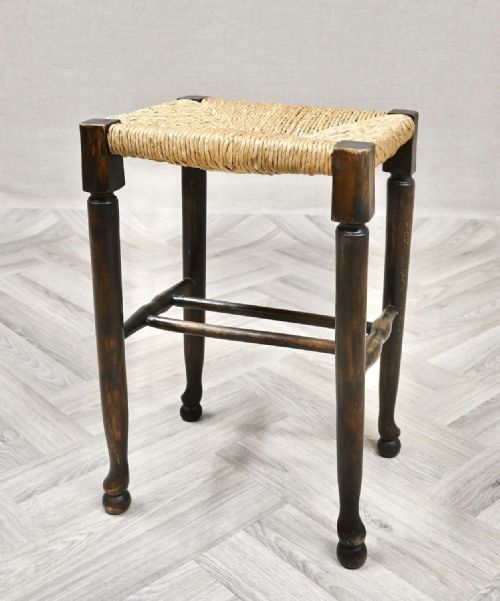
Makers utilised solid oak for framing and structural elements, frequently combining it with elm, beech, and ash for seats and spindle components. Rush seating materials appear frequently on ladder back chairs and stools.
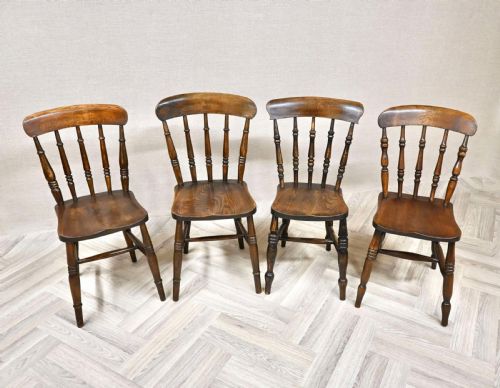
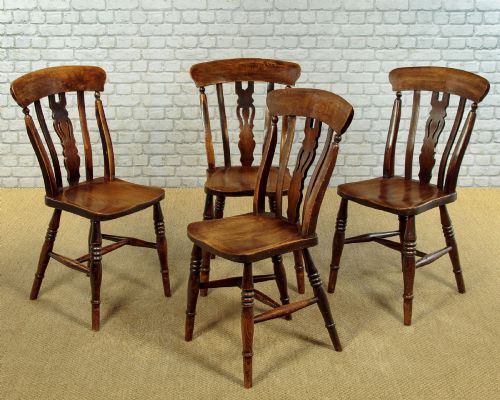
Construction techniques rely on traditional joinery methods, including Windsor framing with turned spindles and pegged mortise and tenon joints on refectory tables and benches.
Factors that differentiate quality
Quality varies according to the integrity of the timber and the retention of original surface patination. Examples fashioned entirely from dense hardwood demonstrate superior longevity compared to pieces with replaced structural components.
Sets that remain complete and matched over generations hold distinct characteristics compared to harlequin gatherings assembled later. The crispness of turnings on Windsor chairs and ladder backs indicates the skill of the original maker.
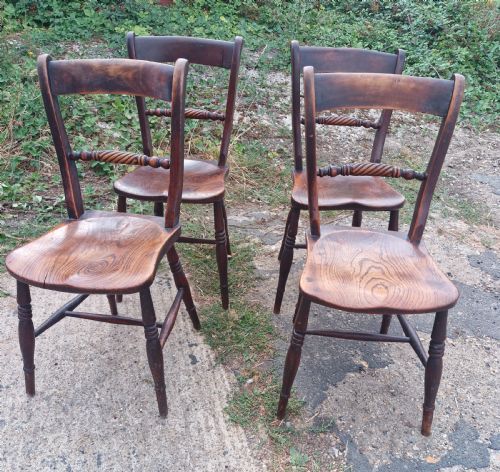
Worksop Allsop
The Farmhouse Oak Seating Glossary
- Windsor chair
- A wooden chair built with a heavy solid seat into which the legs and back spindles are direct-tenoned. They often feature curved backrests and shaped seats.
- Refectory table
- A long dining table traditionally used in communal halls and farmhouses. These pieces stand on sturdy legs often joined by stretchers.
- Ladder back
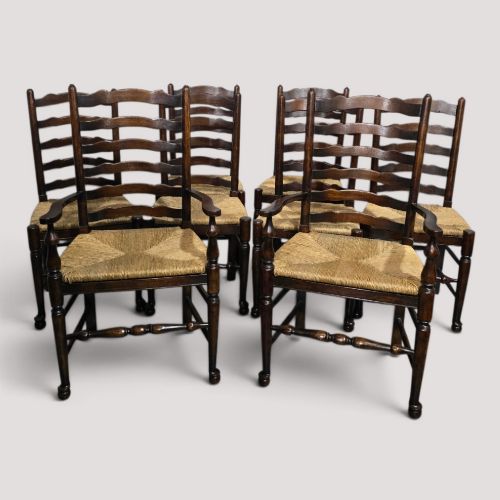
- A chair style featuring horizontal slats or bars between the vertical back posts. The rungs resemble the steps of a ladder.
- Harlequin set
- A collection of chairs that are similar in style and period but do not originate from a single matched workshop production.
- Rush seat
- A seating surface woven from dried marsh grasses twisted into cords. This technique provides a resilient and slightly flexible seat.
Farmhouse Oak Seating: Frequently Asked Questions
What is a harlequin set of chairs?
A harlequin set is a group of dining chairs that share a common style, period, and general appearance, but were originally made as individual items or smaller groupings.
Collectors gather these pieces together to create a matching dining set of four, six, or eight chairs around a farmhouse table.
How do I identify a Windsor chair?
A Windsor chair is built around a thick wooden seat that acts as the central anchor for the entire construction. The legs and back spindles fit directly into drilled holes in the seat slab.
This method creates a strong, rigid frame without requiring traditional box underframes on every model.
What timber is used in these items?
Oak forms the primary structural material for tables, benches, and chair frames. Cabinetmakers often paired oak with complementary timbers like elm, ash, and beech for seats and spindles.
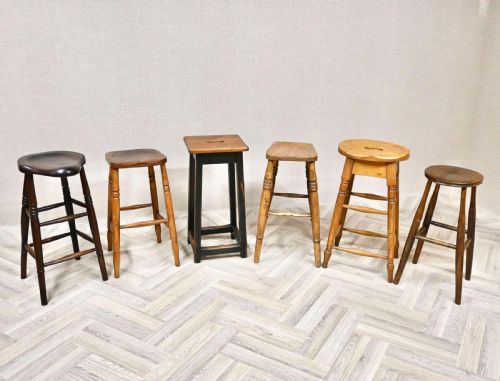
Rush plants provide the woven material for traditional seating pads found on ladder back chairs and tall stools.
How should I care for rush seats?
Rush seating requires dry indoor conditions to maintain the natural strength of the woven marsh grass fibres. Exposure to excessive moisture weakens the twisted cords over time.
Routine dusting and avoiding direct sources of heat help preserve the material without needing liquid treatments.