
Provincial Oak Dresser
When you handle a provincial oak dresser, you touch the honest grain and heavy timber of centuries past, built for daily utility.
Provincial Oak Dresser
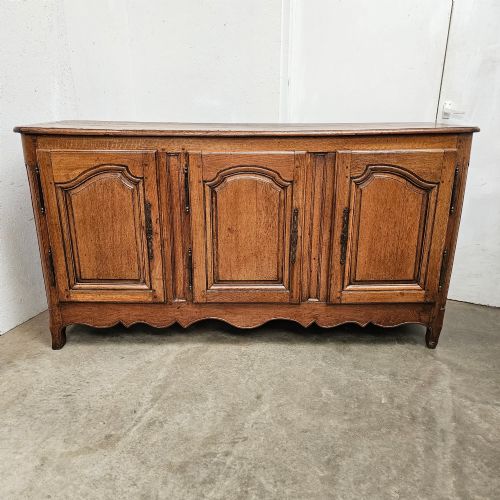
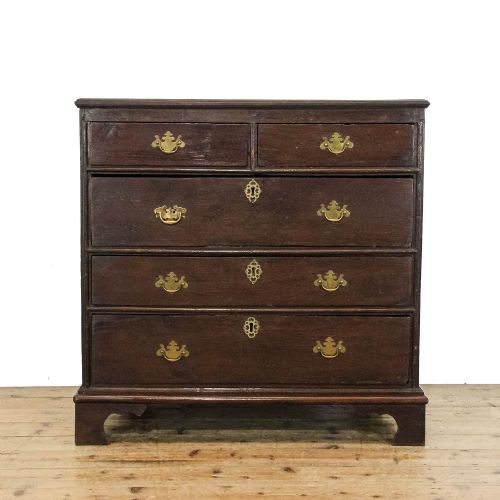
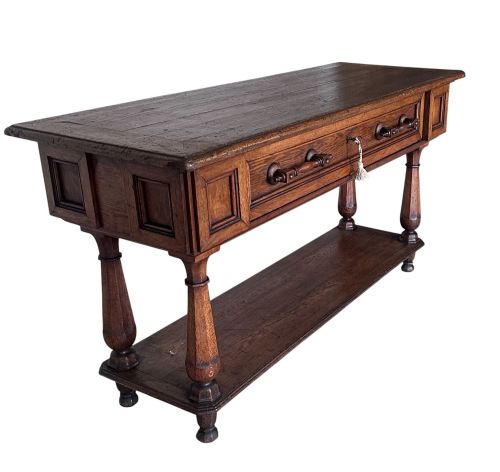
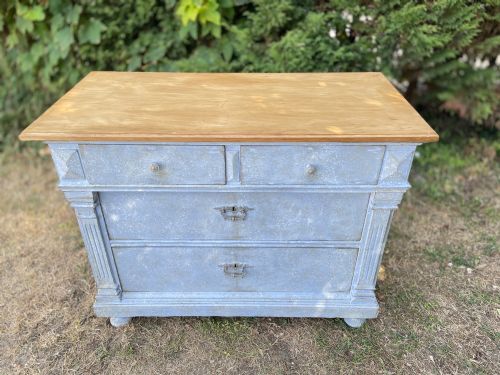
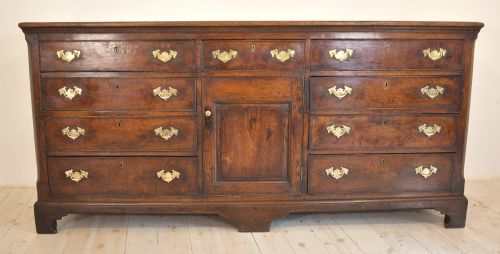
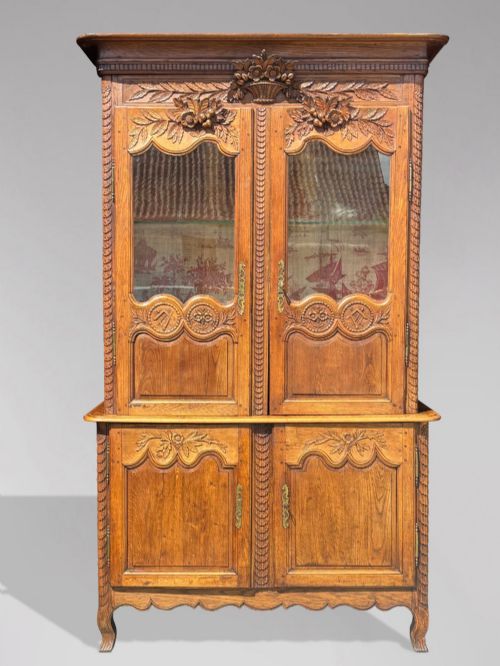
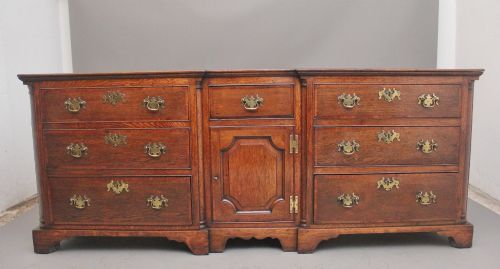
A provincial oak dresser represents the utilitarian heart of domestic furniture from English and French regions, designed to store provisions and display household tableware. These items range from sturdy base units with pot boards to towering two-piece cupboards featuring plate racks.
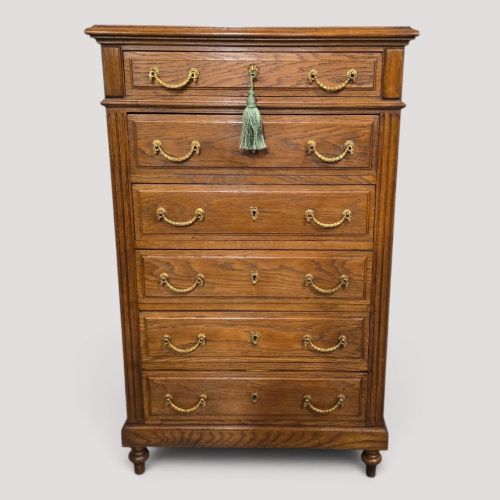
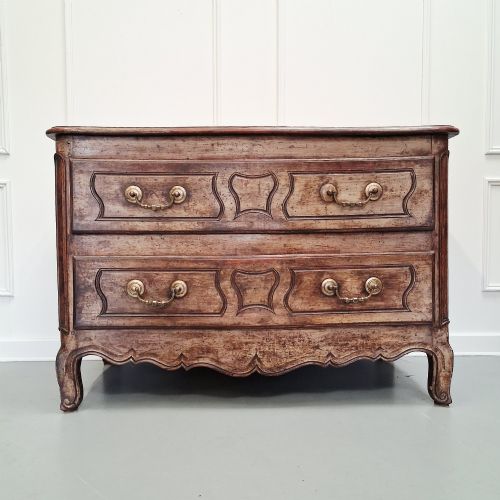
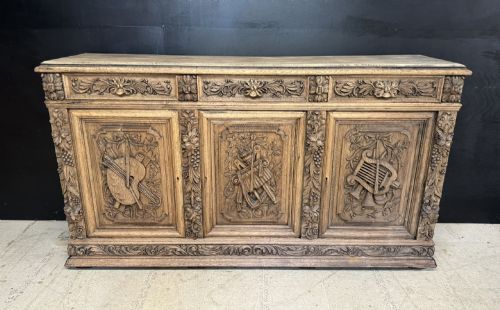
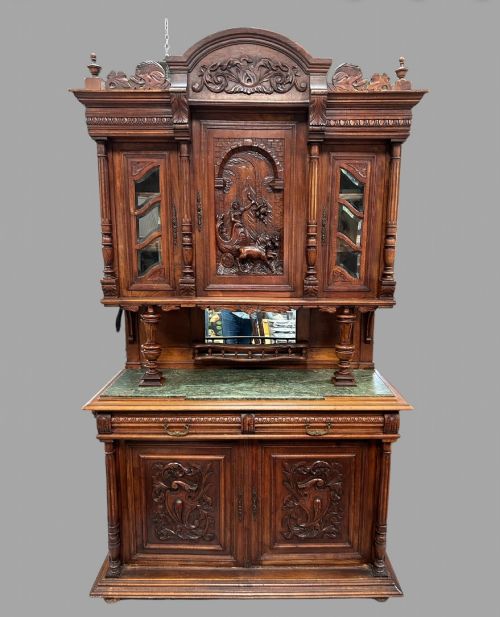
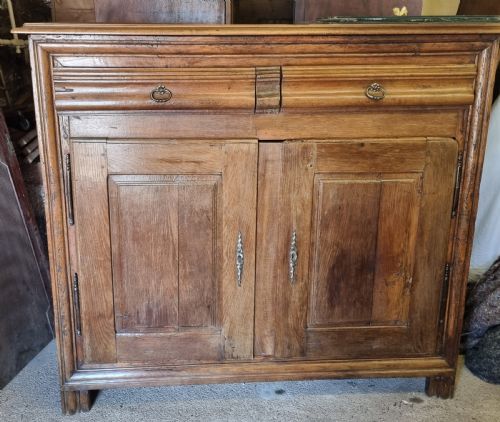
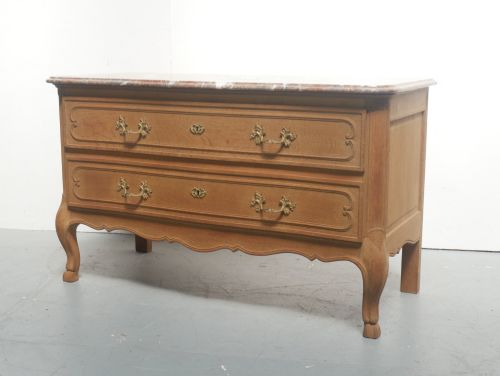
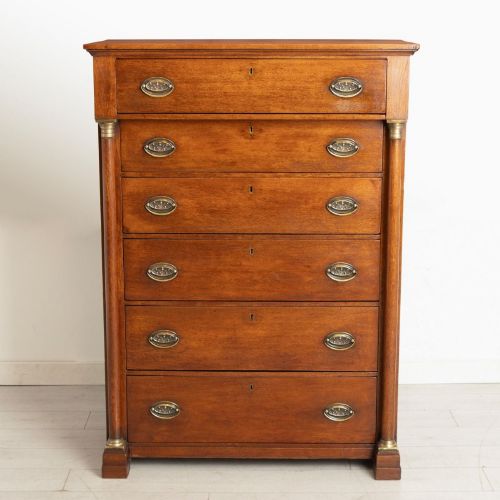
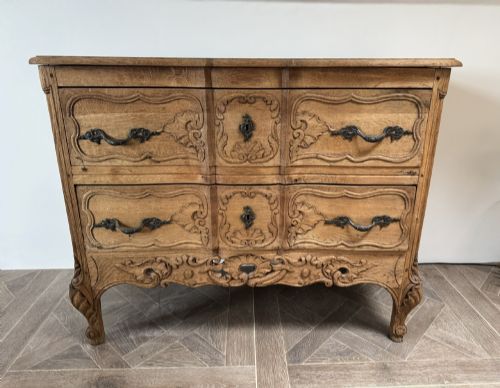
The pieces you encounter on this page span the eighteenth and nineteenth centuries, merging regional craftsmanship with robust construction. English and Welsh examples frequently incorporate open plate racks, whilst continental cousins lean towards commodes, enfilades, and buffets.
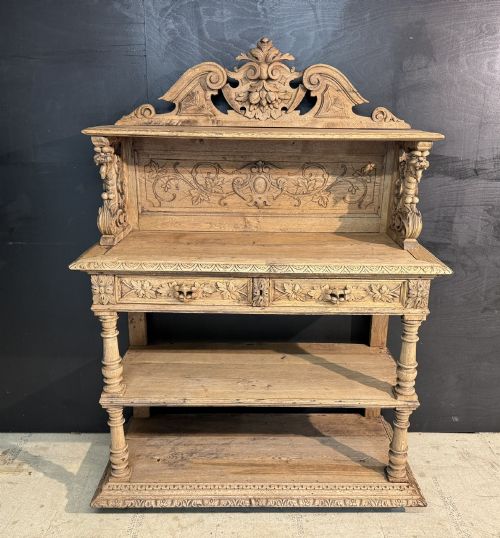
Makers shaped these utilitarian objects from native hardwoods, creating functional storage that ranged from simple farmhouse bases to elaborate carved cabinets. The provincial oak dresser remains a foundational element for country house interiors.
How they were made
Carpenters relied primarily on solid oak, supplemented by fruitwood, elm, and walnut, selecting timber for its strength and resistance to heavy domestic use. Boards were joined using traditional methods such as mortise and tenon joints, secured with wooden pegs.
Surface detailing relied on hand carving, panel moulding, and occasional painted or bleached finishes to alter the appearance of the timber. Iron and brass hardware, including drop handles and escutcheons, fastened doors and drawers.
House maids kept these cupboards locked to guard the sugar and tea.
What varies in quality
Quality rests in the integrity of the timber selection and the retention of original structural surfaces, distinguishing honest country workshop production from later adaptation. Pieces retaining their original hardware, uncompromised backboards, and unaltered pot boards command deeper appreciation.
The crispness of hand-carved detailing and the smoothness of drawer operation indicate the skill of the original regional cabinetmaker. Proportion and balance separate standard utilitarian farm furniture from exceptional vernacular commissions.
The Provincial Oak Dresser Glossary
- Dresser base
- A low cabinet fitted with drawers and frequently a lower shelf or pot board, used originally for food preparation and storage.
- Plate rack
- An upper tier featuring shelves and grooves designed to display ceramic plates and platters safely against a wall.
- Pot board
- An open slatted lower shelf built into a dresser base to store heavy cooking pots and kitchen utensils.
- Enfilade
- A long sideboard or low cabinet featuring a continuous line of multiple doors, common in continental provincial dining spaces.
- Commode
- A low chest of drawers or cabinet originating in France, often featuring decorative mounts or a shaped wooden top.
- Buffet deux corps
- A substantial two-piece storage unit comprising a lower cabinet surmounted by a matching upper display section.
Provincial Oak Dresser: Frequently Asked Questions
How do I date an oak dresser?
Examine the construction methods visible on the interior and backboards, including hand-sawn timber marks and the absence of modern machine screws. Peg construction and timber shrinkage patterns also offer reliable clues to age.
Style shifts across the eighteenth and nineteenth centuries, moving from plain joined panels to more elaborate regional carvings and shaped drawer fronts. Comparing hardware fixings helps narrow down the decade of production.
Are plate racks always original to the base?
Many upper plate racks were separated from their original bases over generations of use, leading to later marriage of mismatched sections. Look closely at timber colour, wear patterns, and mounting points to determine if they belong together.
An authentic pairing shares identical wood grain characteristics and historical accumulation of wax and dust around the joinery. Dealers note these details carefully in the listing descriptions.
How do I care for antique oak furniture?
Maintain a stable indoor humidity and keep the timber away from direct heat sources to prevent the oak from splitting or warping. Natural beeswax applied sparingly preserves the dry sheen of the wood.
Avoid modern silicone polishes, which build up a sticky residue and attract dust into the grain. Gentle dusting with a dry cloth keeps the surface clean.
What is the difference between English and French dressers?
English and Welsh examples traditionally feature open plate racks mounted above timber bases with pot boards for kitchen display. They emphasise straightforward utility and sturdy joinery.
French provincial pieces, such as buffets and commodes, often utilise enclosed upper cupboards or marble tops instead of open shelves. They reflect continental dining habits and regional decorative preferences.