

Provincial Furniture
Provincial furniture brings honest regional character and robust local craftsmanship directly into contemporary homes.
Provincial Furniture
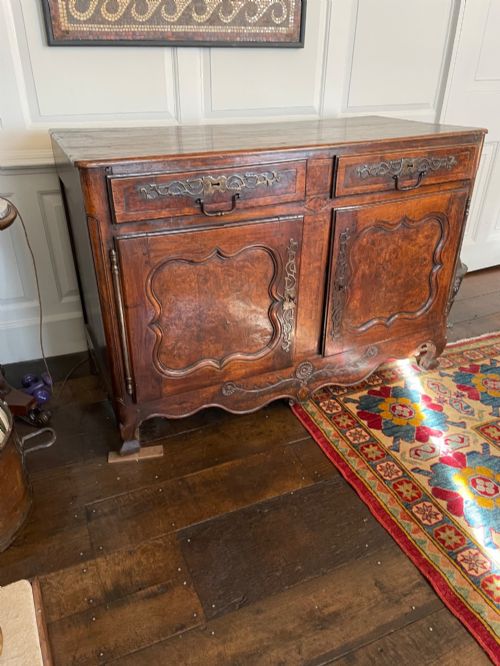
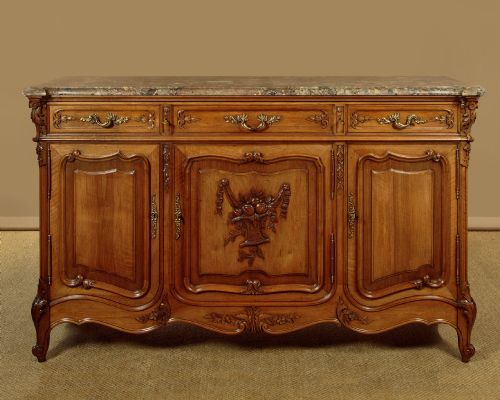
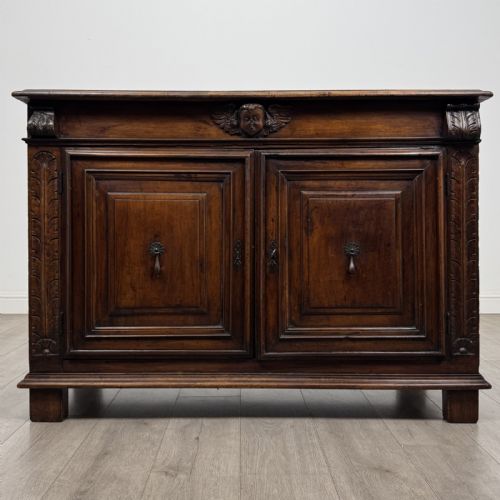
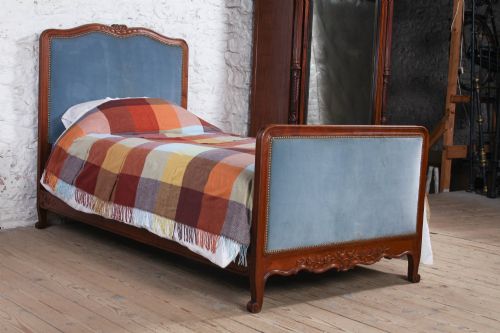
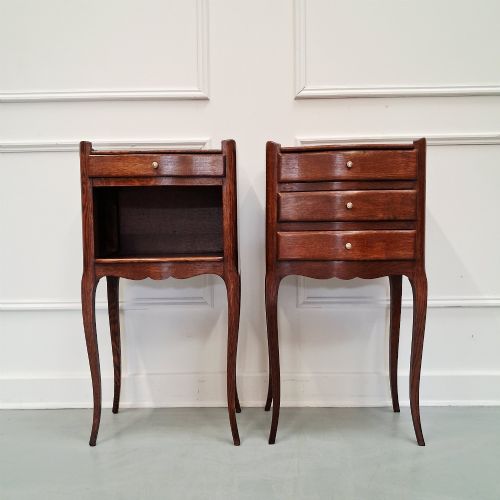
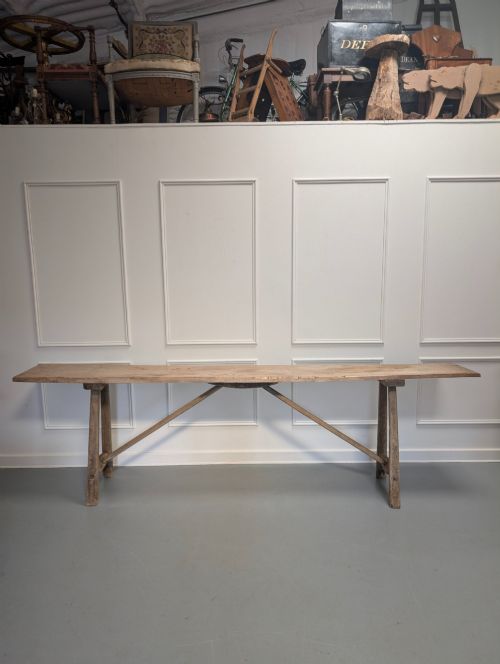
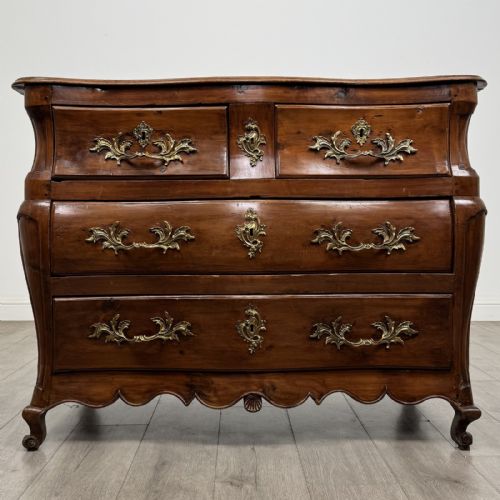
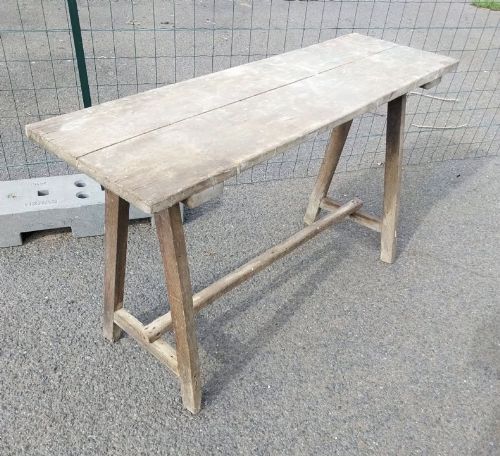
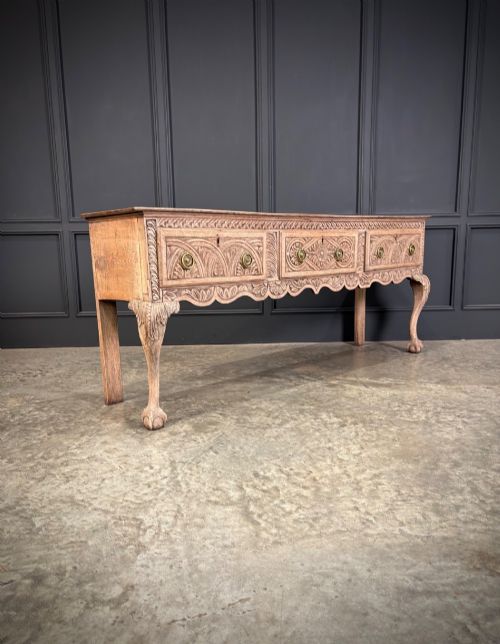
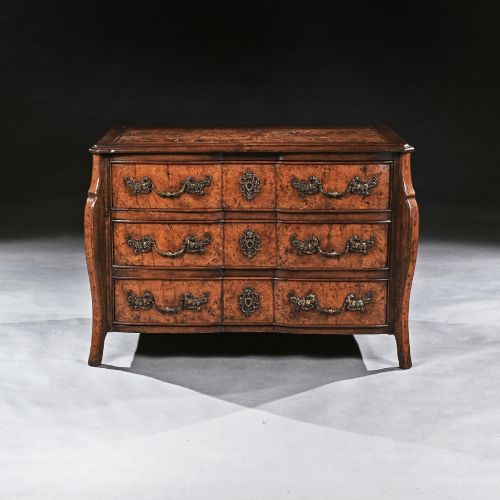
Most examples originate from French provincial and country traditions, alongside English, Scottish, Swedish, and Italian pieces. Forms range from eighteenth-century oak dressers and burr elm commodes to nineteenth-century laundry tables and bakers racks. These regional items provide functional storage and seating while displaying the distinct utilitarian aesthetic of their local makers.
How provincial furniture was made
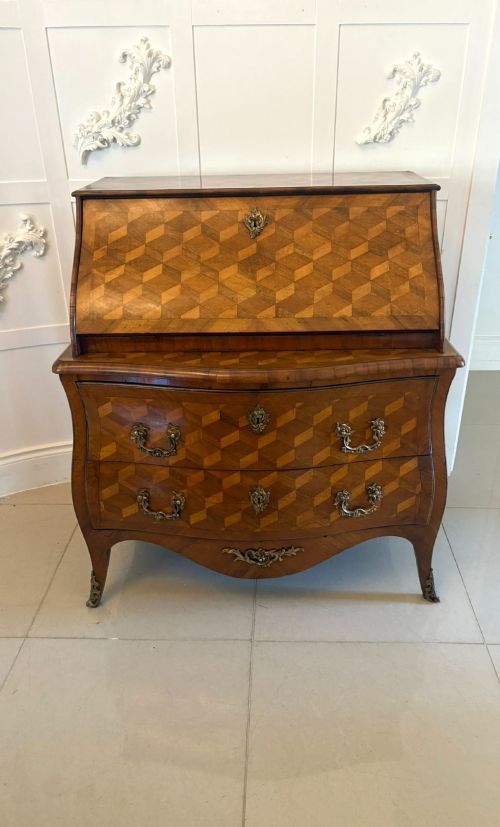
Makers utilised locally available timbers including oak, walnut, elm, cherrywood, fruitwood, and pine. Carpenters joined these solid woods using traditional pegged and dovetailed construction to ensure long-term durability under heavy daily use. Surfaces often received simple wax finishes, hand-applied paint, or intricate parquetry and marquetry in more ambitious regional workshops.
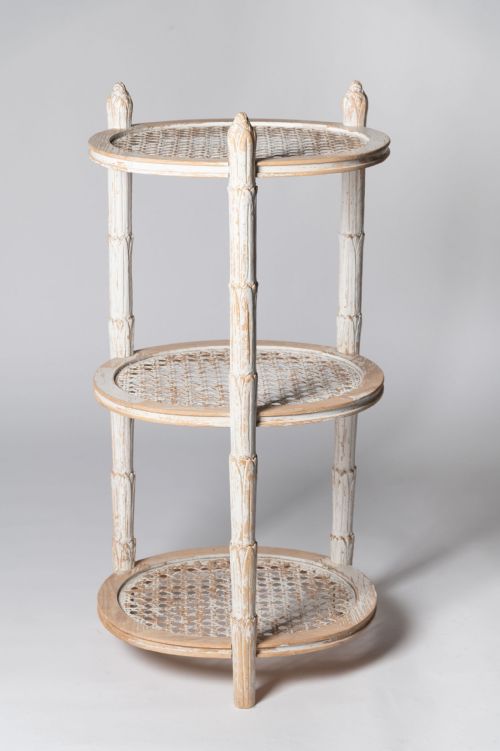
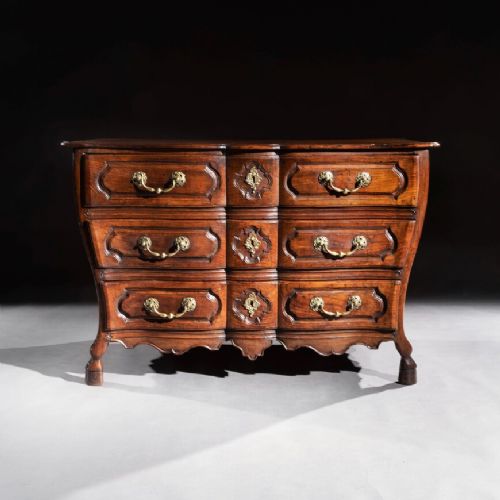
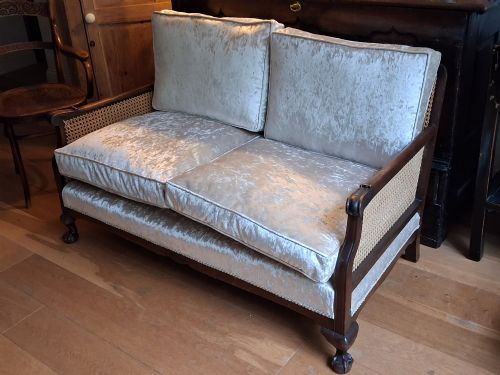
Structural elements frequently incorporated brass hardware, marble tops, or turned legs to support heavy chopping blocks and serving tables. Cabinetmakers shaped commodes with bombe fronts or serpentine contours using thick timber veneers over secondary woods. Cane work and metal components also appear on specific seating and garden benches.
Provincial Furniture Retail Price Guide 2026
Typical asking prices for provincial furniture among the pieces listed under this phrase on Sellingantiques today, from the lower quarter to the upper quarter. They describe what is for sale here now, not the wider market.
Several heavy chopping blocks still retain their original gnarled wooden legs, shaped directly from local orchard trimmings.
What varies in quality
Quality differences stem from the selection of timber, the ambition of the regional design, and the integrity of the original construction. Superior pieces display dense, richly figured grain in woods like burr elm, walnut, and kingwood, paired with sophisticated carving or parquetry. Simpler utilitarian items rely on solid oak or pine, where overall proportion and uncompromised structural survival determine worth.
The sophistication of the joinery and the survival of original surface patination distinguish finer examples from standard vernacular pieces. Pieces retaining original brass mounts, unpainted surfaces, or authentic gnarled wooden bases command greater appreciation among collectors. Masterful shaping of serpentine or bombe commodes likewise separates high regional workshops from basic cabinetmaking.
Dubois of Lyon
The Provincial Furniture Glossary
- Bombe
- A swelling, convex outward curve on the front and sides of a chest of drawers or commode. This curved form demands advanced woodworking skill to execute properly.
- Parquetry
- Geometric wood inlay patterns applied to furniture surfaces. Craftsmen arrange contrasting timber veneers to create decorative geometric designs.
- Settle
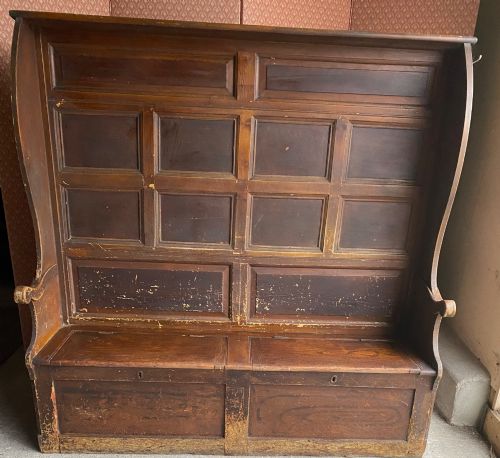
- A wooden bench with high backs, solid arms, and often a storage box beneath the seat. These pieces provided draught protection in traditional kitchens.
- Secretaire
- A desk or cabinet featuring a pull-down writing flap that conceals small drawers and pigeonholes. They combine storage capacity with a dedicated writing surface.
Provincial Furniture: Frequently Asked Questions
What defines provincial furniture?
Provincial furniture consists of domestic items made in regional areas outside capital cities, reflecting local materials and practical needs. These pieces prioritise robust construction and utility over courtly fashion.
Craftsmen used regionally available timbers like oak, elm, and fruitwood to build chests, tables, and seating for everyday rural and provincial life.
How do I date an old commode?
Dating relies on examining construction methods, timber choices, hardware, and stylistic traits associated with specific periods like the eighteenth century. Hand-cut dovetails and pegged joints typically indicate older manufacture.
Secondary woods and the style of the bombe or serpentine shaping offer further clues to the workshop's era and geographical origin.
Where should I place a laundry table?
Large wooden laundry tables suit spacious kitchens or dining areas as central prep stations or gathering points. Their generous proportions provide a durable surface for daily tasks.
Pairing them with simple benches or armchairs creates an authentic rural dining arrangement that highlights the wood's natural grain.
How do I care for antique oak?
Antique oak benefits from occasional waxing with natural beeswax to nourish the timber and maintain a soft protective sheen. Avoid harsh chemical cleaners and excessive moisture.
Keep wooden items away from direct heat sources and strong sunlight to prevent the timber from drying out and splitting over time.