


Provincial Dining Chairs
Provincial dining chairs bring rustic character and regional craftsmanship directly to the table.
Provincial Dining Chairs
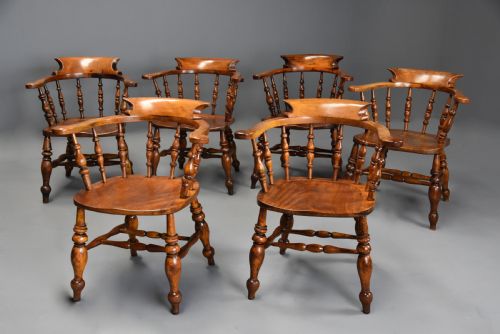
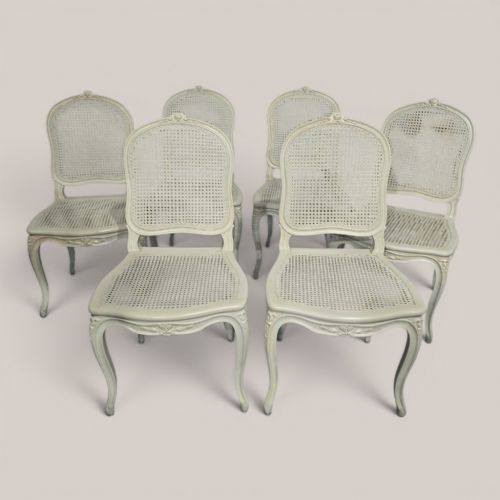
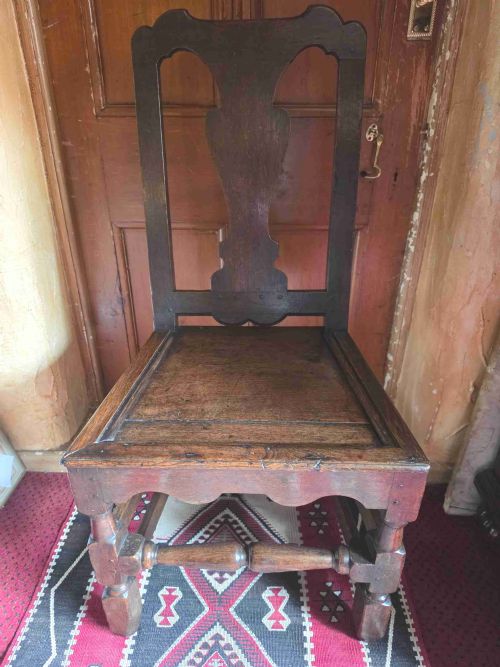
Provincial dining chairs encompass regional, country-made seating spanning several centuries from British, French, and Italian origins. These pieces range from sturdy oak and elm ladder backs to refined walnut and fruitwood styles.
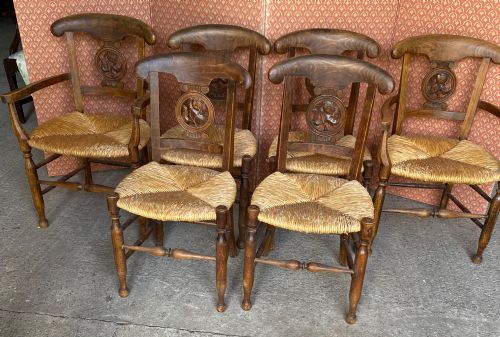
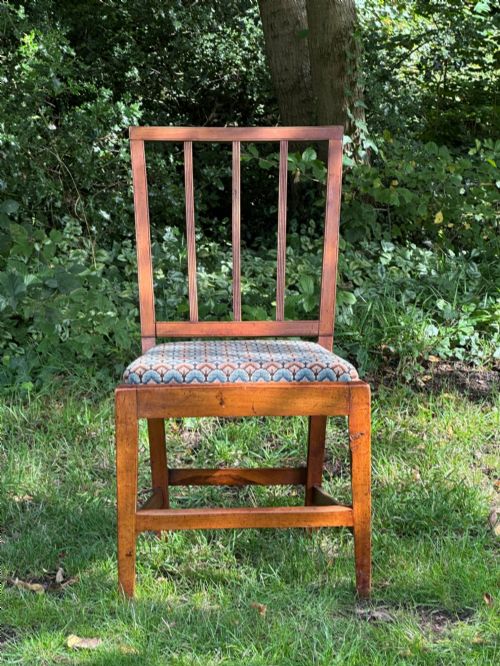
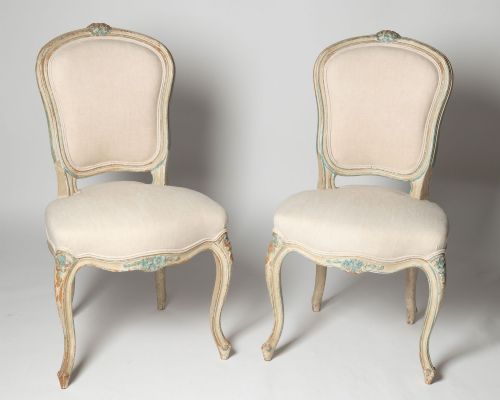
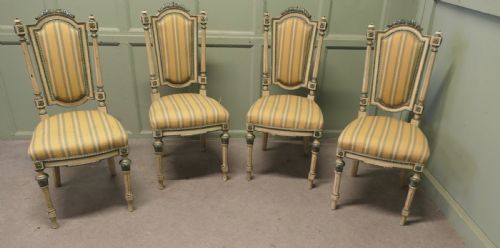
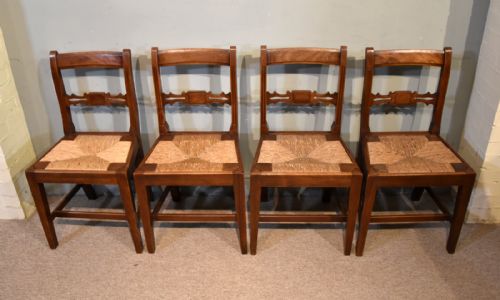
Buyers will most frequently meet French and English examples featuring rush, wooden, or upholstered seats. Sets span from pairs to larger groups suitable for modern dining rooms.
How they were made
Local timbers such as oak, elm, beech, birch, and fruitwood form the structural framework of these chairs. Craftsmen frequently combined native woods within a single piece, utilising elm for seats and ash or beech for spindles and legs.
Traditional construction methods relied on pegged mortise and tenon joints, steam-bent components for Windsor backs, and hand-woven rush for seating pads. Painted finishes and carved details appear on specific French and regional English variants.
Several country chairs proudly retain their rustic hoof feet.
What varies in quality
The integrity of the structural timber and the retention of original surfaces dictate the standing of individual pieces. Chairs that preserve their authentic patina and uncompromised joinery command greater appreciation than heavily restored equivalents.
Coherence within assembled sets influences desirability, as matched timbers and uniform wear across a group indicate a true original suite rather than a later collection gathered to mimic a set.
The Provincial Dining Chairs Glossary
- Ladder back
- A chair back featuring multiple horizontal wooden slats between the upright stiles. This form appears frequently in regional English and French country seating.
- Rush seat
- A seating surface woven from dried marsh grasses twisted into cords. It provides a durable and resilient base for traditional kitchen and dining chairs.
- Windsor chair
- A timber-framed seat where the legs and back spindles are socketed directly into a thick sculpted wooden seat. Regional variations include stick back and splat back designs.
- Carver
- An armchair, often placed at the head of a dining table, sharing stylistic traits with the smaller side chairs in a set.
- Harlequin set
- A collection of dining chairs that match in general style and period but vary subtly in individual details and proportions.
Provincial Dining Chairs: Frequently Asked Questions
How do I care for antique rush seats?
Keep rush seated chairs in rooms with stable humidity to prevent the natural fibres from becoming brittle and snapping.
Clean the woven surface gently with a dry brush and avoid saturating the material with water during routine maintenance.
Can I mix these chairs with a modern table?
Combining regional antique seating with a contemporary table creates a striking contrast that highlights the organic textures of the wood.
The diverse grain patterns and patinas found in older timbers naturally complement minimalist or modern dining spaces.
What is the difference between a side chair and a carver?
Side chairs are built without arms and are designed to fit neatly along the sides of a dining table.
Carvers include supportive armrests and traditionally served as the primary seat at the head of the table.
How do I identify regional styles in these chairs?
Regional characteristics emerge through specific turning patterns, local timber choices, and distinctive backrest formations like ladder backs or spindle designs.
French provincial examples often display softer carved motifs and rush pads, whereas English country pieces favor sturdy elm and ash construction.