

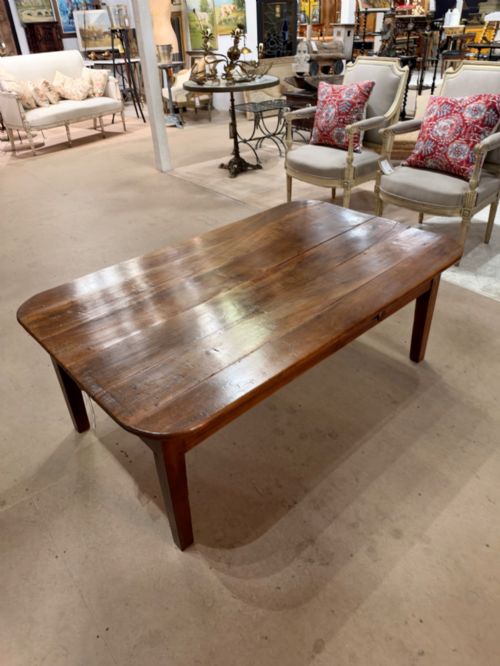
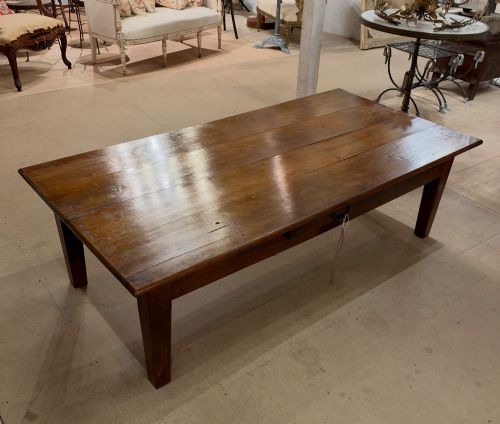
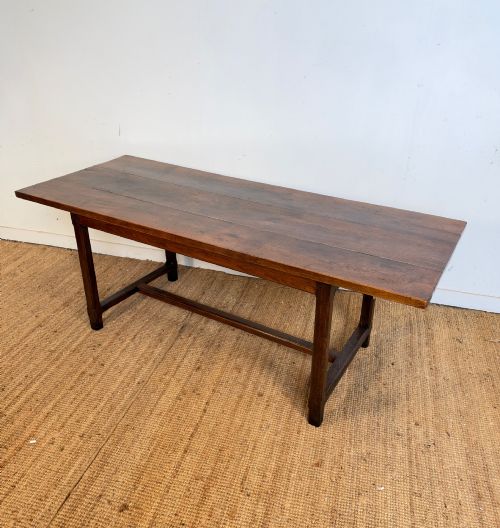
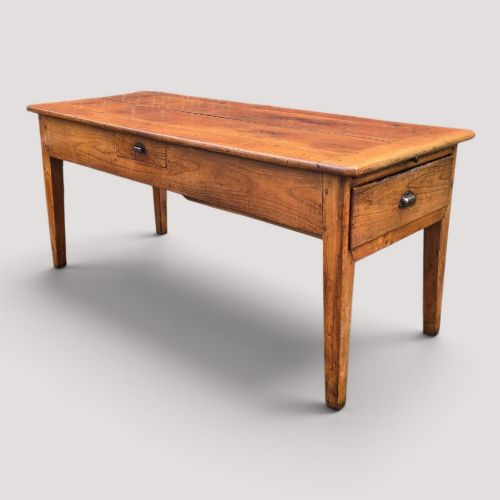
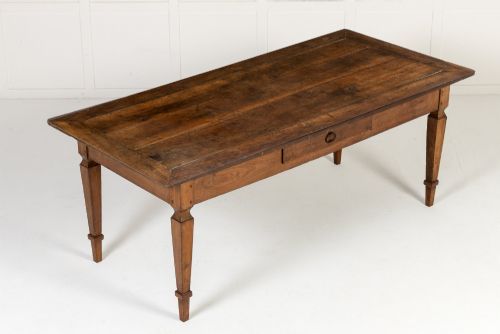
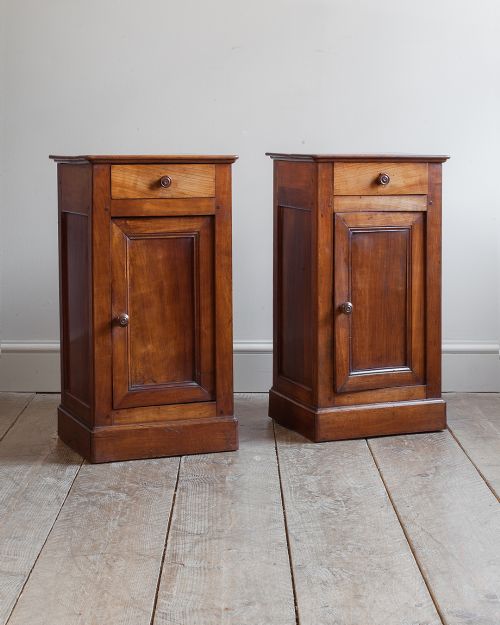
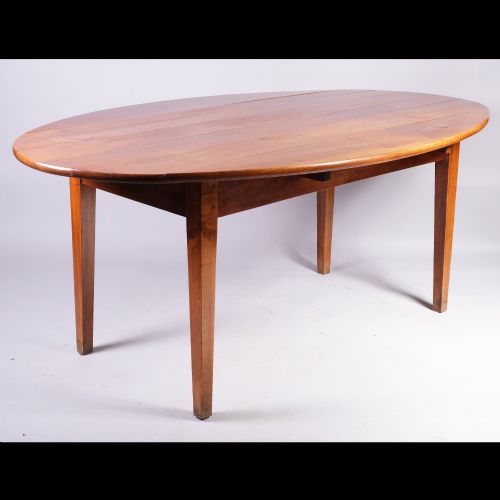
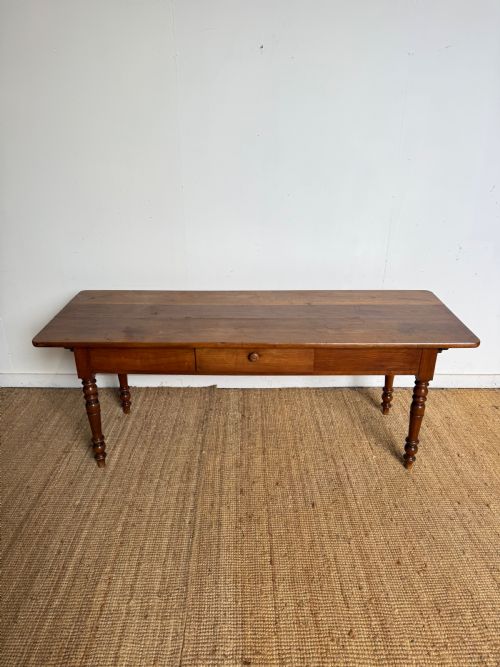
Provincial Cherrywood Table
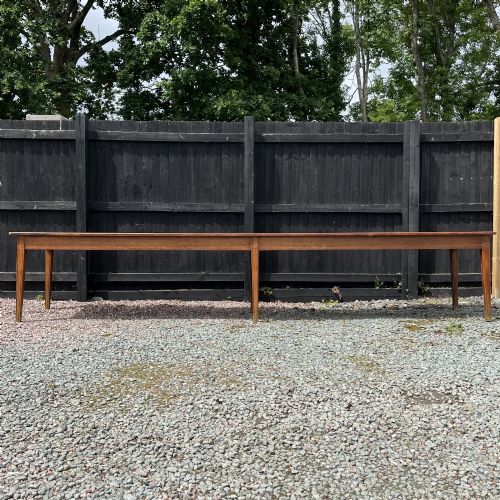
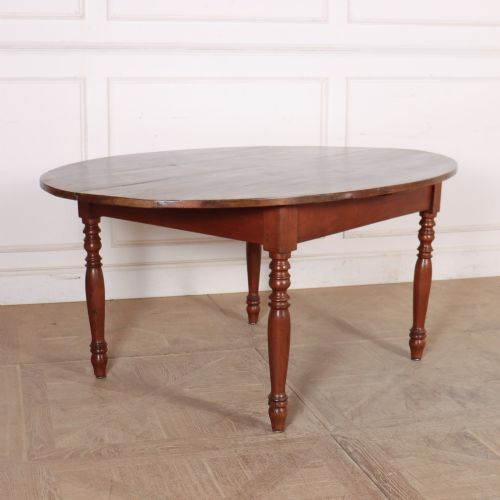
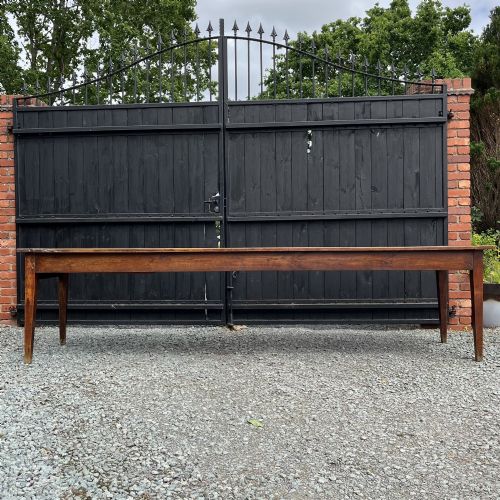
These provincial cherrywood table pieces bring warm fruitwood grain and French country character straight into everyday rooms.
Provincial Cherrywood Table
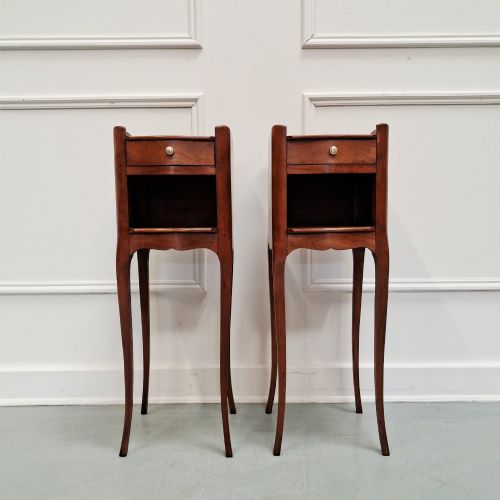
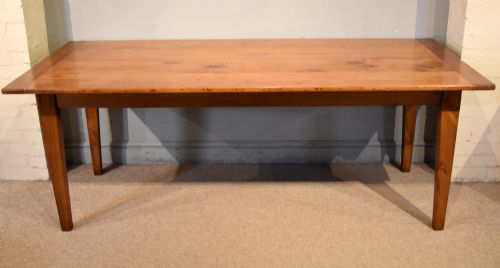
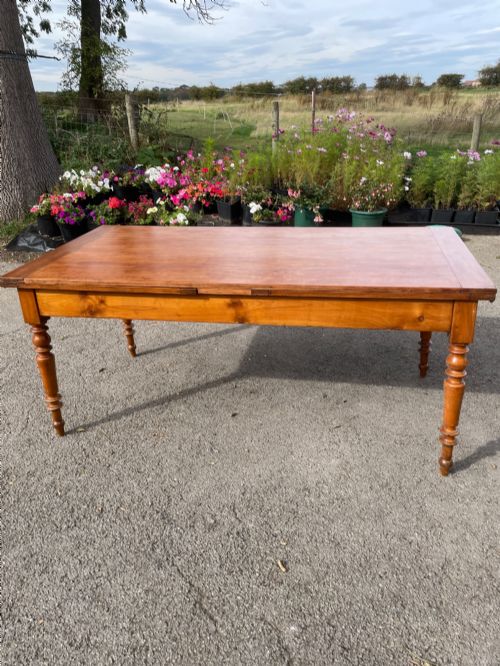
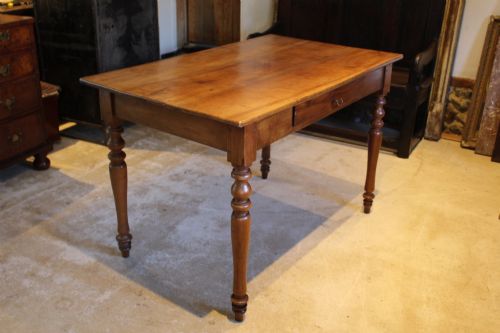
When you search for a provincial cherrywood table, you encounter practical furniture shaped by regional French cabinetmakers across the eighteenth and nineteenth centuries. These items range from long farmhouse dining tables and kitchen refectories to smaller coffee tables, console tables, and bedside cabinets.
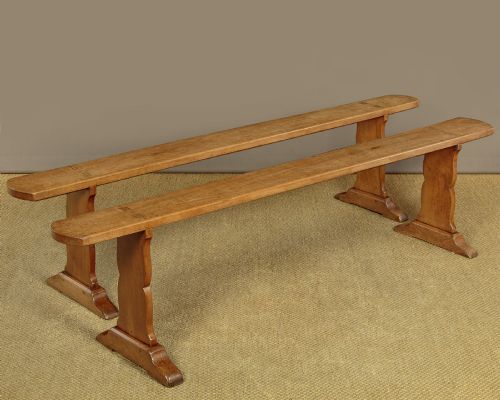
The most common examples on this page are nineteenth-century farmhouse and kitchen tables, often featuring utilitarian additions like drawers and sliding bread boards. Alongside these large dining surfaces, smaller occasional forms such as nightstands and benches appear in cherrywood and fruitwood.
Materials and construction methods
These pieces rely on solid cherrywood, fruitwood, and timber paired with functional metal and brass hardware. Cabinetmakers utilised durable local woods that developed a rich, faded patina through decades of daily use in French homes.
Construction techniques focus on utility and longevity, incorporating sturdy stretchers, draw leaves, and extending mechanisms. Details like cabriole legs and fitted drawers demonstrate regional craftsmanship without excessive ornamentation.
Provincial Cherrywood Table Retail Price Guide 2026
Typical asking prices for provincial cherrywood table among the pieces listed under this phrase on Sellingantiques today, from the lower quarter to the upper quarter. They describe what is for sale here now, not the wider market.
Distinctions in quality and execution
Quality rests upon the selection of the timber and the integrity of the original construction rather than elaborate decoration. Superior examples display rich natural grain depth, harmonious proportions, and well-integrated functional elements like sliding bread boards or smooth drawer actions.
Lesser pieces may show heavy structural alterations or timber replacement that disrupts the uniform character of the fruitwood. The most desirable items retain their original surface appearance, uncompromised by modern stripping or over-finishing.
The Provincial Cherrywood Table Glossary
- Cherrywood
- A dense fruitwood timber prized for its warm reddish-brown hue and smooth grain texture. It deepens in colour and develops a rich patina over time.
- Bread slide
- A pull-out wooden shelf traditionally positioned beneath the table top to hold loaves or provide extra workspace. It operates on wooden runners.
- Refectory table
- A long, narrow dining table originally designed for communal meals in monastic dining halls. These sturdy surfaces rest on heavy legs joined by low stretchers.
- Cabriole leg
- A furniture leg that curves outward in a convex arc and tapers inward in a concave arc, mimicking an animal limb. This shape appears frequently on French provincial tables and bedside cabinets.
- Fruitwood
- A collective term for timber harvested from fruit-bearing trees such as cherry, pear, and apple. These woods were widely used by regional cabinetmakers for domestic furniture.
Provincial Cherrywood Table: Frequently Asked Questions
How do I clean a cherrywood table?
Dust the surface regularly with a soft, dry cloth to prevent dirt accumulation. Avoid harsh chemical sprays that can strip the natural fruitwood finish.
Apply a traditional beeswax polish occasionally to nourish the timber and maintain its soft lustre. Keep the wood away from direct heat sources and strong sunlight to prevent drying and fading.
Can I use a farmhouse table daily?
These tables were built for heavy domestic use in kitchens and dining rooms, making them well-suited for everyday living. Their sturdy timber construction handles regular meals and family gatherings with ease.
Use coasters and mats to protect the aged surface from moisture rings and heat marks. Embracing minor scuffs and marks helps preserve the authentic character of the antique fruitwood.
What is a bread slide used for?
A bread slide provided extra surface area in busy French provincial kitchens without requiring a larger table footprint. Historically, bakers placed loaves upon it before slicing.
Today, the pull-out board functions as a convenient shelf for resting small items or extending the table surface temporarily during dinner parties.