





Antique Cherry Wood Desk
An antique cherry wood desk brings warmth and character into a room through rich timber tones and honest period construction.
Antique Cherry Wood Desk
The periods represented span from the mid-eighteenth century up to nineteen hundred, showing the enduring appeal of cherry timber in domestic furniture. French country and George II styles dominate the aesthetic, combining utility with regional craftsmanship.
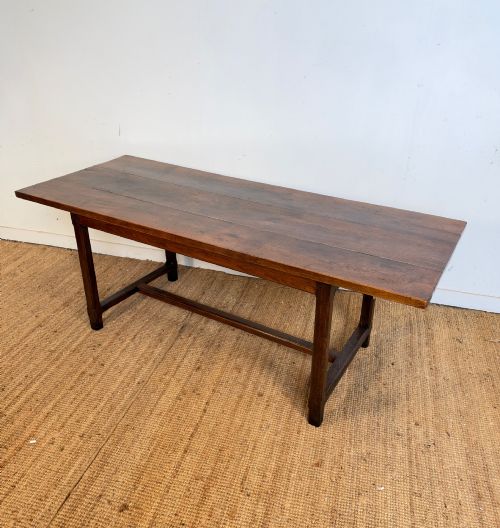
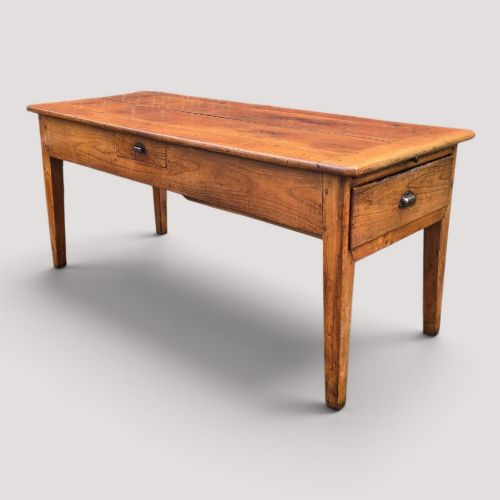
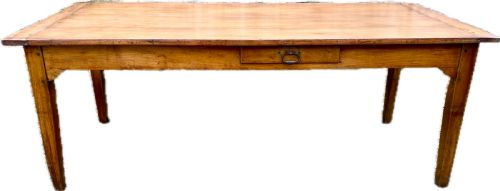
Buyers frequently encounter farmhouse refectory dining tables alongside smaller occasional pieces, all sharing the characteristic warm reddish hue of cherry wood. Each item reflects the domestic requirements of its era, from simple side tables to grand kitchen tables.
How they were made
Makers utilised solid cherry wood paired with functional brass or iron hardware to construct these tables and desks. The natural grain of the cherry timber receives emphasis through traditional polishing techniques that highlight the warm colour.
Some specialised pieces incorporate stone tops, adding durability and a contrasting texture to the wooden framework. Joinery relies on traditional hand-cut methods appropriate to eighteenth and nineteenth-century workshops.
Antique Cherry Wood Desk Retail Price Guide 2026
Typical asking prices for cherry wood desk among the pieces listed under this phrase on Sellingantiques today, from the lower quarter to the upper quarter. They describe what is for sale here now, not the wider market.
Several tables retain the authentic marks of daily kitchen prep, reminding us that antique furniture lived busy lives before becoming collectibles.
What varies in quality
The distinction between standard domestic items and finer pieces lies in the subtlety of the proportions and the selection of the timber. Early examples from the eighteenth century demonstrate superior cabinet-making skills compared to later provincial iterations.
The depth of the patina on the cherry wood significantly influences the overall character of the piece. Uniformity in the grain and the integrity of original metal fittings separate exceptional examples from ordinary ones.
The Antique Cherry Wood Desk Glossary
- Lowboy
- A small side table or dressing table with drawers, typically raised on four legs. This form gained popularity during the eighteenth century.
- Refectory table
- A long, narrow dining table traditionally used for communal meals. These tables feature robust wooden frames suited to heavy daily use.
- French Provincial
- A style originating from regional French cabinet-makers who adapted court fashions into simpler domestic furniture. It emphasises practical elegance and local materials such as cherry wood.
- Patina
- The surface sheen and colour depth developed by timber over decades of use and polishing. Collectors prize a deep, warm patina.
- Occasional table
- A small, versatile piece of furniture designed for specific, intermittent use rather than central placement. These often feature stone or timber tops.
Antique Cherry Wood Desk: Frequently Asked Questions
How do I identify French provincial tables?
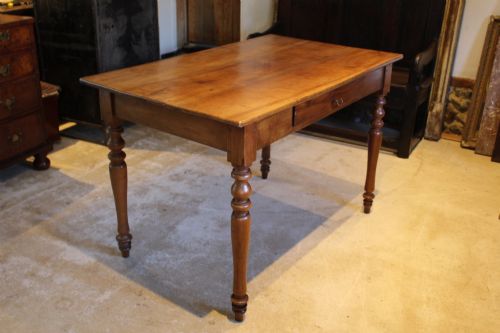
French provincial tables display simpler lines and regional interpretations of metropolitan styles, constructed using local timbers like cherry wood. They often feature unpretentious legs and sturdy aprons designed for farmhouse use.
Examining the construction methods and the wear on the timber helps determine the period and origin. These tables prioritise utility alongside pleasing domestic proportions.
Are stone top tables antique?
Yes, occasional tables featuring stone tops appear in mid-nineteenth-century French furniture production. The stone provided a durable, heat-resistant surface for various domestic tasks.
Combining stone with a cherry wood base created a robust piece suitable for kitchens or conservatories. The contrast between the cold stone and the warm wood defines their appeal.
How do I care for cherry wood?
Cherry wood furniture benefits from regular dusting with a soft cloth and occasional applications of appropriate beeswax to nourish the timber. Avoiding direct sunlight prevents the wood from darkening unevenly over time.
Maintaining a stable indoor climate protects the historic joints and prevents the timber from splitting. Gentle care preserves the natural patina developed over centuries.