


Timber Kitchen Dining Table
A proper timber kitchen dining table brings genuine daily utility and history into the heart of the home.
Timber Kitchen Dining Table
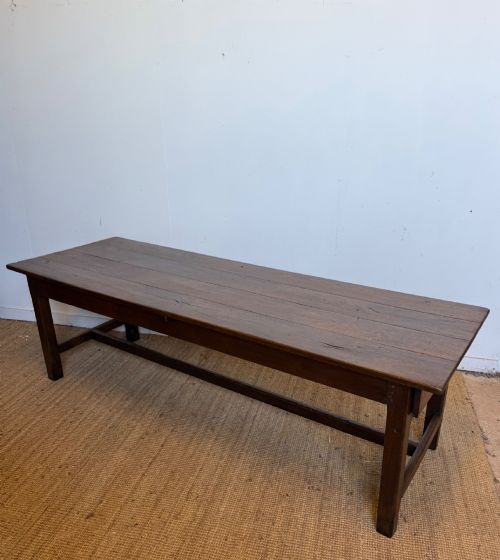
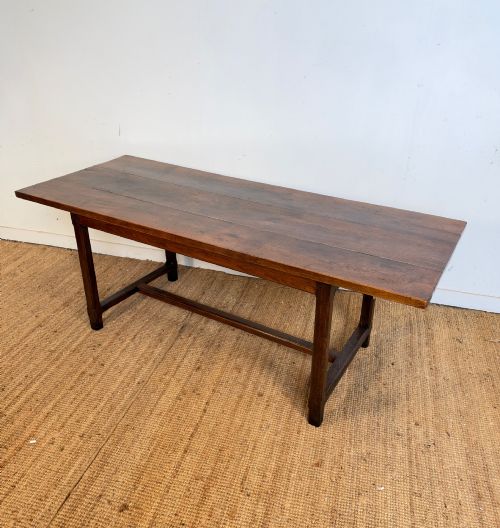
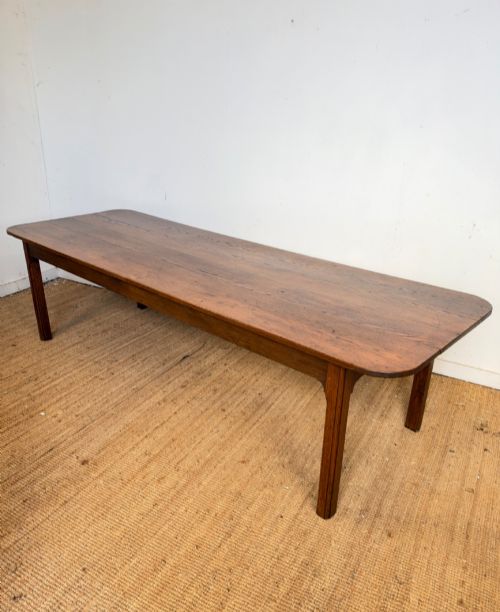
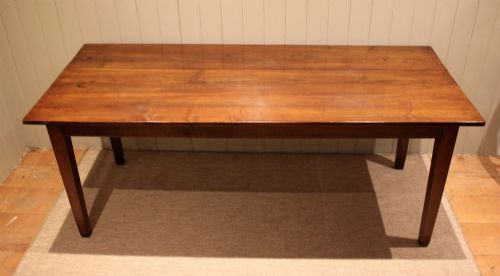
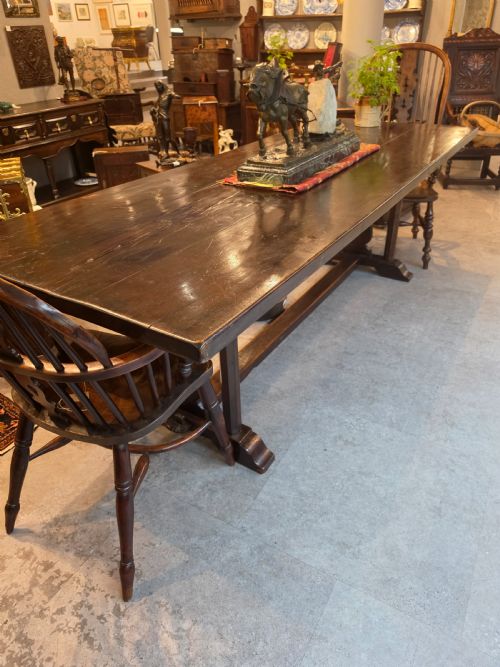
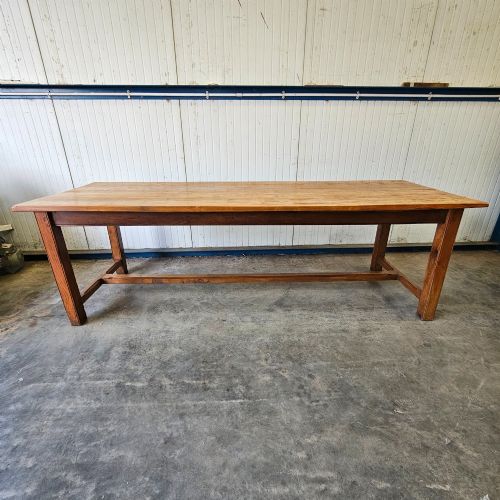
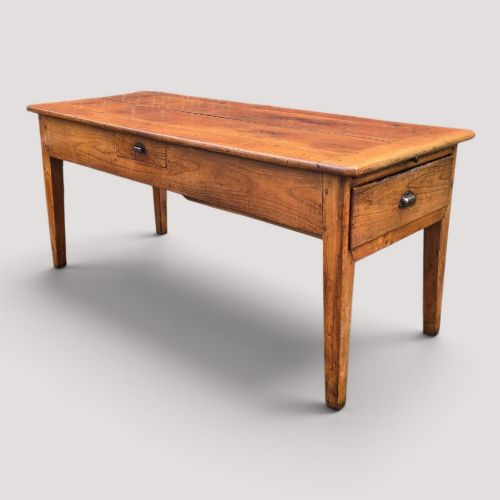
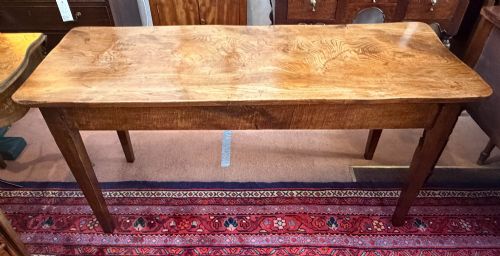
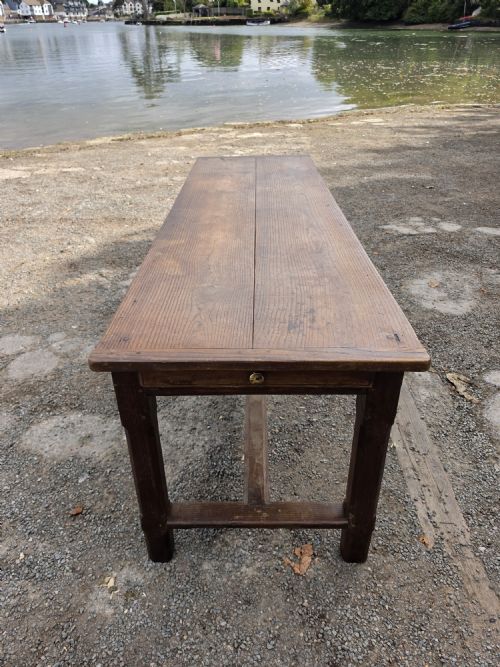
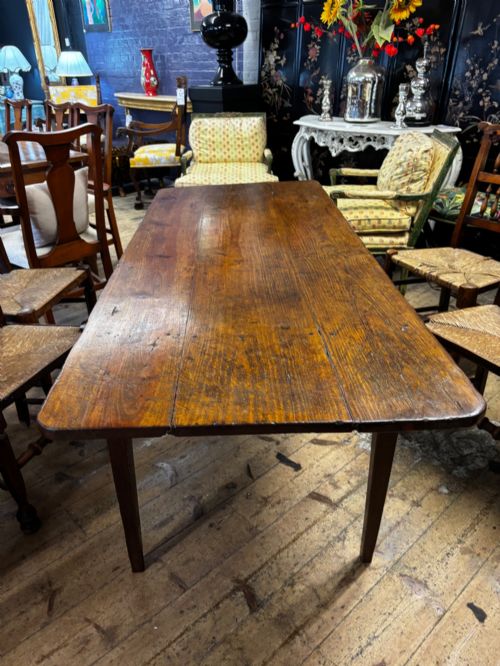
A timber kitchen dining table serves as the primary gathering surface for daily meals and domestic work, grounded in centuries of practical design. When searching for a timber kitchen dining table, buyers encounter large, robust forms built to endure heavy use in domestic settings. The pieces span periods from the eighteenth century through the Edwardian era, incorporating regional farmhouse and refectory traditions.
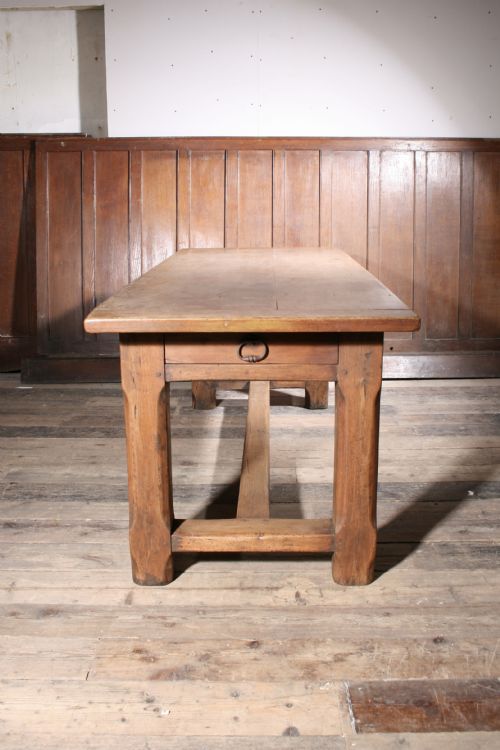
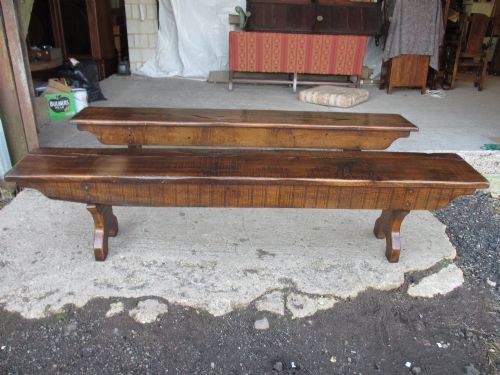
The selection centres heavily on nineteenth-century examples alongside eighteenth-century and early twentieth-century pieces. Common regional variations include French provincial designs, English country tables, and Scandinavian painted surfaces. Forms range from simple plank-top boards to tables fitted with drawers or trestle ends.
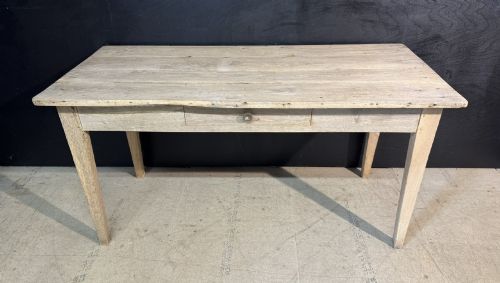
Buyers also meet specialised variants such as scrub-top tables, console tables, and drop-leaf formats suited to specific kitchen spaces. Elm, oak, pine, and various fruitwoods dominate the construction, often showing the distinct marks of long domestic service. These tables form the central anchor of a room designed for gathering and preparation.
How they were made
Craftsmen built these tables using solid native hardwoods and softwoods selected for structural strength. Oak, elm, pine, cherrywood, and chestnut provide the primary timber mass for tops and frames, supplemented by fruitwood and walnut in regional workshops. Boards were often joined as twin planks or broad single planks resting on sturdy frame supports.
Construction techniques prioritized stability and longevity through pegged joints, mortise and tenon framing, and heavy timber underframes. Surfaces received hand-planed finishes or scrubbed treatments designed to withstand daily scouring. Iron and brass fittings occasionally reinforced structural points, while natural oils and waxes protected the wood over generations.
Timber Kitchen Dining Table Retail Price Guide 2026
Typical asking prices for timber kitchen dining table among the pieces listed under this phrase on Sellingantiques today, from the lower quarter to the upper quarter. They describe what is for sale here now, not the wider market.
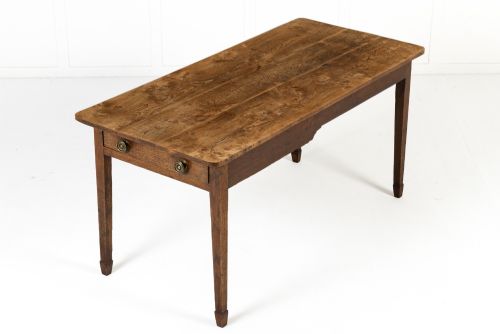
Several tables show historical drawer additions designed to keep stray cutlery close at hand during long winter suppers.
What varies in quality
The distinction between ordinary and superior tables lies in the selection of primary timbers and the integrity of the original construction. Thick, stable plank tops with minimal warping represent better manufacturing standards than patched or poorly joined boards. Regional origin and timber rarity, such as choice fruitwood or figured walnut, elevate certain examples above standard utility pine.
Proportion and structural honesty also determine the standing of a piece within its category. Tables retaining their original underframes, unaltered legs, and unreduced heights command greater interest from buyers seeking genuine period character. The depth of patina built through continuous use reflects the quality of the underlying wood and its historical care.
The Timber Kitchen Dining Table Glossary
- Plank top
- A table surface constructed from wide boards joined side by side. This method allows the timber to expand and contract naturally with seasonal humidity.
- Refectory table
- A long, narrow dining table traditionally used in monastic refectories and later adapted for domestic dining. These pieces feature substantial stretchers running low between the legs for added rigidity.
- Scrub top
- A wooden table top designed to be vigorously cleaned with water and a brush. This treatment wears the softer grain away and leaves a pale, undulating surface.
- Trestle table
- A table consisting of two or more support frames connected by a longitudinal beam or stretcher. This design provides sturdy legroom beneath the main surface.
- Twin plank
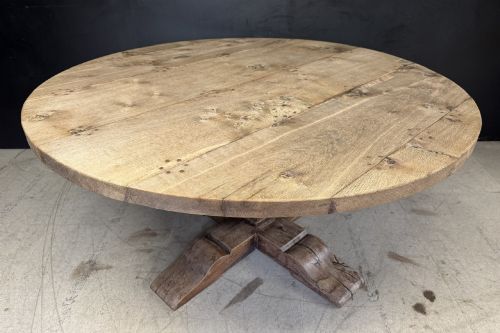
- A table top formed from two wide boards running the entire length of the surface. This construction method appears frequently on eighteenth- and nineteenth-century farmhouse tables.
Timber Kitchen Dining Table: Frequently Asked Questions
What defines a farmhouse table?
A farmhouse table is a utilitarian dining or work table built with sturdy timber frames and thick wooden tops for heavy domestic use. They typically display regional vernacular characteristics rather than strict adherence to formal cabinetmaking styles.
These pieces were designed to handle daily food preparation, family meals, and communal work in the kitchen. Their enduring construction allows them to function reliably in modern living spaces.
How do I care for an antique wood table?
Antique timber surfaces require minimal intervention beyond regular dusting and occasional treatment with natural beeswax to nourish the grain. Avoiding excessive moisture and direct heat sources protects the historic wood from splitting or warping.
Allowing the natural patina to develop through gentle use preserves the character built up over centuries. Simple preventative care ensures the table remains stable for daily service.
Are these tables suitable for everyday use?
These tables were originally engineered for rigorous daily domestic tasks, making them exceptionally well-suited for modern family life. Their solid timber construction handles regular dining and kitchen activities without difficulty.
Living with an antique table means accepting the minor marks and indentations that accumulate from continuous use. These historical signs of wear contribute directly to the visual depth of the piece.
How do I distinguish pine from hardwood tables?
Pine provides a softer, lighter timber surface with distinct knots and a pale golden hue when unpainted. Hardwoods such as oak, elm, fruitwood, and chestnut offer heavier weight, denser grain patterns, and greater resistance to impact.
Examining the underside and edges of the table usually reveals the density and species of the timber. Hardwoods generally show tighter growth rings and deeper natural coloration over time.