






Precision Pendulum Regulator
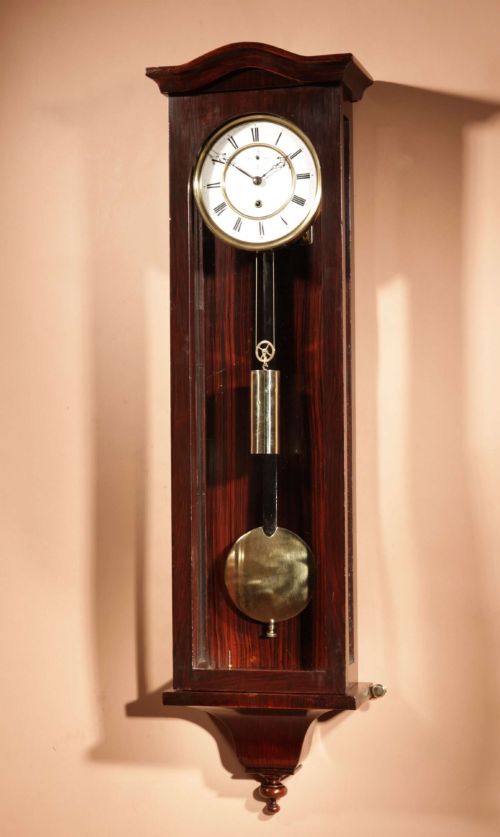
A precision pendulum regulator is a serious timekeeper designed for exact time measurement, housed in a polished wood case.
Precision Pendulum Regulator
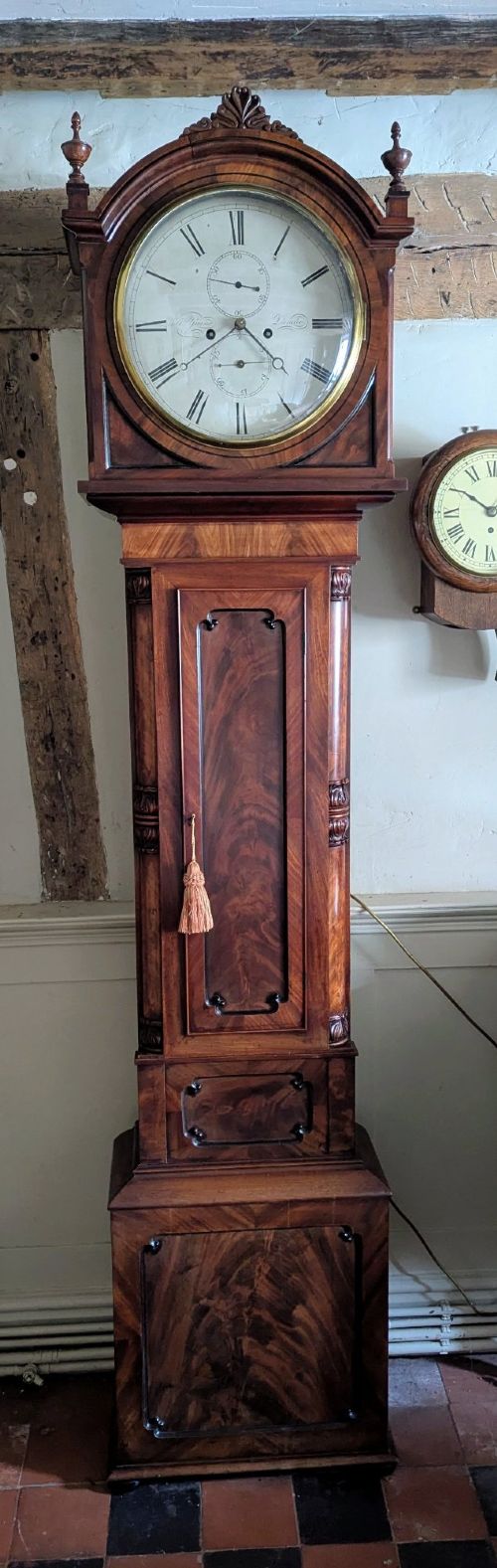
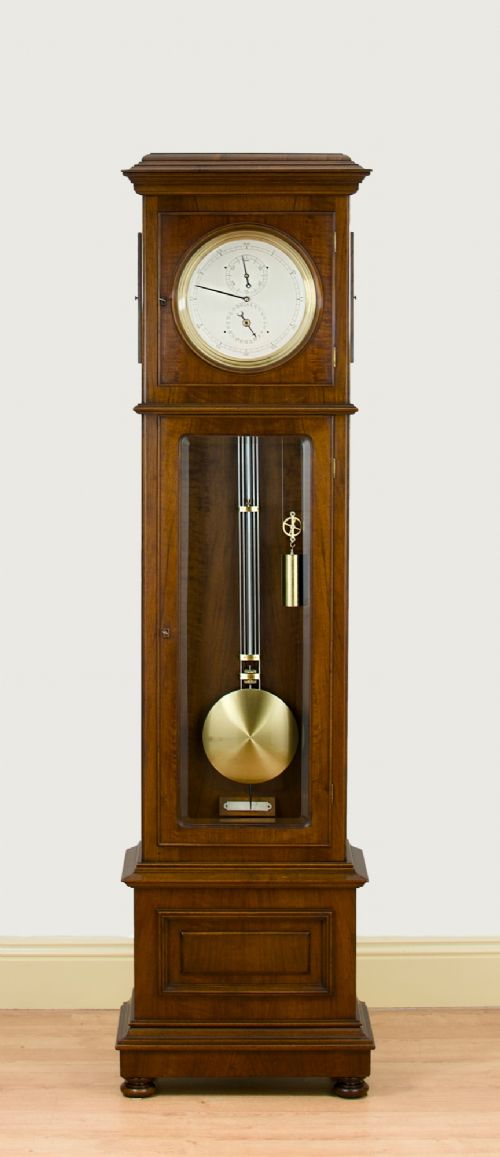
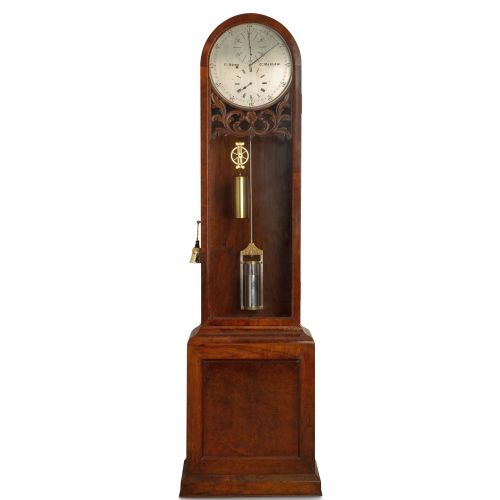
A precision pendulum regulator is a mechanical timekeeper built to achieve high levels of chronological accuracy, frequently taking the form of a tall longcase clock or a wall-mounted timepiece. These instruments serve collectors and horology enthusiasts who appreciate meticulous engineering and strict mechanical discipline.
The selections available here span several distinct periods including the Georgian, Victorian, and Edwardian eras, alongside specific continental interpretations. Longcase formats dominate the inventory, accompanied by wall clocks and occasional factory electric movements.
Assessing quality and execution
Quality rests in the refinement of the movement and the architectural integrity of the housing. Superior examples demonstrate rigorous mechanical execution and clean dial layouts designed purely for legibility.
Cabinetwork varies from straightforward functional housings to arched mahogany cases with carefully matched wood grains. The relationship between the precision of the escapement and the proportional balance of the case defines the standing of the piece.
Precision Pendulum Regulator Retail Price Guide 2026
Typical asking prices for precision pendulum regulator among the pieces listed under this phrase on Sellingantiques today, from the lower quarter to the upper quarter. They describe what is for sale here now, not the wider market.
Listings feature movements spanning the Georgian, Victorian, Edwardian, and 1930s periods, housed in mahogany, walnut, and brass.
Lenzkirch·William Chisholm Of Aberdeen·Pearce And Sons·Hampston Prince And Cattles Of York·Frederick Rowe Of Great Marlow·Richard Rowell Of Oxford
The Precision Pendulum Regulator Glossary
- Regulator
- A precision clock designed to keep exceptionally accurate time, traditionally utilised as a standard against which other timepieces were set. These mechanisms prioritize chronological exactness over decorative display.
- Pinwheel escapement
- An escapement mechanism utilising a wheel with pin-shaped teeth to interact with the pallet arms. This design reduces recoil and helps maintain a consistent impulse to the pendulum.
- Longcase clock
- A tall freestanding weight-driven clock housed within a vertical wooden trunk. Also known as a grandfather clock, this form protects the long pendulum and falling weights.
- Silvered metal
- A metallic dial surface treated with a silver compound to create a matte finish. This treatment reduces glare and enhances the legibility of the engraved numerals.
Precision Pendulum Regulator: Frequently Asked Questions
What is a precision pendulum regulator?
A precision pendulum regulator is a high-accuracy mechanical clock built to measure time with strict exactness. They were traditionally used in observatories, railway stations, and workshops as time standards.
Most examples seen here are tall longcase clocks or wall clocks housed in mahogany, walnut, or ebonised wood cases with glass panels.
How do I wind a regulator clock?
Winding involves using a specialised key to raise the internal weights or tension the spring depending on the specific mechanism. Care must be taken not to overwind the movement.
Consult the specific instructions for your movement type to ensure the weights are raised safely without disrupting the pendulum.
Where should I place a longcase regulator?
Position your longcase regulator against a solid interior wall free from heavy vibrations and major temperature fluctuations. A stable floor ensures the case remains plumb.
Keeping the clock away from direct sunlight protects the wood finishes and enamel dials from fading over time.
How do I tell Victorian from Georgian clocks?
Georgian clocks generally exhibit simpler, robust proportions and earlier cabinet-making techniques. Victorian pieces often incorporate heavier ornamentation and varied wood treatments.
Examining the dial style and timber grain helps clarify the period of manufacture alongside the construction of the movement.