



Pottery Mantelpiece Figure
A pottery mantelpiece figure brings the character of the Victorian parlour straight to the modern shelf with enduring charm.
Pottery Mantelpiece Figure
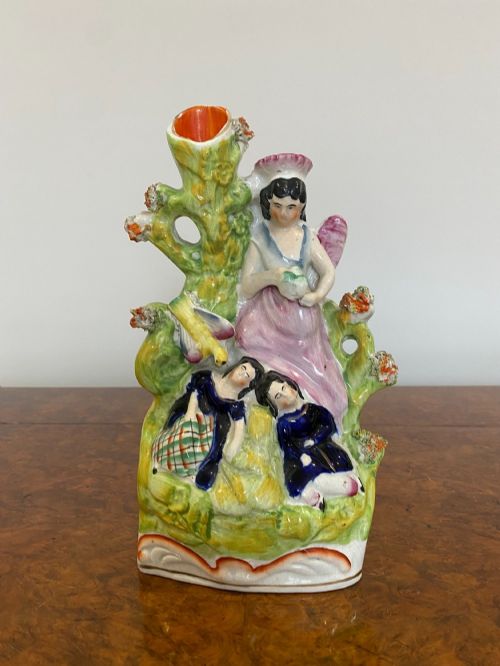
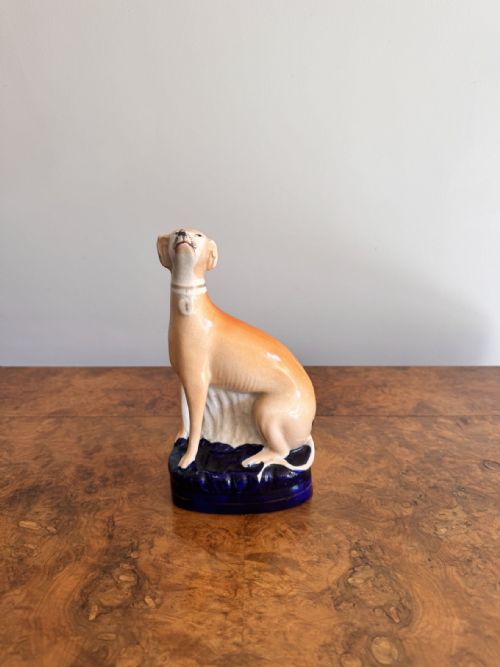
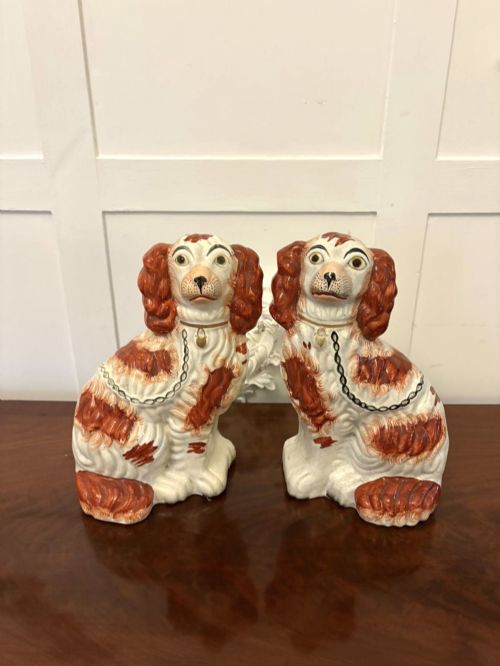
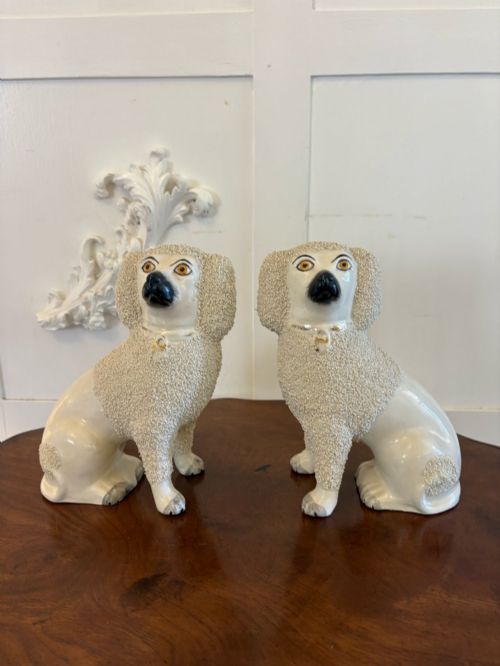
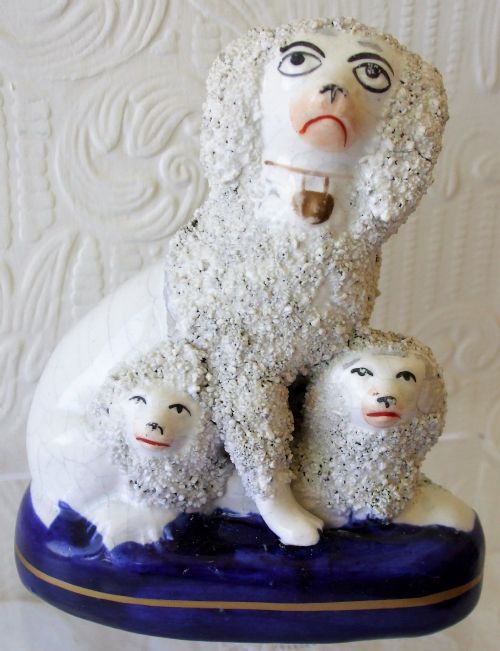
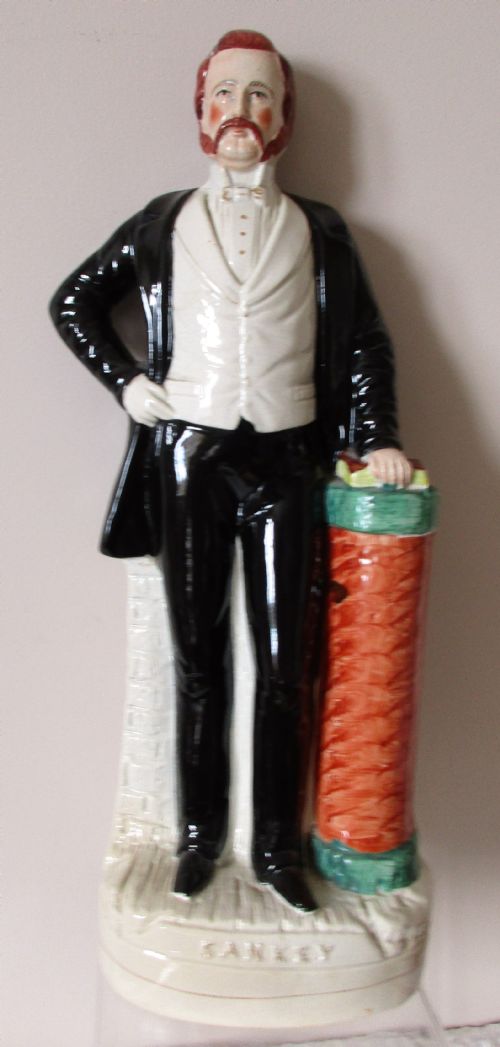
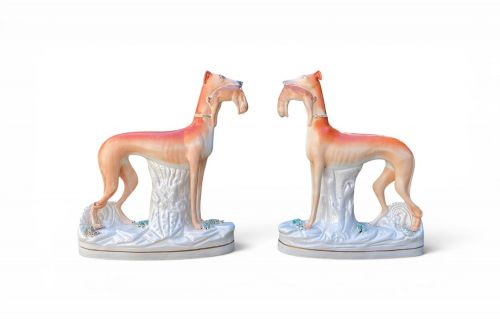
A pottery mantelpiece figure covers everything from flatback portraits of royalty and historical figures to pairs of seated dogs, lions, and spill vases designed to sit atop a fireplace. The pieces you meet most often on this page belong to the 19th Century Victorian Staffordshire tradition, including flatbacks intended to be viewed from the front.
Makers produced these ornaments to decorate the homes of the middle classes, depicting animals like greyhounds, poodles, spaniels, and cats alongside country couples, musicians, and literary subjects. You will also find spill vases which combine the sculptural form of a deer or swan with a practical cylinder for holding matches.
Alongside English earthenware, the selection includes Japanese Satsuma vessels, Art Deco ceramic deer, and continental works by factories such as Royal Dux. These varied origins demonstrate how potters across different periods adapted sculptural ceramics for domestic display.
Materials and construction
Potters shaped these figures using earthenware, ceramic, and stoneware clays, frequently forming them in moulds before finishing them by hand. The bodies were then fired to create a stable base for subsequent decoration.
Surface treatment relied on lead glazes, enamel paints, and copper lustre to provide colour and sheen, sometimes enhanced with gold leaf highlights. Treacle glaze was also utilised to achieve a deep, dark brown finish on animal sculptures.
Pottery Mantelpiece Figure Retail Price Guide 2026
Typical asking prices for pottery mantelpiece figure among the pieces listed under this phrase on Sellingantiques today, from the lower quarter to the upper quarter. They describe what is for sale here now, not the wider market.
Listings feature earthenware, stoneware, and glazed ceramic forms spanning the Victorian era through the Art Deco period.
Distinctions in quality
Quality rests in the crispness of the moulding and the care taken with hand-painted facial expressions and details. Finer examples retain bright enamels and precise application of gold leaf without heavy smudging.
James Dudson·Royal Dux·Beswick
The Pottery Mantelpiece Figure Glossary
- Flatback
- A figure moulded with a detailed front and a plain, unadorned reverse because it was intended to stand against a wall on a mantelpiece.
- Spill vase
- A hollow ceramic vessel incorporating a sculptural figure alongside a tube designed to hold wooden spills for lighting fires.
- Treacle glaze
- A rich, dark brown translucent glaze used extensively on 19th-century earthenware figures to create a glossy finish.
- Copper lustre
- A metallic glaze technique that imparts an iridescent, copper-like sheen to the ceramic surface.
- Earthenware
- A porous pottery body fired at lower temperatures, requiring a glaze to render it impermeable to liquids.
Pottery Mantelpiece Figure: Frequently Asked Questions
What is a flatback figure?
A flatback figure is a ceramic ornament shaped with a fully detailed front and a flat, unpainted back. This design allowed the piece to sit flush against the wall of a fireplace mantel.
Potters adopted this method to save time and material while ensuring the ornament faced the room properly.
How were spill vases used?
Spill vases combined a decorative ceramic sculpture of an animal or person with an integrated cylindrical holder. Victorian households used them to store thin wooden spills for transferring a flame from the hearth to lamps or pipes.
They served a practical daily purpose while adding colour and narrative to the mantelpiece.
How do I date a Staffordshire figure?
Dating relies on observing the style of clothing, the modelling technique, and the type of glaze used. Pieces from the mid-19th century often feature hand-painted facial details and simple enamel colours on an earthenware body.
Marked pieces or specific historical subjects, such as contemporary portraits of royalty, also help narrow down the period of manufacture.
Where should I display my figures?
These pieces look best placed on mantelpieces, bookshelves, or side tables where their bright glazes and varied forms can be appreciated at eye level. Pairing matching animals together recreates their traditional symmetrical arrangement.
Keeping them out of direct, prolonged sunlight helps protect the hand-painted enamel colours over time.