

Portrait in Oil
Discover a portrait in oil capturing historical likenesses and rich textures across centuries of fine art tradition.
Portrait in Oil
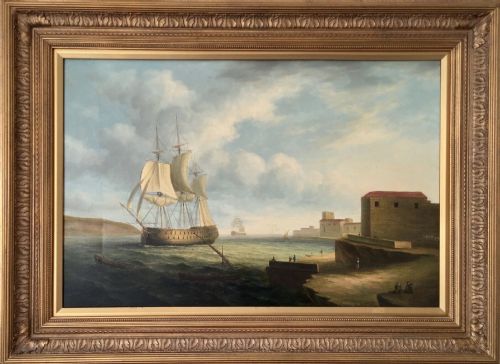
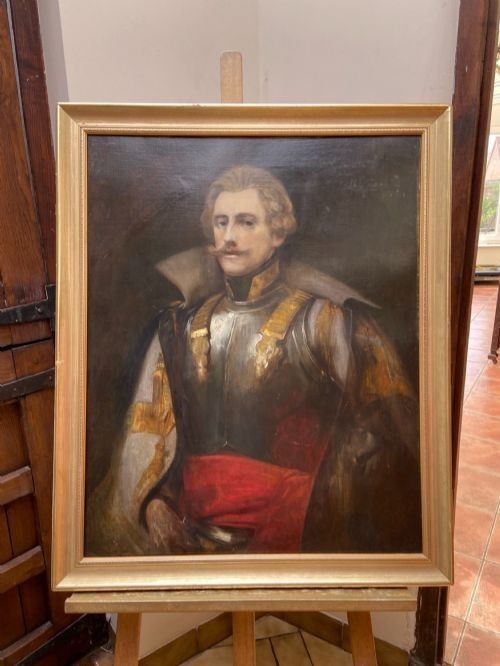
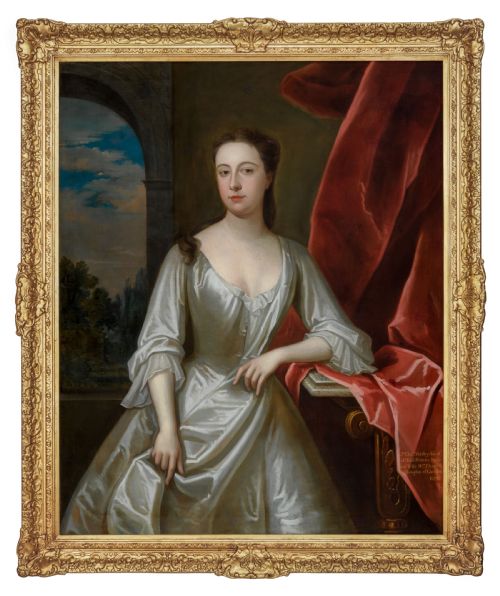
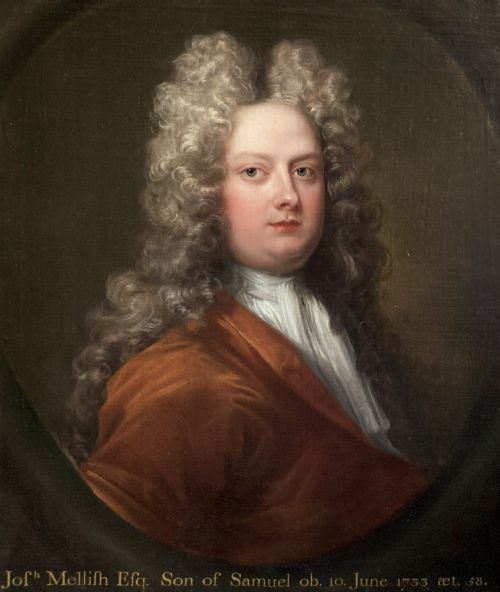
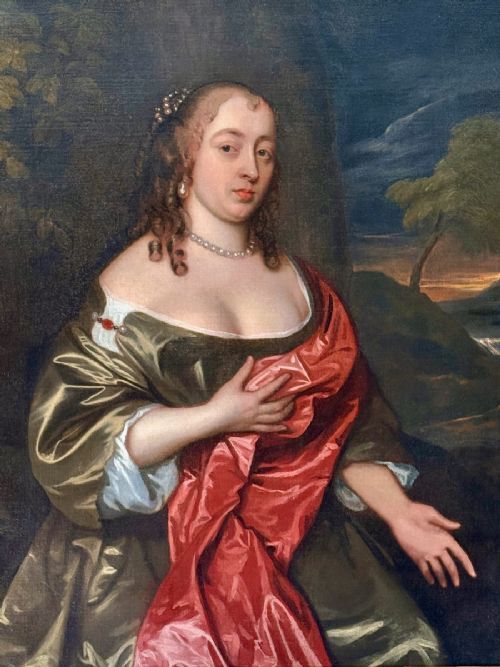
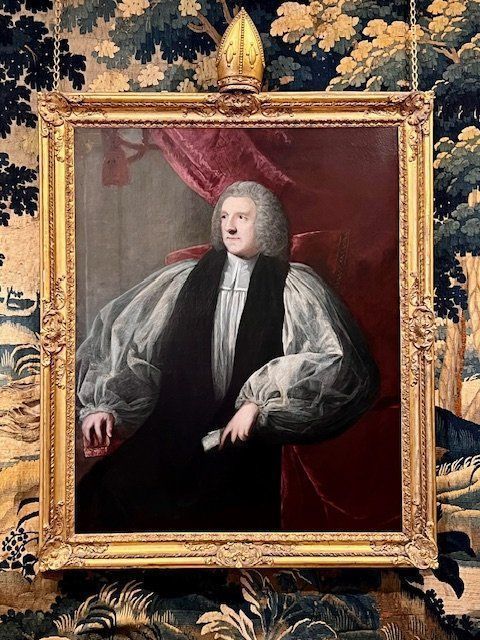
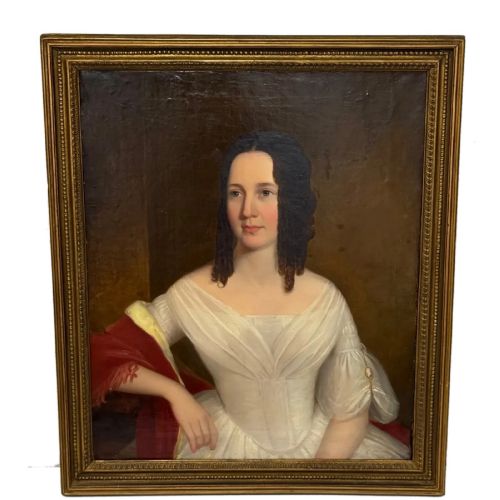
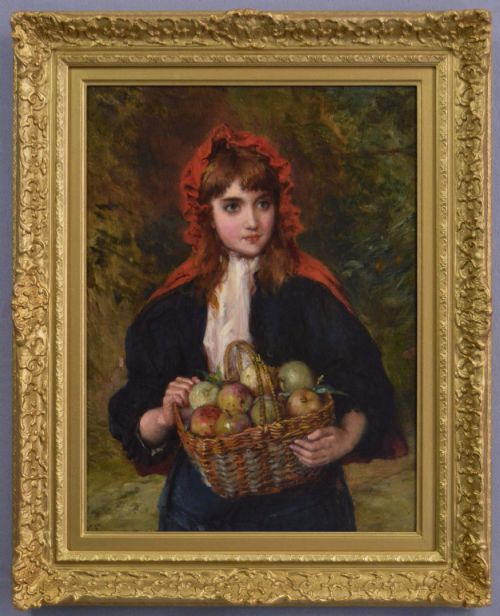
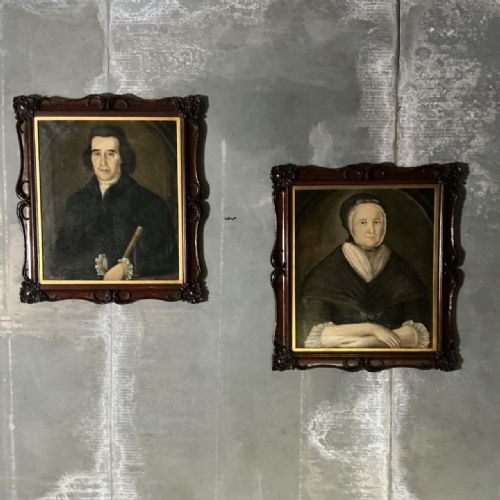
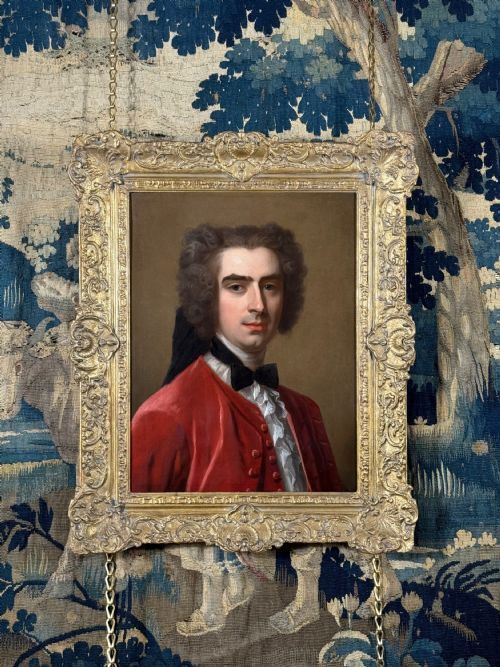
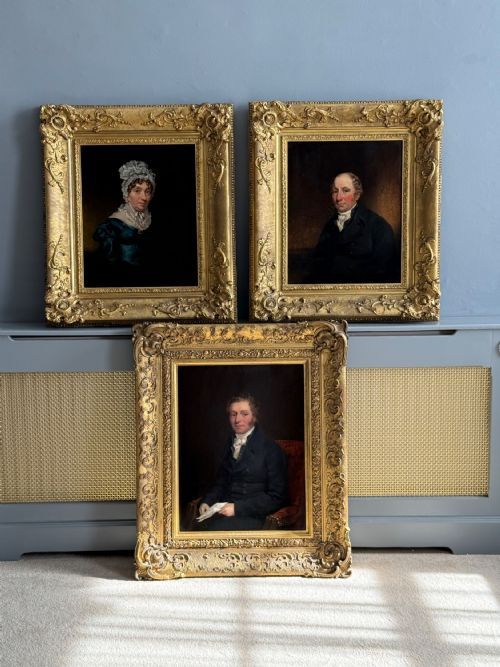
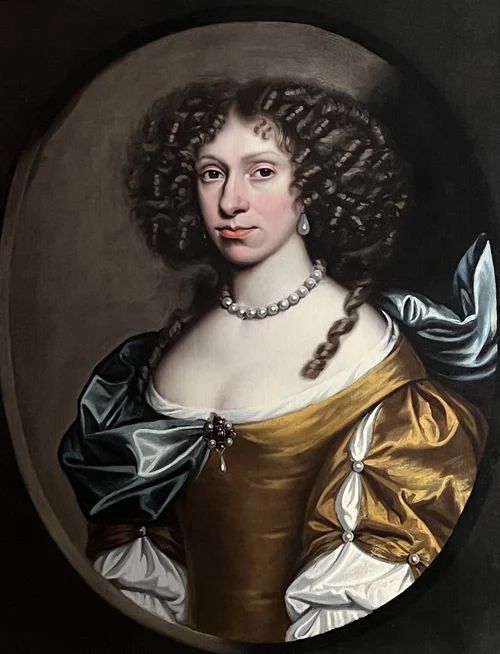
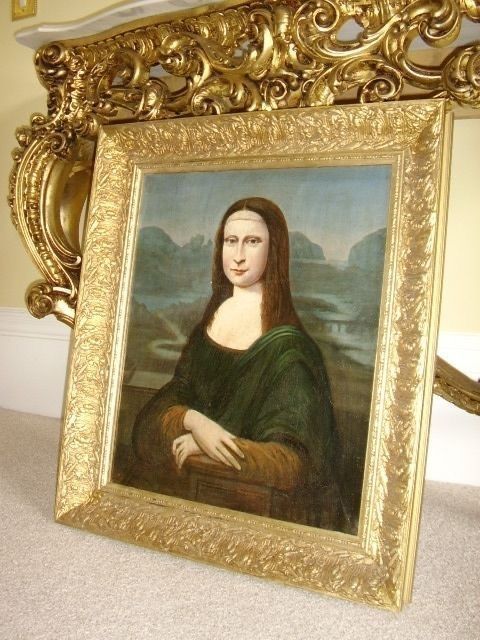
A portrait in oil represents historical sitters, nobility, and everyday subjects captured through centuries of artistic tradition. Buyers exploring this selection encounter works spanning from the seventeenth century through the Victorian era and into the mid-twentieth century.
How They Were Made
Artists applied rich oil paint to prepared canvas, wood panels, or vinyl canvas surfaces, often building depth through layered glazes and confident brushwork. Finished compositions were frequently housed within decorative giltwood frames and carved wooden surrounds finished with gold leaf.
Makers utilised traditional pigments bound in oil, working within established studio practices ranging from seventeenth-century court circles to nineteenth-century romanticism and impressionist techniques.
Listings feature works spanning the 17th, 18th, and 19th centuries, executed in oil on canvas, panel, and board.
What Varies in Quality
The preservation of the original paint surface and the authenticity of the accompanying period frame contribute significantly to the standing of an individual canvas or panel.
Sir Godfrey Kneller·Charles Jervas·Sir Joshua Reynolds·Jean-Baptiste Van Loo·William Oliver
The Portrait in Oil Glossary
- Oil on canvas
- A traditional painting medium where coloured pigments suspended in drying oils are applied to stretched woven fabric. This combination allowed artists to achieve rich tones and subtle blendings.
- Giltwood
- Carved wood decorated with gold leaf or gold paint, commonly used for traditional picture frames. It adds a warm, reflective border that complements the deep hues of historical paintings.
- Circle of
- A term used when a painting is produced by an unrecorded artist working closely alongside a known master. These pieces reflect the direct stylistic influence of a prominent painter's studio.
- Panel
- A flat wooden board prepared as a rigid support for painting before stretched canvas gained widespread favour. Panels offer a stable surface that preserves fine details over centuries.
Portrait in Oil: Frequently Asked Questions
How do I date an oil portrait?
Dating relies heavily on the sitter's costume, hair styling, and the framing techniques characteristic of specific decades. Examining the preparation of the canvas or panel also provides vital clues.
Secondary indicators include inscriptions, maker signatures, and stylistic markers associated with particular artistic schools active during the period.
What is the difference between canvas and panel portraits?
Canvas supports became dominant for larger formal works because woven fabric accommodated grand scales and expansive compositions. Wooden panels were frequently utilised for smaller or earlier works, offering a rigid base.
Both surfaces require careful environmental controls to prevent warping or paint cracking over long periods.
How should I hang and light an oil painting?
Paintings executed in oil should be positioned away from direct sunlight and steady moisture sources to protect the canvas and pigments. Stable interior wall placements prevent temperature fluctuations that stress the wood or fabric.
Warm picture lights or gentle ambient illumination highlight the depth of the varnish without generating harmful heat.
What does attribution to a studio mean?
Attributions noting a studio or circle indicate that the work was created by assistants or followers under the general influence of a master painter. These pieces share the technical vocabulary and aesthetic of the primary artist.
Such works offer an accessible way to acquire the visual style of renowned historical portraitists.