



Porcelain Urn Lamp
Porcelain urn lamp designs combine centuries-old ceramic vessels with lighting fixtures, offering atmospheric illumination through converted antique vases.
Porcelain Urn Lamp
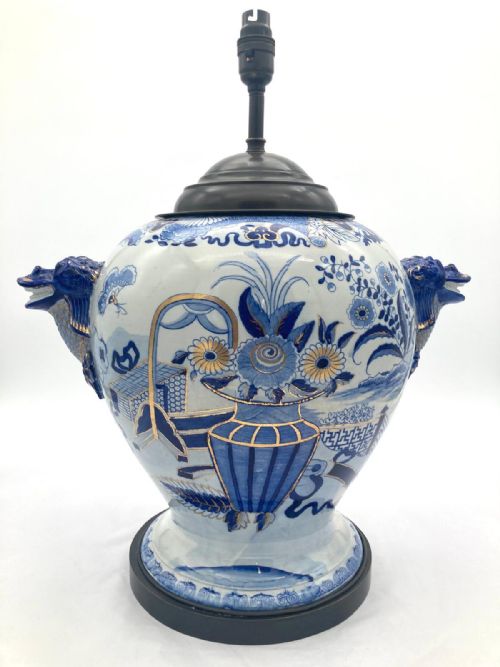
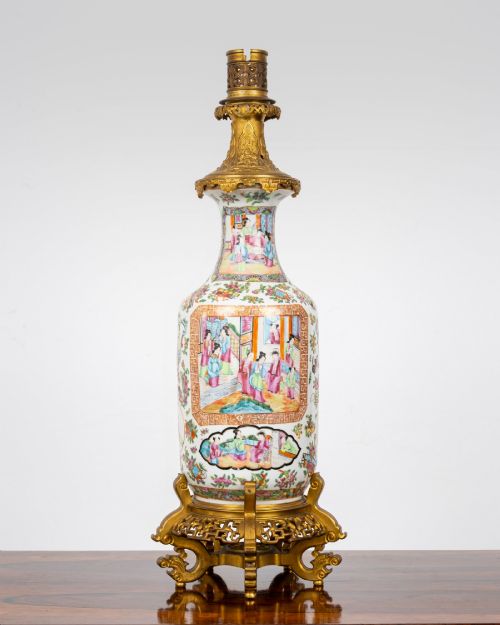
A porcelain urn lamp transforms historical ceramic vessels into functional lighting, bringing decorative ceramic forms into domestic interiors. These pieces typically originate from nineteenth-century European workshops or Asian kilns, spanning Chinese export porcelain and Japanese Satsuma wares.
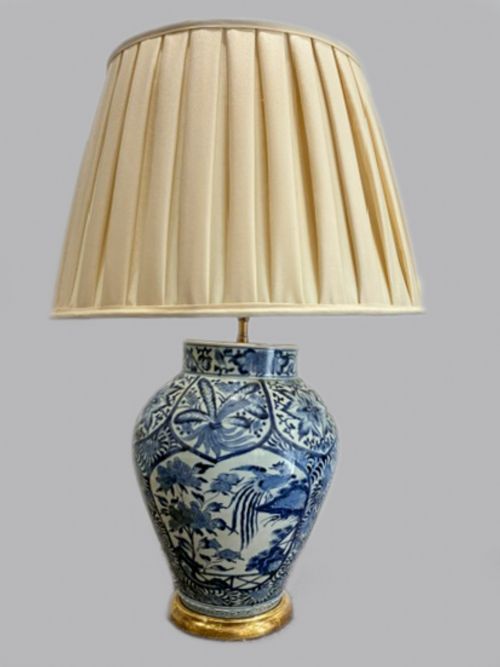
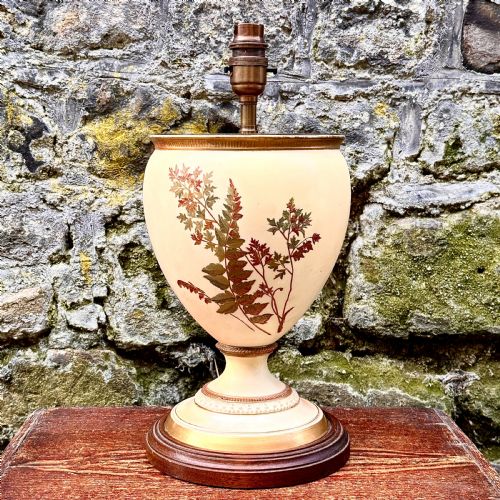
The conversion process adapts traditional vases, ginger jars, and lidded vessels into table lamps, often pairing the ceramic body with fabric shades and metal bases. Buyers encounter French Sevres style pieces alongside eighteenth-century blue and white vases and Victorian oil lamp adaptations.
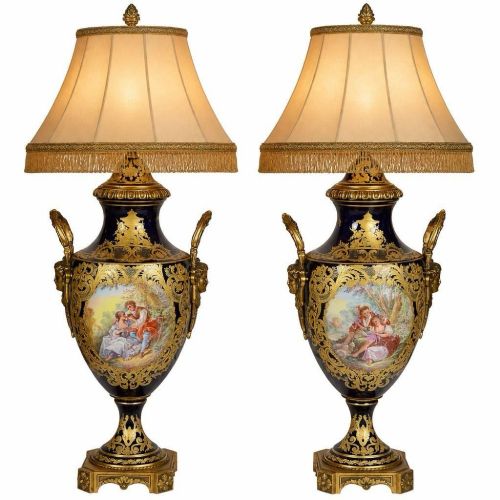
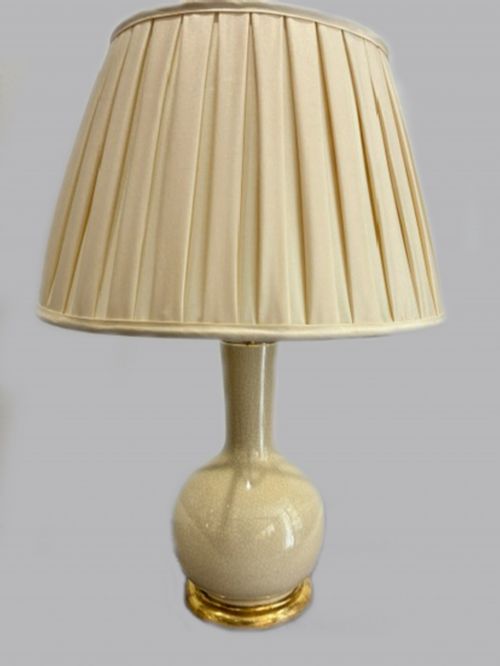
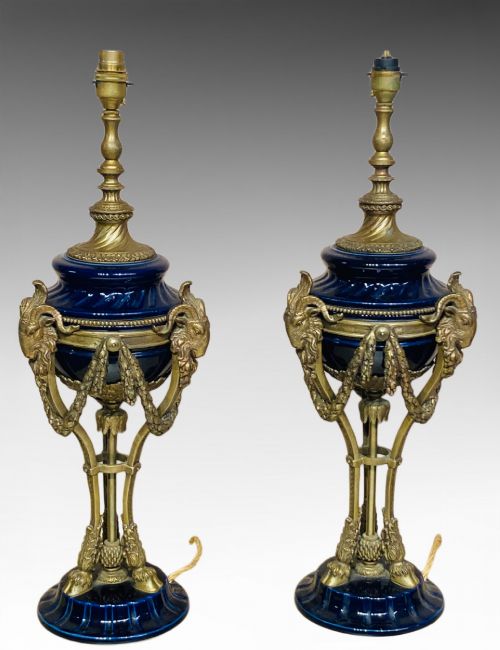
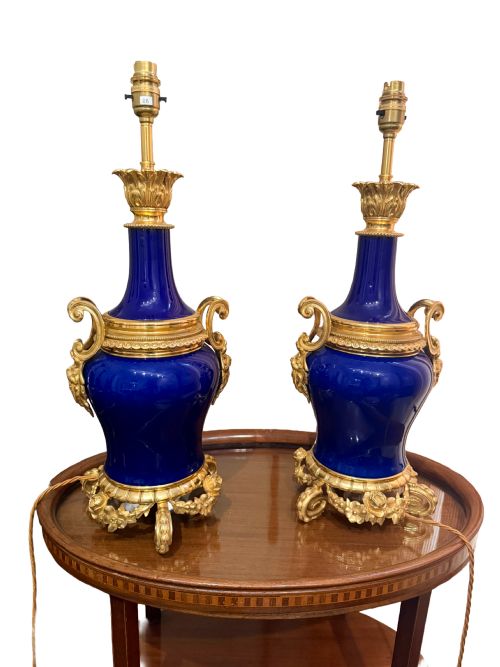
Formats range from petite single lamps to monumental pairs featuring crackle ware, celadon glazes, and hand-painted cobalt decorations. These items function as sculptural table lighting that anchors a room with historical character.
Materials and technique
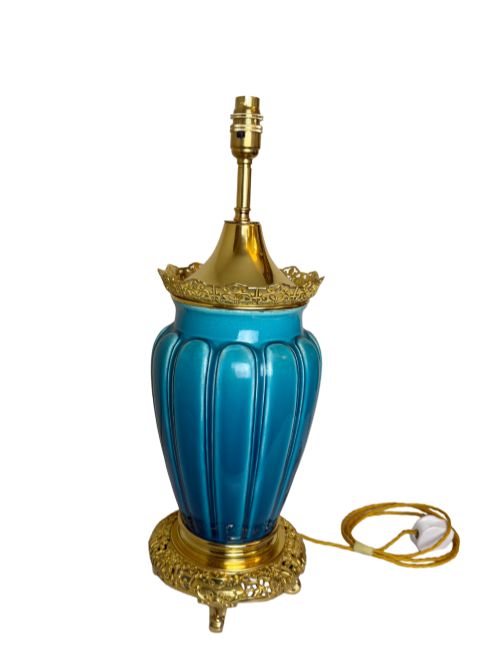
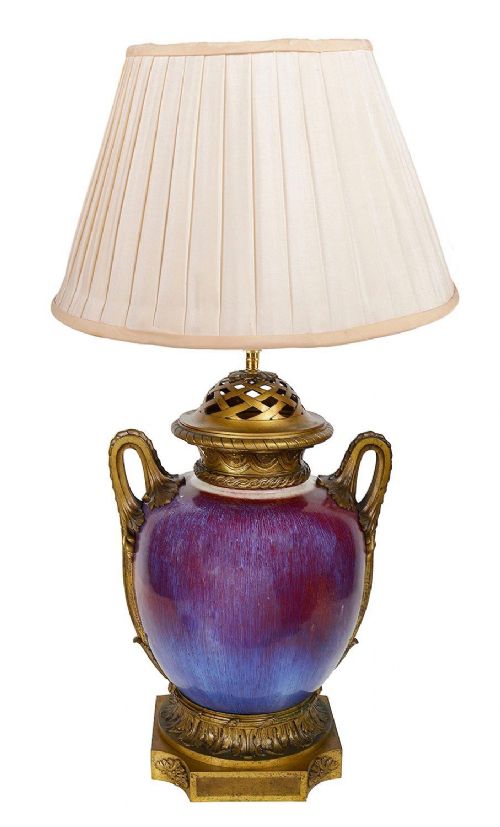
Ceramic bodies form the primary structure, utilising porcelain, ironstone, or delftware shaped through traditional throwing and moulding techniques. Artisans decorated these surfaces using hand-painted pigments, enamels, and specialised glazes such as sang de bouef and powdered blue.
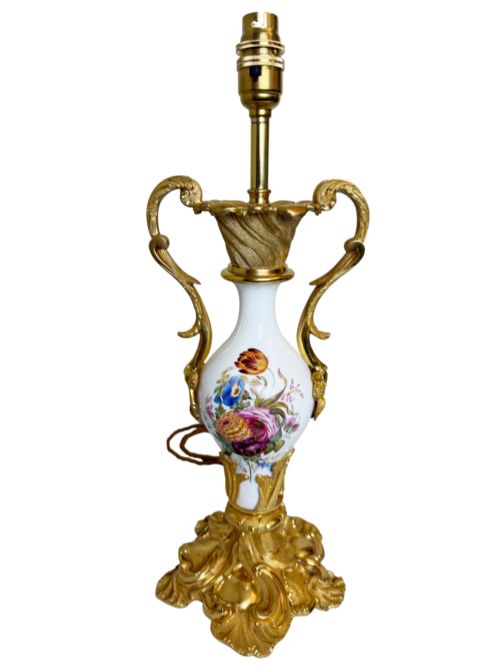
Metal mounts in gilt bronze, ormolu, and brass secure the ceramic vessel to a stable base while framing the upper wiring and bulb holder. Fabric components, including silk and handmade shades, complete the lighting assembly.
Current listings feature materials including porcelain, gilt bronze, ormolu, and silk across periods spanning the seventeenth to the twentieth century.
What varies in quality
The refinement of the hand-painted decoration separates standard production from superior pieces, with intricate brushwork and rich enamel layering indicating higher workshop standards. The harmony between the ceramic body and its metal mounts dictates the visual success of the conversion.
The integrity of the original ceramic vessel, whether an eighteenth-century Arita Imari jar or a nineteenth-century French porcelain urn, defines the piece's historical weight. Finer examples display crisper detailing in the ormolu mounts and a more balanced proportion within the assembled lamp structure.
Royal Worcester·Hicks and Meigh·Samson Porcelain
The Porcelain Urn Lamp Glossary
- Ormolu
- Gilded bronze mounts applied to furniture and ceramics. This technique provides decorative trim and structural support.
- Satsuma
- Japanese earthenware featuring a crackled ivory glaze and elaborate polychrome enamels. These pieces frequently depict figural scenes and floral motifs.
- Pate-sur-pate
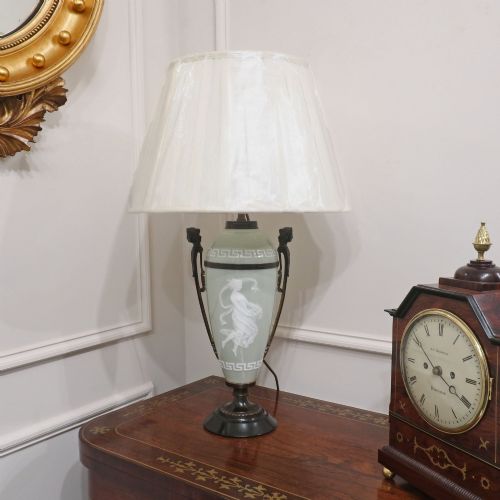
- A ceramic decoration method where wet porcelain slip is built up in successive layers to create a low relief cameo effect. This technique demands exceptional skill from the ceramic artist.
- Celadon
- A pale green jade-like glaze originating in Asian kilns. The subtle colour results from iron oxide interacting within a reduction kiln atmosphere.
- Ginger jar
- A high-shouldered ceramic storage vessel with a domed lid. These jars are commonly converted into table lamps.
Porcelain Urn Lamp: Frequently Asked Questions
How do I wire an antique lamp safely?
Rewiring involves replacing old internal cords with modern insulated cable while protecting the original ceramic body from damage. Professional electricians can thread the wiring through existing channels without altering the vessel.
Modern fittings ensure compliance with current safety standards while keeping the historical exterior intact for daily domestic use.
How are converted vases mounted?
Mounts utilise custom brass or ormolu collars that secure the lamp hardware to the top and base of the ceramic vessel. These fittings avoid permanent drilling where possible to preserve the underlying porcelain.
Felt pads and weighted bases provide stability on furniture surfaces.
What periods do these lamps date from?
The ceramic bodies span the seventeenth, eighteenth, and nineteenth centuries, with many conversions occurring during the Victorian and Edwardian eras. Later adaptations often utilise antique vases mounted with contemporary electrical components.
Style indicators like Chinoiserie and French Neoclassical design help establish the aesthetic period of the assembly.
How do I choose the right shade?
Shade selection depends on the scale of the porcelain urn and the room's lighting requirements. Silk and fabric shades in neutral tones complement hand-painted cobalt and gilt details without overwhelming the base.
Proportion remains key, ensuring the shade width matches the widest part of the ceramic body.