


Hand Painted Porcelain Light
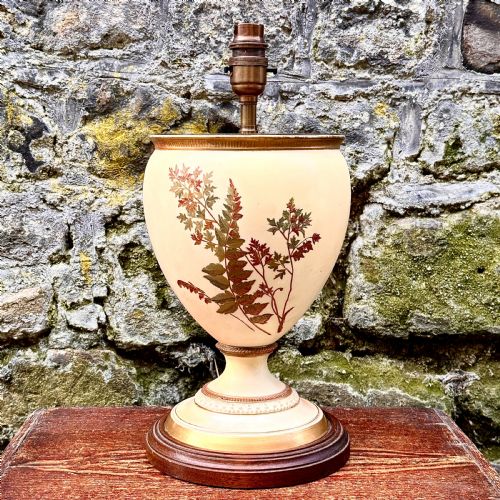
A hand painted porcelain light brings vibrant pigment and ceramic form together to illuminate a room with historical character.
Hand Painted Porcelain Light
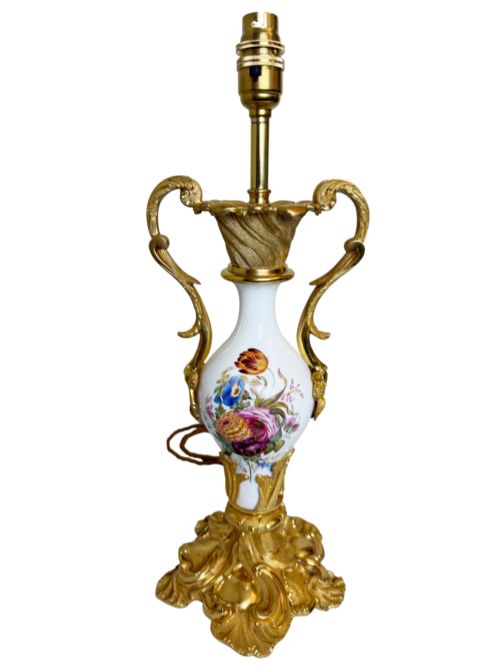
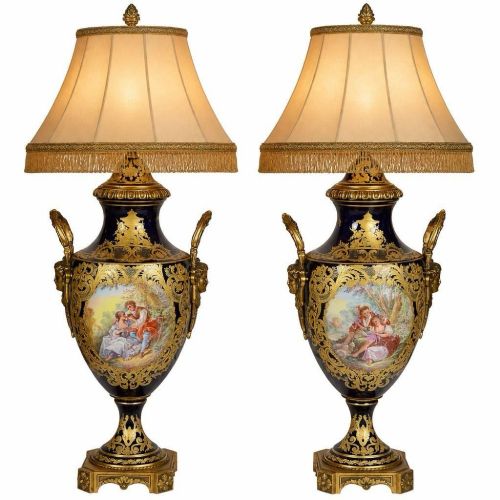
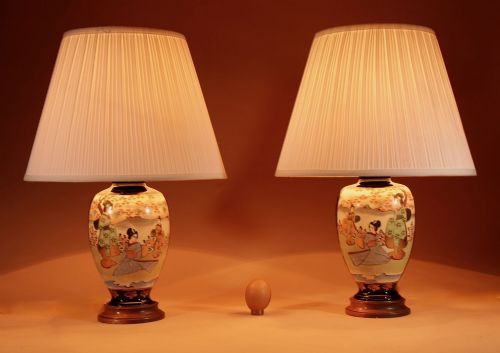
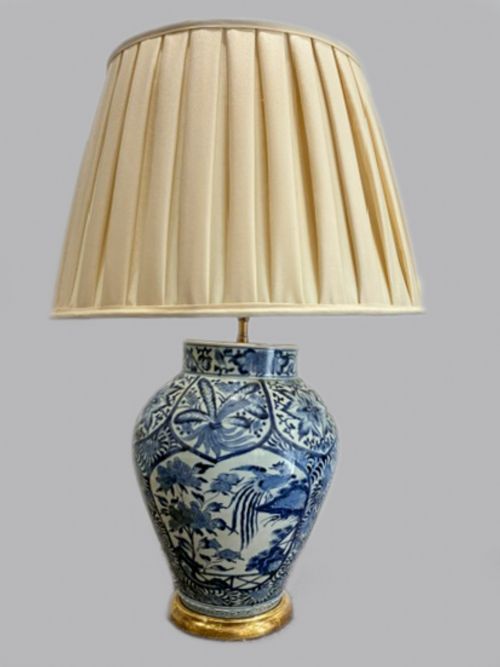
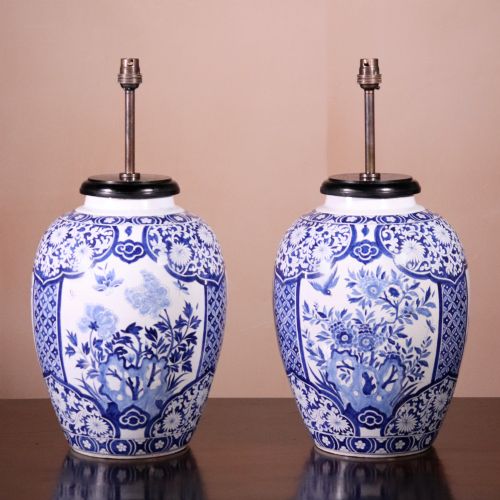
When you search for a hand painted porcelain light, you encounter a diverse array of converted vases, oil lamps, and candelabra drawn from centuries of ceramic tradition. The selection ranges from nineteenth-century Chinese ginger jars and export vessels to European porcelain bodies produced in French and English workshops.
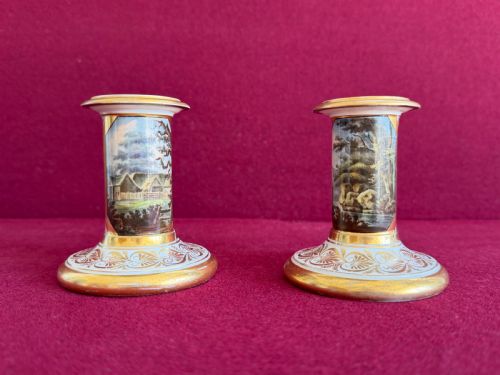
Table lamps dominate the available forms, frequently utilising nineteenth-century porcelain bodies paired with later electrical fittings. Many pieces began life as jars, vases, or candlesticks before conversion, bridging ancient ceramic artistry and modern interior illumination.
Origin points divide broadly between European factories and East Asian export wares. Chinese blue and white, Famille Verte, and Japanese Satsuma motifs appear alongside French Sevres and English Worcester bodies.
Quality and Execution
The precision of the brushwork defines the upper tier of these pieces, separating confident ceramic painting from mechanical reproduction. Hand-mixed glazes and depth of tone reveal the skill of the original decorator.
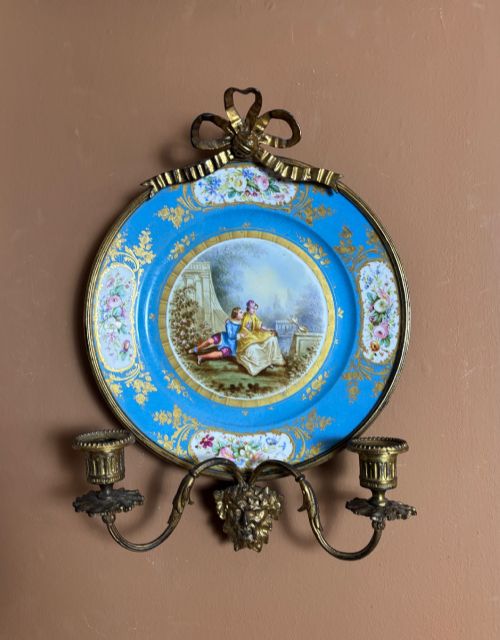
Mounting hardware contributes significantly to overall merit, with cast ormolu and heavy brass mounts showing sharper chasing and superior weight compared to simpler fittings. The harmony between the ceramic vessel and its metal mounts dictates visual success.
Listings span periods from the 17th Century to the Victorian era, utilising materials such as porcelain, brass, silk, and ormolu.
Royal Worcester·Barr Flight And Barr·Sitzendorf·Gien France
The Hand Painted Porcelain Light Glossary
- Famille Verte
- A Chinese porcelain palette dominated by green enamel overglaze colours. It frequently decorates nineteenth-century vases adapted as lamps.
- Ormolu
- Gilded bronze used for decorative mounts and bases. It frames porcelain bodies on many nineteenth-century French and English pieces.
- Imari
- A style of Japanese export porcelain featuring underglaze blue and iron red with supplementary gold. These vibrant patterns appear on seventeenth and eighteenth-century vessels.
- Ginger Jar
- A wide-shouldered ceramic storage jar originally used for spices. Converted ginger jars form a staple category of table lighting.
Hand Painted Porcelain Light: Frequently Asked Questions
How do I date a porcelain lamp?
Dating relies on stylistic clues in the ceramic body, glaze characteristics, and any painted factory marks underneath. Comparing the painting technique to known historical periods helps narrow down the origin.
Electrical components usually date from twentieth-century conversions rather than the period of the ceramic vessel. Inspecting the foot and base often reveals older potting methods.
Can I use these lamps safely today?
Most historical lamps require professional rewiring to meet modern electrical safety standards. A qualified electrician can replace old cords and lamp holders while preserving the antique body.
Ensure the converted vase or jar remains stable and upright with its mounting hardware securely fastened. Regular testing keeps vintage lighting functional in a modern home.
What is the difference between Chinese export and European porcelain?
Chinese export porcelain was produced in Asian kilns specifically for Western markets, featuring traditional motifs like Famille Rose or blue and white. European factories like Sevres and Worcester later imitated or reinterpreted these aesthetic traditions.
Clay composition, weight, and glaze texture help distinguish between Eastern potting styles and nineteenth-century European substitutes.
How should I clean a hand painted porcelain light?
Dust the porcelain gently with a dry microfibre cloth to protect the hand-painted enamel surface. Avoid harsh chemical cleaners that might degrade the historic glaze or pigments.
Metal mounts can be polished carefully with a dry cloth, taking care not to let abrasive liquids touch the surrounding ceramic body.