



Cream Glazed Ceramic Lamp
These cream glazed ceramic lamp options bring subtle texture and historical weight to a room through repurposed antique vessels and porcelain forms.
Cream Glazed Ceramic Lamp
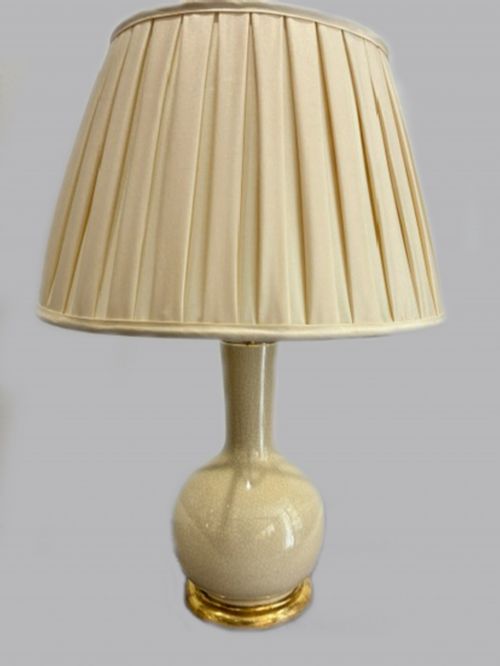
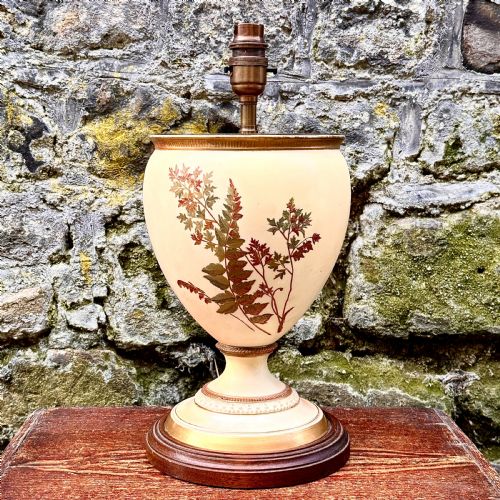
A cream glazed ceramic lamp typically takes the form of a repurposed antique vase, urn, or jar fitted for modern electrical use. When you search for a cream glazed ceramic lamp, you encounter pieces that translate centuries-old East Asian and European ceramic traditions into functional domestic lighting.
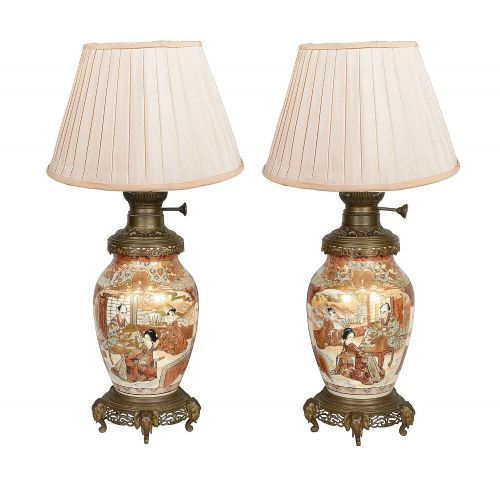
The selections on this page draw heavily from nineteenth-century Chinese export wares, Japanese Satsuma and Meiji periods, and early twentieth-century European pottery. You will frequently find crackleware finishes, blanc de chine figures like Shi Lions, and solid earthenware bodies adapted as table lamps.
Materials and construction
Potters shaped these bodies from earthenware and porcelain before applying pale crackled or uniform cream glazes by hand. Kiln temperatures and mineral content within the glaze produced the characteristic fine networks of crazing seen across nineteenth-century and Edwardian examples.
Makers often mounted these ceramic vessels onto brass, gilt metal, or wooden bases to provide stability for table use. Wiring and electrical components were added later during conversion, while shades typically employ silk, fabric, or matching textiles.
Cream Glazed Ceramic Lamp Retail Price Guide 2026
Typical asking prices for cream glazed ceramic lamp among the pieces listed under this phrase on Sellingantiques today, from the lower quarter to the upper quarter. They describe what is for sale here now, not the wider market.
Current listings incorporate nineteenth-century Chinese crackleware alongside Art Deco pieces from Denby Ware and French makers.
What distinguishes finer examples
Quality rests in the crispness of the original ceramic moulding and the complexity of the glaze chemistry. Finer vessels display controlled crackle patterns and well-defined relief work rather than flat, muddy surfaces.
The integrity of the conversion work also dictates value, where secure mounting hardware protects the underlying antique ceramic body without causing stress fractures. Balance and proportion between the ceramic base and the overall silhouette separate superior examples from clumsy adaptations.
The Cream Glazed Ceramic Lamp Glossary
- Blanc de Chine
- A type of white porcelain made in Dehua, China, known for its milky cream glaze. It frequently appears on figures such as Shi Lions.
- Crackleware
- Pottery featuring a network of fine cracks intentionally created in the glaze during cooling. This finish is a hallmark of nineteenth-century Chinese and Japanese export pieces.
- Satsuma
- Japanese earthenware pottery decorated with intricate enamel patterns over a cream crackle glaze. These wares date from the Meiji period and earlier.
- Veilleuse
- A French night light or small heating lamp ceramic form. Art Deco examples utilise this traditional shape for decorative ambient lighting.
Cream Glazed Ceramic Lamp: Frequently Asked Questions
How do I clean my ceramic lamp?
Dust the ceramic body gently with a dry, soft microfiber cloth to prevent grit from scratching the glaze. Avoid harsh chemical cleaners that might degrade the aged surface.
Keep fabric shades separate when cleaning and brush them lightly to remove accumulated particles. Ensure the lamp remains unplugged throughout any maintenance.
Are these lamps converted vases?
Many examples begin life as nineteenth-century vases, ginger jars, or decorative vessels before conversion into table lamps. Artisans drill the ceramic base to run wiring, attaching metal or wooden fittings to secure the bulb holder.
This practice preserves antique porcelain and earthenware by giving them a practical daily purpose in modern interiors. The conversion style often reflects the era in which the adaptation took place.
How do I date an antique lamp?
Examine the base material, glaze characteristics, and any underlying potter marks to determine the manufacturing period. Nineteenth-century pieces often display characteristic crazing and hand-finished mounting hardware.
Compare the style of the ceramic body against documented export wares from periods such as the Japanese Meiji era or Edwardian England. Electrical components are usually modern replacements added during conversion.
Where should I place a ceramic lamp?
Position the lamp on a sturdy sideboard, desk, or bedside table where the neutral cream tones can complement surrounding woodwork and textiles. Ensure the cord reaches a wall outlet safely without tension on the converted base.
Keep the piece away from damp areas and direct heat sources to protect both the antique ceramic body and the surrounding glaze.