




Edwardian Urn Desk Lamp
These edwardian urn desk lamp examples bring classic form and warm illumination to a room, combining period lighting utility with sculptural presence.
Edwardian Urn Desk Lamp
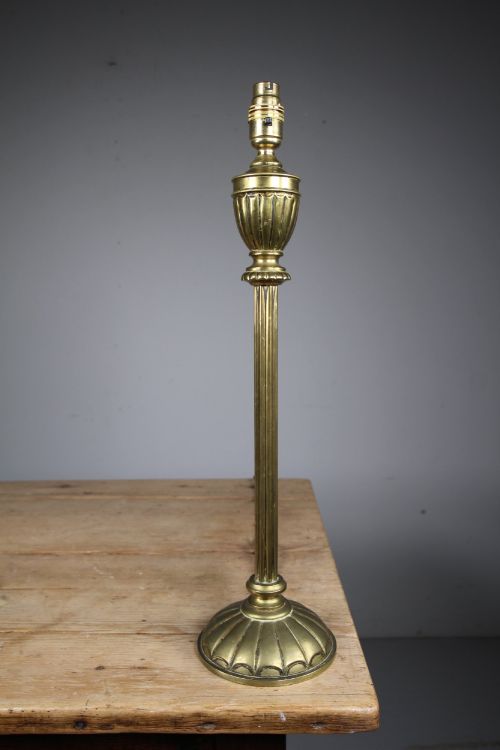
When searching for an edwardian urn desk lamp, buyers encounter lighting pieces rooted in the Edwardian era alongside surrounding periods like the late 19th century and the 1920s. These items take the form of table lamps and vase lamps, channelling classical and revivalist designs into functional home illumination.
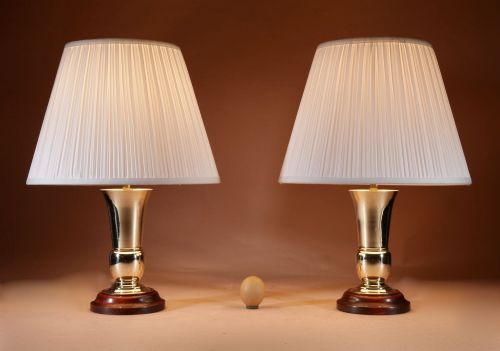
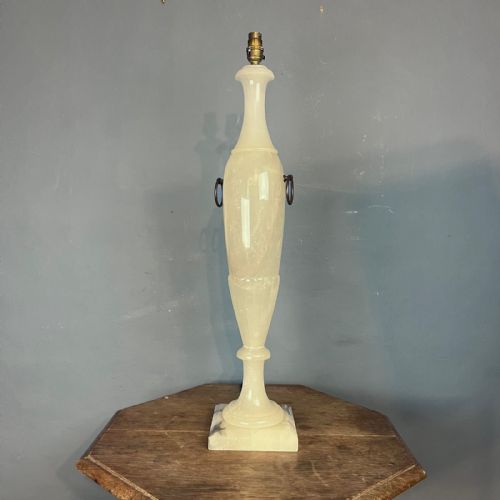
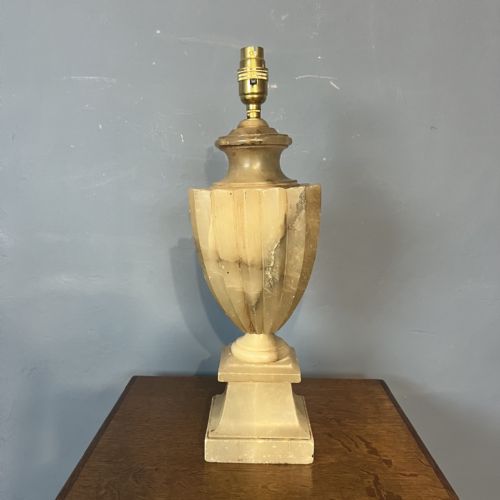
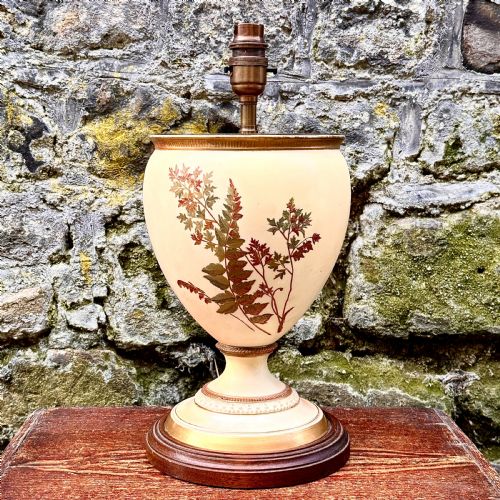
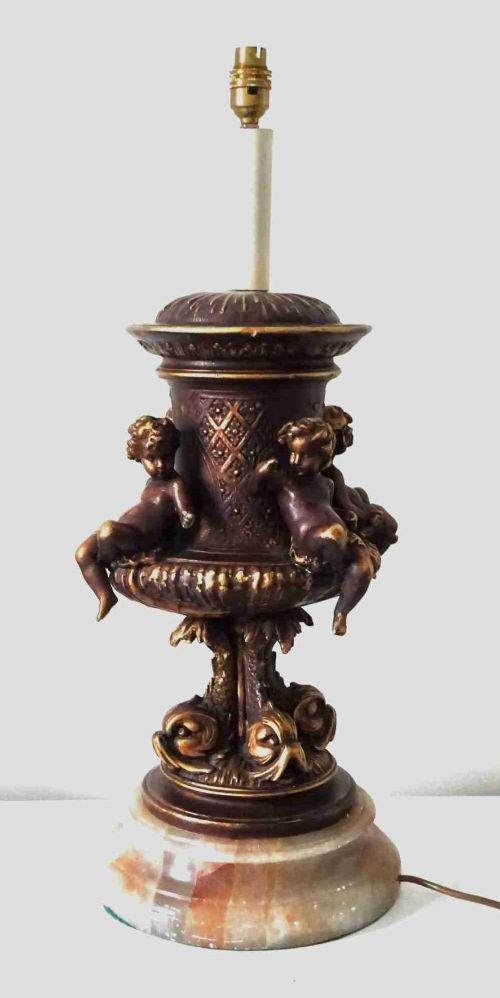
The versions most commonly met on this page utilise materials such as brass, gilt metal, alabaster, white onyx, and porcelain. Styles span from Rococo Revival and French Empire to Art Nouveau and Neoclassical Revival, reflecting the diverse aesthetic preferences of the early twentieth century.
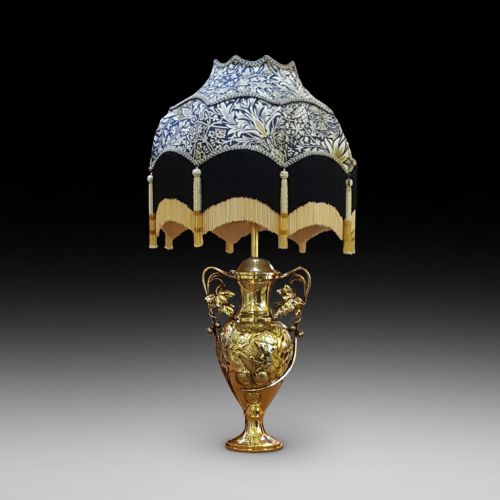
Many of these lamps adapt decorative vessels into lighting, often paired with fabric shades to diffuse light softly across a desk or table. Collectors value them for their solid construction and the tactile quality of their stone and metal bodies.
How they were made
Makers utilised cast and chased brass or gilt metal to form the structural bodies and mounts of these lamps. Metalworking techniques allowed for intricate surface detailing, drawing heavily on classical ornamentation.
Natural stones such as alabaster and white onyx were turned and polished to create smooth, translucent urn and vessel shapes. These stone components highlight natural veining and require careful lathe work to achieve balanced proportions.
Edwardian Urn Desk Lamp Retail Price Guide 2026
Typical asking prices for edwardian urn desk lamp among the pieces listed under this phrase on Sellingantiques today, from the lower quarter to the upper quarter. They describe what is for sale here now, not the wider market.
Styles represented include Neoclassical Revival, Art Nouveau, and French Empire alongside standard Edwardian designs.
What varies in quality
Quality rests on the weight and precision of the materials used, distinguishing solid cast metal and finely turned alabaster from lighter, simpler assemblies. Heavier gauge brass and denser stone bases offer better stability and a more substantial presence on a desk.
The refinement of the surface ornament dictates the tier of the piece. Crisp chasing on metal mounts and sophisticated glazing on porcelain bodies separate standard production items from finer studio or factory output.
Royal Worcester·Comyns
The Edwardian Urn Desk Lamp Glossary
- Edwardian
- Pertaining to the reign of King Edward VII, spanning from 1901 to 1910, though the term often encompasses the broader stylistic period up to the First World War. This era favoured lighter, more refined domestic interiors compared to heavy Victorian rooms.
- Alabaster
- A fine-grained, translucent stone used extensively for carving decorative vessels and lamp bodies. Its natural softness allows for delicate turning and polishing.
- Gilt Metal
- Base metal treated with a thin layer of gold or gold-coloured wash to simulate solid or fire-gilt bronze. It provided a luxurious appearance at a lower cost.
- Neoclassical Revival
- A decorative style drawing inspiration from classical Greek and Roman architecture and art. It emphasises symmetry, proportion, and traditional motifs such as urns and swags.
Edwardian Urn Desk Lamp: Frequently Asked Questions
What is an edwardian urn desk lamp?
An edwardian urn desk lamp is a decorative lighting fixture, typically created by converting an urn-shaped vessel from the early twentieth century into a table lamp. These pieces often feature classical motifs and materials such as brass, alabaster, or porcelain.
They serve both as functional task lighting and as sculptural focal points on a desk or side table, bringing period character to an interior.
How do I date an edwardian urn desk lamp?
Dating involves examining the materials, wiring methods, and manufacturing techniques characteristic of the early 1900s. Stylistic cues such as Neoclassical or Art Nouveau details help narrow the period.
Makers' marks or stamps on metal and ceramic components also provide definitive clues to the exact workshop or pottery of origin.
Can I use modern bulbs in these lamps?
Most antique lamps accommodate modern LED or standard bulbs once the internal wiring has been updated to meet contemporary safety standards. Many examples have already been rewired for modern use.
It is advisable to check the lamp holder and wiring with a professional electrician before regular daily use.
Where should I place an urn lamp?
These lamps suit studies, libraries, and living rooms where their classical silhouettes can be appreciated up close. They work well on sturdy desks, sideboards, or large tables.
Pairing them with an appropriate fabric shade ensures a warm, balanced pool of light suited to reading or ambient room illumination.