


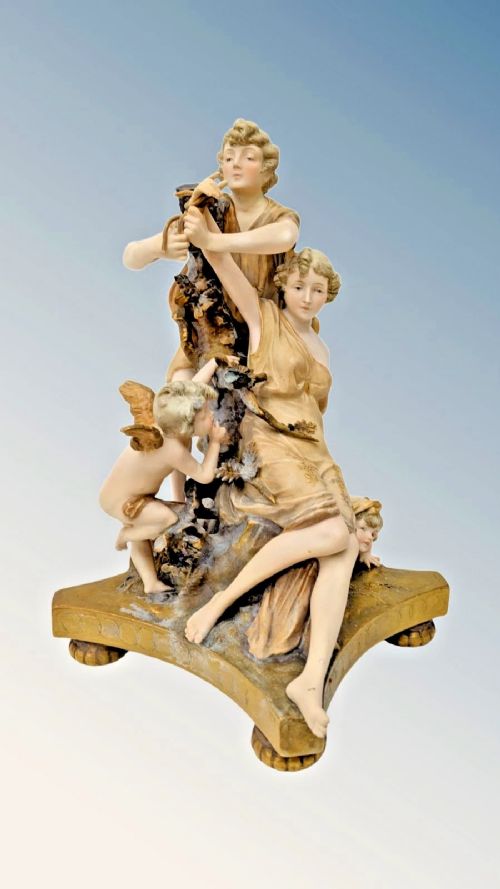


Porcelain Putto Figure
A porcelain putto figure brings domestic Rococo charm to a mantelpiece, depicting winged infants shaped by eighteenth and nineteenth-century European kilns.
Porcelain Putto Figure
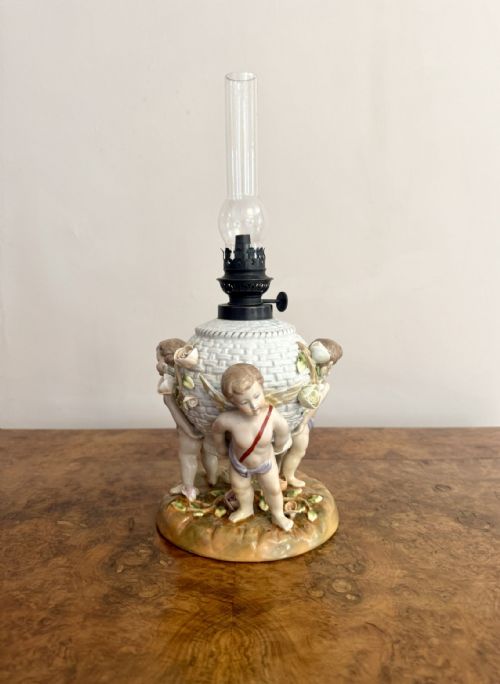
When you search for a porcelain putto figure, you encounter freestanding sculptures, candlesticks, clocks and oil lamps spanning the eighteenth, nineteenth and early twentieth centuries. These pieces represent winged cherubs or cupids modelled in soft-paste and hard-paste porcelain, originating primarily from English and continental European factories.
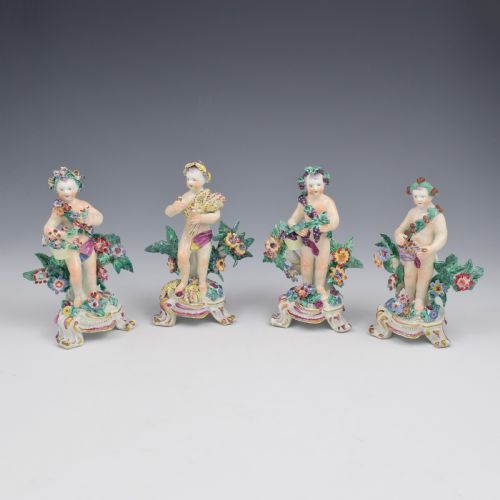
The versions most commonly met on this page include eighteenth-century Georgian figures from Bow and Derby, alongside nineteenth-century continental works from Meissen, Sitzendorf and Volkstedt. They appear individually or in series representing themes such as the seasons, elements or allegorical subjects.
How they were made
Makers utilised hard-paste and soft-paste porcelain bodies, shaped by pressing clay into moulds and finishing details by hand before high-temperature firing. Sculptors applied liquid glaze to seal the ceramic body, achieving either a glossy finish or the matte texture characteristic of biscuit porcelain.
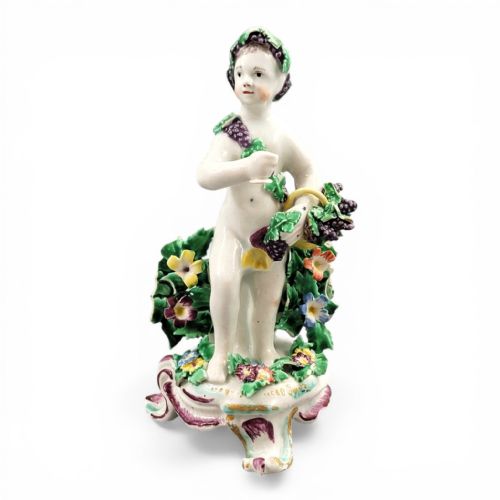
Painters decorated the fired surfaces using enamel pigments and gold leaf or gilding applied to highlights, garments and bases. Metal components such as gilt bronze mounts occasionally frame these figures when incorporated into lamps, clocks and candlesticks.
The documented forms span standalone figurines, candlesticks, mantel clocks, oil lamps and centrepiece vases from English and German factories.
What varies in quality
The refinement of modelling distinguishes superior examples, where facial expressions, finger placement and wing feathering remain sharp and individual rather than softened by worn moulds. Superior pieces display delicate, controlled underglaze and enamel painting that accentuates anatomical contours without heavy outlining.
Early eighteenth-century examples from established factories demonstrate greater artistic ambition in composition and form compared to later mass-produced Victorian or revival pieces. The integration of secondary materials, such as gilt bronze bases and fittings, also reflects the higher tier of production.
Sitzendorf·Royal Dux Bohemia·Meissen·Edme Samson·Royal Worcester·Minton·Volkstedt·Triebner ENS and Eckert·Johann Joachim Kandler·Phillipe H Mourey·Paul Scheurich
The Porcelain Putto Figure Glossary
- Putto
- A representation of a plump, naked winged infant, frequently seen in Renaissance and later decorative art. These figures often double as cupids or allegorical representations of seasons.
- Biscuit Porcelain
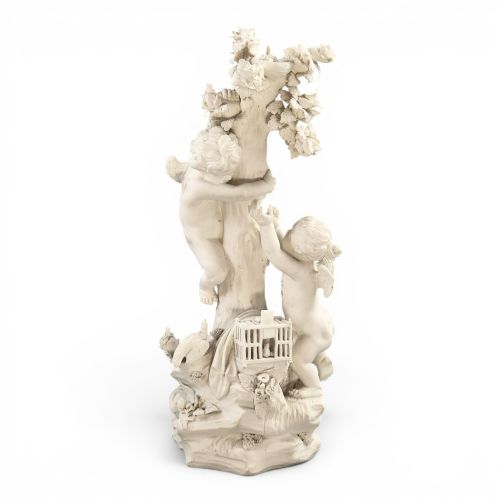
- Unglazed ceramic fired to a matte, porous finish that resembles fine marble. This technique gained favour at factories like Derby for capturing crisp sculptural detail.
- Soft-Paste Porcelain
- An artificial ceramic body composed of glass, clay and frit, fired at lower temperatures than hard-paste porcelain. It produces a warm, creamy translucent texture typical of eighteenth-century English works.
- Enamel
- Opaque vitreous pigment fused to the porcelain surface during a secondary firing. It provides the vibrant polychrome colour found on garments, flowers and bases.
- Gilt Bronze
- Bronze metal treated with a gold amalgam or leaf finish to create metallic mounts. It appears on clocks, lamps and bases paired with nineteenth-century porcelain figures.
Porcelain Putto Figure: Frequently Asked Questions
How do I clean a porcelain putto figure?
Dust these delicate figures gently with a soft dry brush to prevent accumulation in crevices and painted folds.
Avoid immersing antique glazed pieces in water, particularly those with delicate enamel or gilt highlights that may lift.
Are these figures marked on the base?
Many European and English factories stamped, painted or incised factory marks into the unglazed underside before final firing.
Unmarked pieces frequently rely on stylistic traits, paste composition and modelling quality to determine their origin.
What is the difference between hard-paste and soft-paste?
Hard-paste porcelain combines kaolin and petuntse to create a durable, vitrified body fired at extremely high kiln temperatures.
Soft-paste utilises glass and white clay substitutes, yielding a softer texture and a warmer tone beneath the glaze.
How were putto figures used originally?
Eighteenth-century examples often decorated formal dining tables as sweetmeat holders or stood as ornamental mantel garnitures.
By the nineteenth century, makers integrated these figures into functional objects including clocks, lamps and candlesticks.