


Porcelain Panel Clock
These porcelain panel clocks combine precision timekeeping with hand-painted ceramic plaques, offering a distinct nineteenth-century ornamental presence for a mantel or desk.
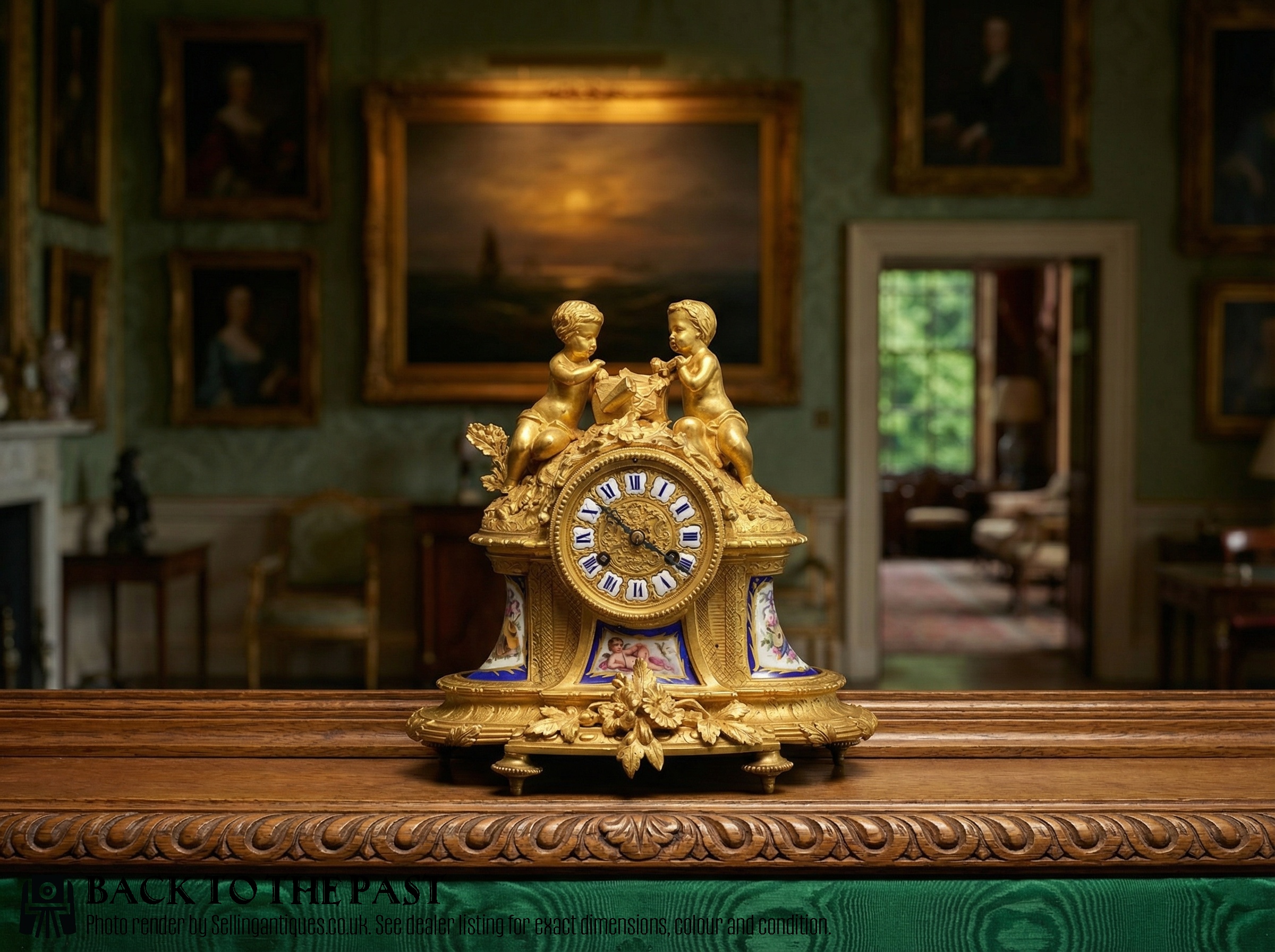
Porcelain Panel Clock
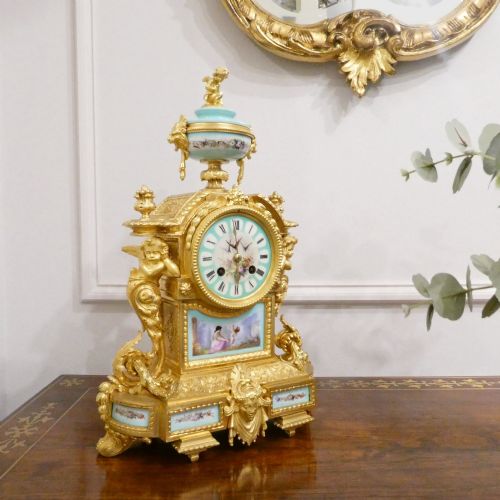
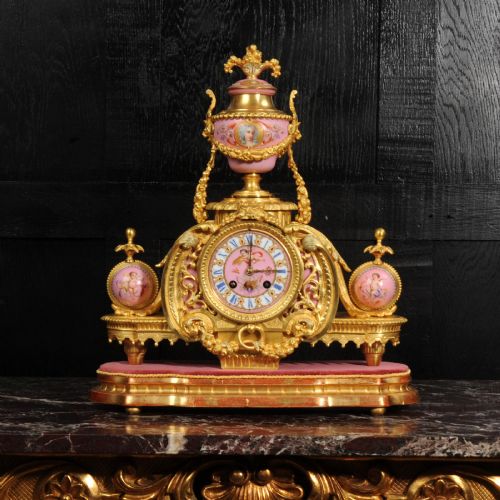
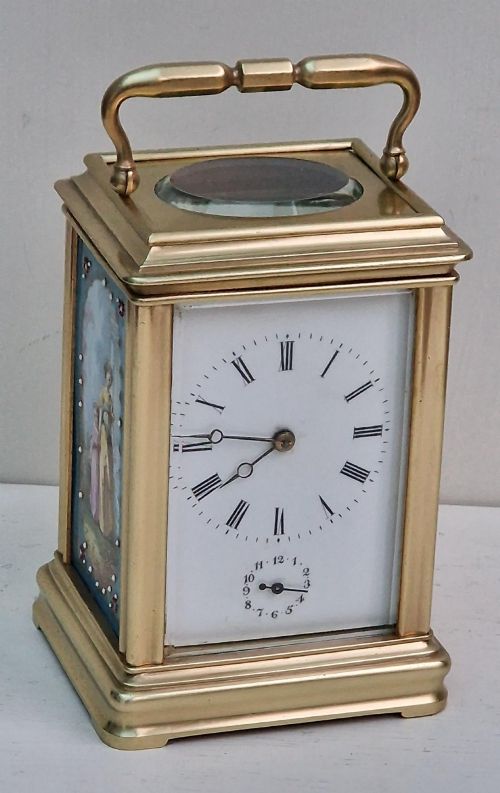
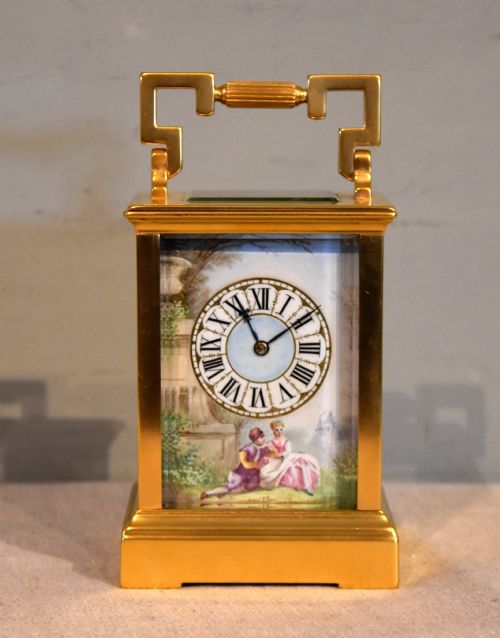
A porcelain panel clock unites a metal housing with ceramic inserts, taking the form of mantel clocks, carriage clocks, crystal regulators, and occasional garniture sets. These pieces date predominantly to the nineteenth century, spanning Victorian periods and specific decades from eighteen fifty to eighteen ninety.
Mantel variations often combine gilt bronze or ormolu mounts with ceramic dials and painted plaques, sometimes accompanied by matching side urns in a clock set. Carriage versions house the movement in a brass or gilded frame fitted with glazed or solid ceramic panels.
French workshops dominate the origins of these items, showing influences from the Second Empire, Rococo Revival, and Louis XVI revival styles. Buyers encounter both large mantel pieces and smaller portable timepieces or crystal regulators featuring visible glass surrounds.
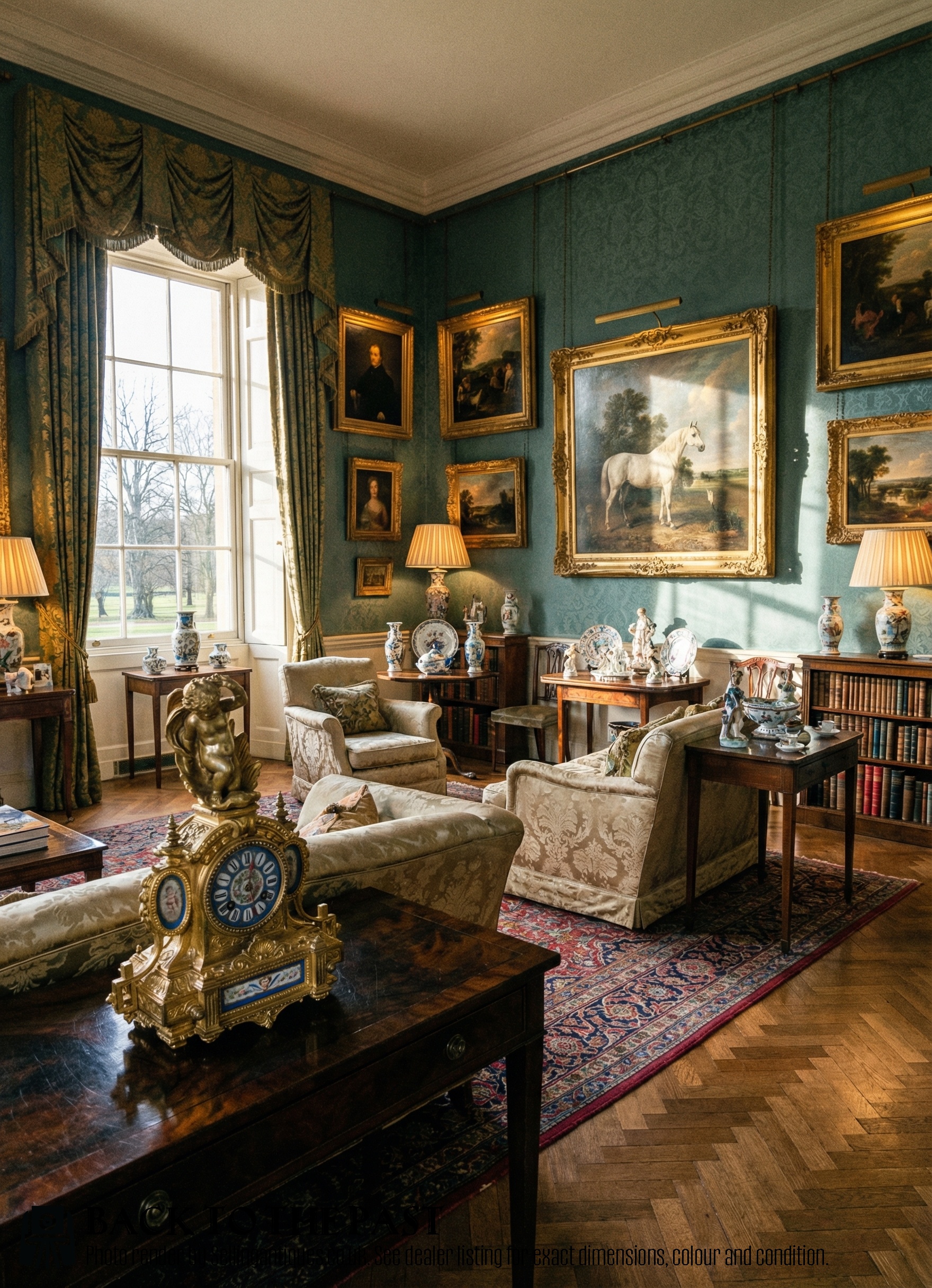
Materials and Construction
Makers utilised gilt bronze, ormolu, brass, and silvered bronze to form the structural cases and mountings of these pieces. These metal frames often received fire-gilding or polished finishes to frame the ceramic elements securely.
Hard-paste ceramic plaques and dials provided the canvas for hand-painted scenes, floral motifs, or portraits, drawing on traditions associated with Sèvres or general factory styles. Glass panels also appeared in carriage clocks and crystal regulators to display the interior mechanisms.
Movements relied on brass gear trains, escapements, and strike mechanisms, sometimes incorporating repeater functions or bell-striking capabilities housed within heavy metal plates.
Porcelain Panel Clock Retail Price Guide 2026
Typical asking prices for porcelain panel clock among the pieces listed under this phrase on Sellingantiques today, from the lower quarter to the upper quarter. They describe what is for sale here now, not the wider market.
Periods represented span from the mid-nineteenth century through the eighteen nineties, including Victorian and Louis XVI revival aesthetics.
Evaluating Quality and Execution
The precision and depth of the cast metal mountings separate standard production from finer examples, where chiselling and finishing define the ormolu or gilt bronze surface. Heavier cases with crisp ornamentation reflect higher workshop standards than light, soft-cast alternatives.
The artistry on the ceramic plaques dictates the visual tier of the piece, with finely detailed hand-painted figures or portraits commanding greater attention than repetitive factory decoration. Signed dials and movements from recognised makers provide further distinction in overall execution.

Achille Brocot·Japy Frères·JP Delettrez
The Porcelain Panel Clock Glossary
- Ormolu
- A gilded bronze technique used extensively on nineteenth-century clock cases. It provides a rich golden surface that frames the ceramic panels.
- Crystal Regulator
- A style of mantel clock featuring glass panels on four sides. This design exposes the movement and the pink or decorated porcelain centre.
- Garniture
- A set comprising a central clock and matching side ornaments or urns. These groups share identical porcelain panels and gilt metal styling.
- Repeater
- A clock mechanism that strikes the hours and quarters on demand when a lever or cord is activated. It represents a higher tier of horological complexity.
Porcelain Panel Clock: Frequently Asked Questions
How do I wind a porcelain panel clock?
Use the appropriate key on the winding arbors found on the dial face or movement backplate. Turn gently until resistance is felt, avoiding over-winding.
Ensure you do not force the springs, as nineteenth-century mechanisms require steady, careful handling to maintain their tension and prevent damage.
Where were porcelain panel clocks made?
The vast majority originate from French workshops, particularly in Paris. Makers combined local bronze casting with ceramic decoration influenced by Sèvres.
These pieces reflect specific nineteenth-century design movements, including Rococo Revival, Second Empire, and Napoleon III styles.
How should I clean the porcelain panels?
Dust the ceramic surfaces gently with a soft, dry brush or microfiber cloth. Avoid using water or chemical cleaners that might damage painted details.
If the metal mounts require attention, keep polishes away from the ceramic plaques to prevent staining or abrasion of the hand-painted glazes.
What is a crystal regulator clock?
A crystal regulator is a mantel clock enclosed by glass panels on multiple sides. This construction allows light to pass through and reveals the movement.
Many examples incorporate coloured porcelain panels, such as pink ceramic inserts, alongside the glass to frame the visible dial.