



Polychrome Staffordshire Figurine
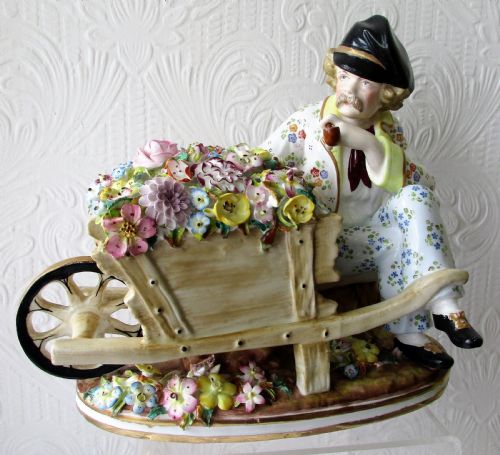
A polychrome staffordshire figurine brings nineteenth-century portraiture and domestic theatre directly onto the mantelpiece.
Polychrome Staffordshire Figurine
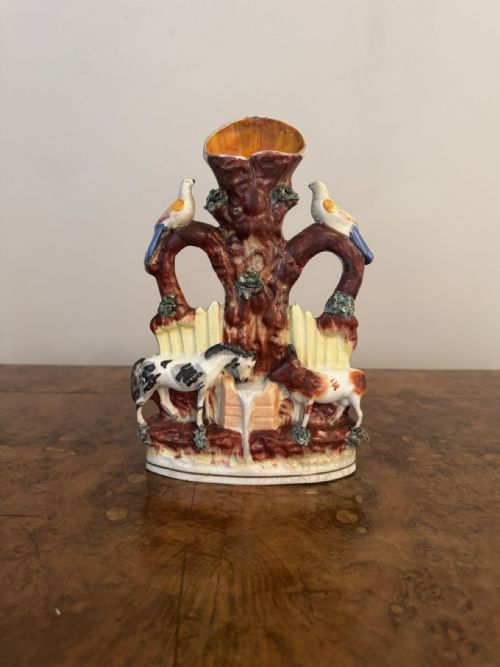
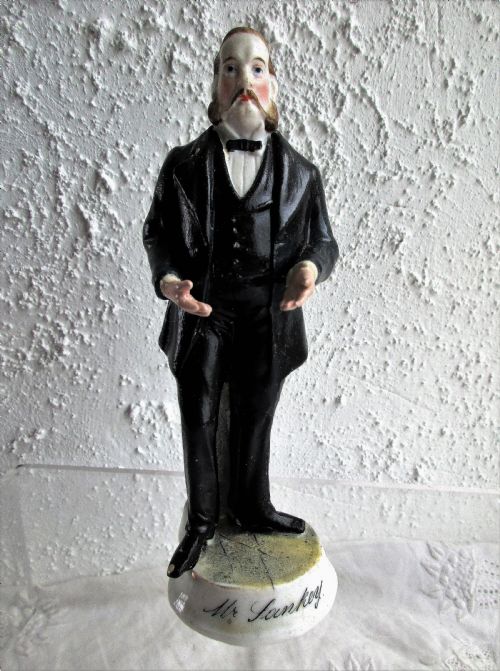
A polychrome staffordshire figurine takes the form of flatback figures, spill vases, portrait groups, toby jugs, and watch holders. You will most frequently encounter nineteenth-century Victorian pieces depicting historical figures, literary subjects, and rural characters. These ceramics span periods from the Georgian era through to the late Victorian decades.
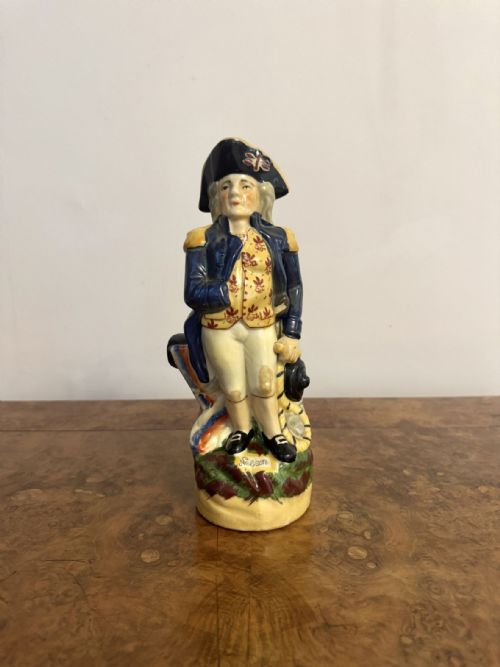
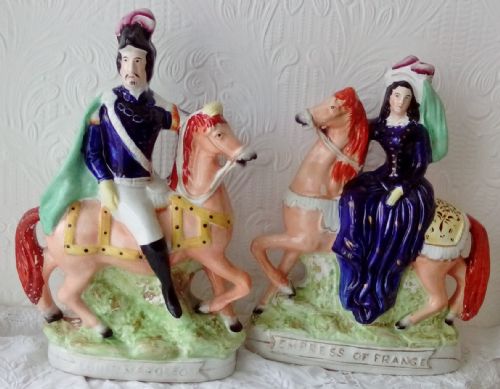
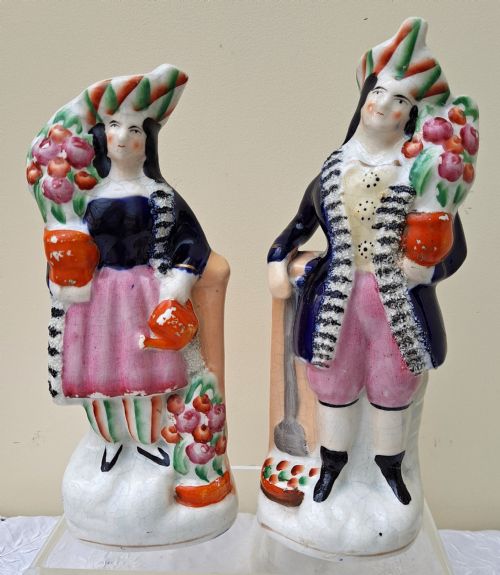
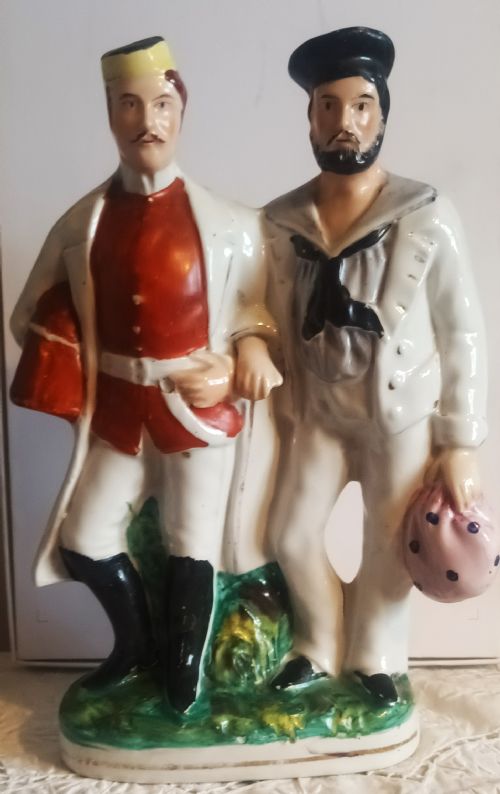
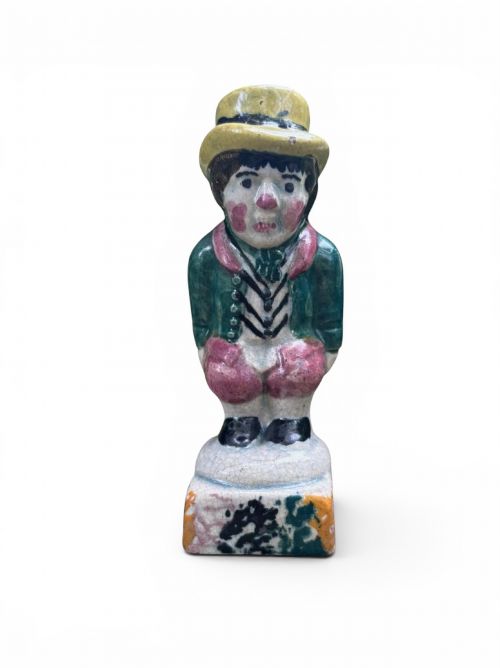
Makers and modellers produced figures ranging from large paired generals and royal portraits down to small miniature groupings and pepper pots. Subjects stretch from military leaders such as Lord Nelson and Napoleon III to gardeners, huntsmen, and domestic animals. The forms serve as ornamental mantel displays rather than utilitarian vessels.
Materials and construction
Potters constructed these figures primarily from earthenware and ceramic bodies, occasionally utilising porcelain for finer portrait pieces. Manufacturers applied lead glaze and enamel decoration by hand to surface details, giving each example individual character.
Makers occasionally incorporated gold leaf highlights on select Victorian portrait groups and ornamental watch holders to accentuate royal costumes and uniforms.
Nineteenth-century potters immortalised smugglers alongside royalty, ensuring Will Watch the smuggler stands proudly beside Napoleon III.
Assessing standard and execution
Quality rests upon the crispness of the modelling and the precision of the hand-applied enamel painting across the ceramic surface. Superior examples display carefully defined facial expressions and distinct costume details rather than hasty, blurred brushwork.
Pairs and large-scale flatback models demonstrate greater sculptural ambition than small, mass-produced miniature figures. The depth of the glaze and the neatness of the firing contribute directly to the visual presence of the piece.
John Bevington·Minton
The Polychrome Staffordshire Figurine Glossary
- Flatback
- A figure modelled with a finished front and sides while the reverse remains largely unglazed and flat, designed to stand against a wall.
- Spill vase
- A hollow figural ceramic designed to hold wooden spills for lighting fires and candles, combining ornament with utility.
- Toby jug
- A pottery jug modelled in the likeness of a stout, cheerful person, often holding a mug and a pipe.
- Prattware
- An early type of earthenware associated with multi-coloured underglaze decoration, produced during the Georgian period.
- Watch holder
- A decorative figural ceramic incorporating an arched niche or hook specifically designed to suspend a pocket watch.
Polychrome Staffordshire Figurine: Frequently Asked Questions
What are staffordshire flatbacks?
Staffordshire flatbacks are ceramic figures designed specifically to stand on mantelpieces and shelves against a wall. Their unpainted and unadorned backs differentiate them from fully rounded sculptures.
Potters produced these pieces in high volumes throughout the Victorian era to commemorate public figures, current events, and pastoral scenes.
How were these figures displayed?
Owners traditionally placed these ceramics on living room mantelpieces, often arranged in pairs or balanced alongside spill vases and watch holders. They brought popular heroes and rural iconography directly into domestic parlours.
Larger groupings occupied central positions while smaller miniature figures gathered in cabinets or along narrower shelves.
How do I date a figure?
Dating relies on identifying the subject matter, costume styles, and underlying ceramic body. Historical subjects such as the Crimean War or specific French emperors anchor pieces to precise nineteenth-century decades.
Georgian examples often exhibit prattware coloration and earlier pearlware glazes, whereas late Victorian pieces lean towards larger flatback formats.
Are these figures waterproof?
Most of these earthenware and ceramic figures are porous underneath their lead glaze and enamel surfaces. Spill vases held wooden tapers rather than fresh water and flowers.
Exposing the unglazed ceramic base or interior to moisture risks damaging the historic body and the exterior enamel.