
English Earthenware Pottery
English earthenware pottery encompasses centuries of practical and decorative ceramics, offering collectors vivid transfer prints, lustres, and figures that capture historic British domestic life.
English Earthenware Pottery
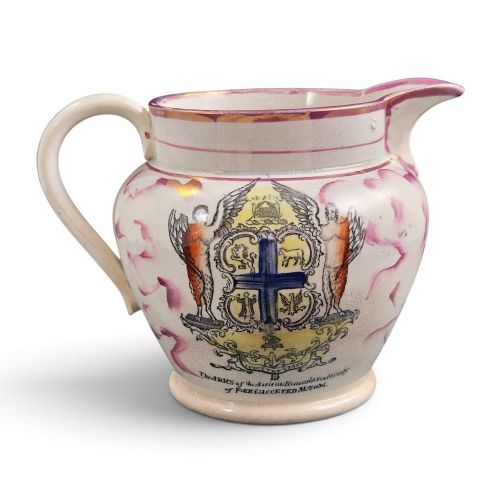
English earthenware pottery covers a broad spectrum of domestic and ornamental objects produced across the eighteenth and nineteenth centuries. Buyers searching for english earthenware pottery frequently encounter utilitarian vessels like jugs, pitchers, and milk pans alongside decorative figures, creamware tableware, and lustreware.
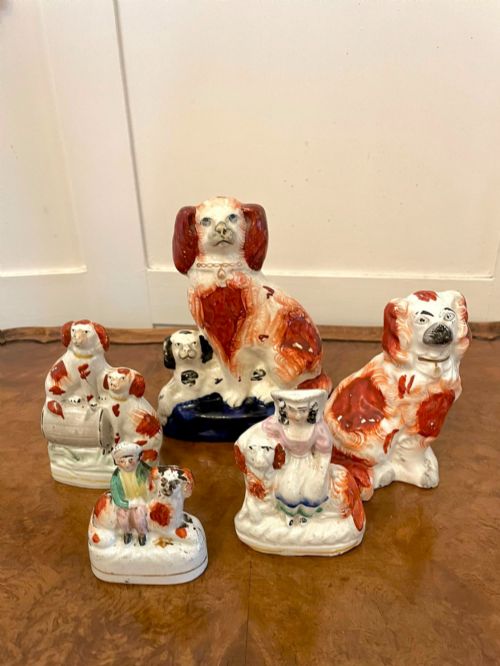
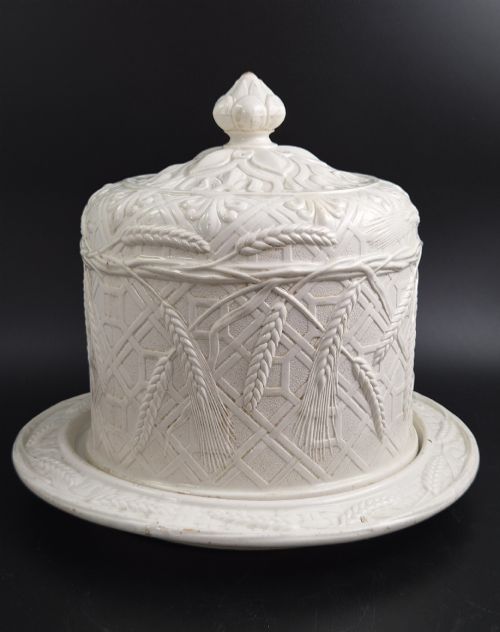
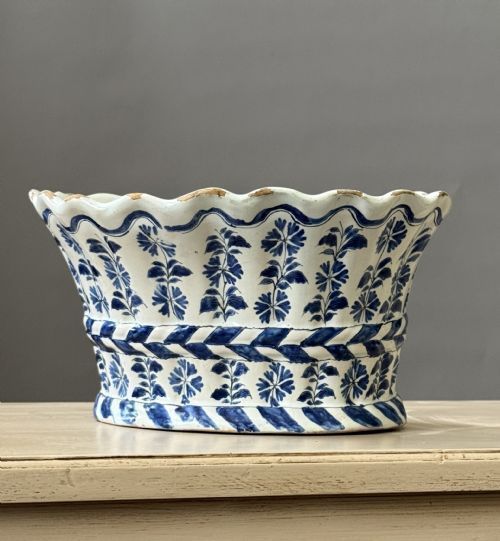
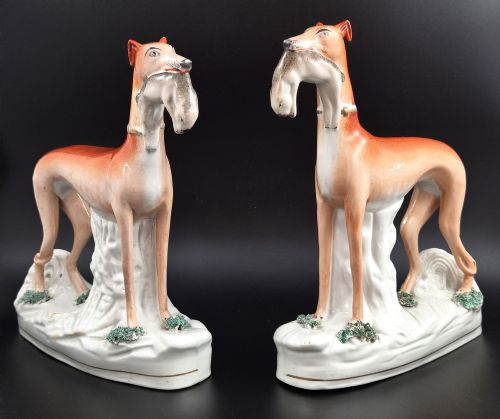
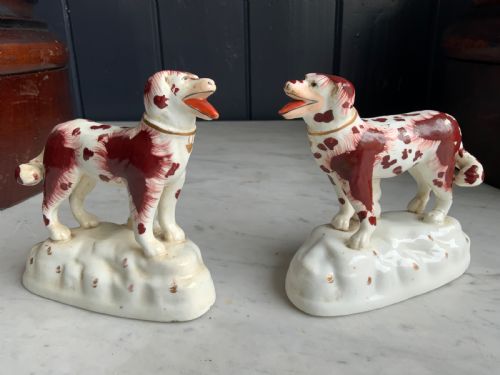
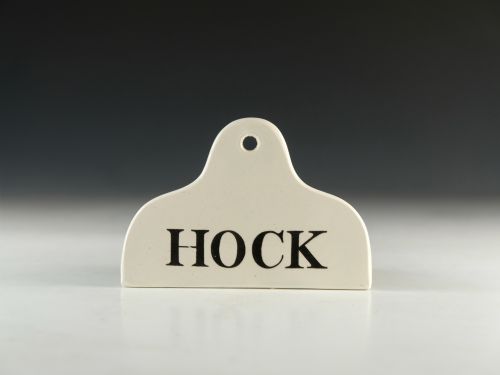
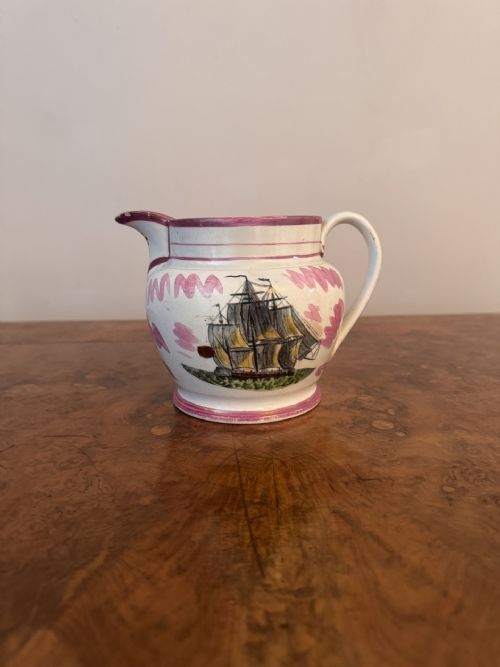
The material ranges from early tin-glazed delftware and creamware through to Victorian ironstone, slipware, and pearlware. Forms span functional table service items such as plates, dishes, and cheese domes to sculptural greyhounds, lions, and commemorative jugs celebrating maritime themes and historic events.
How they were made
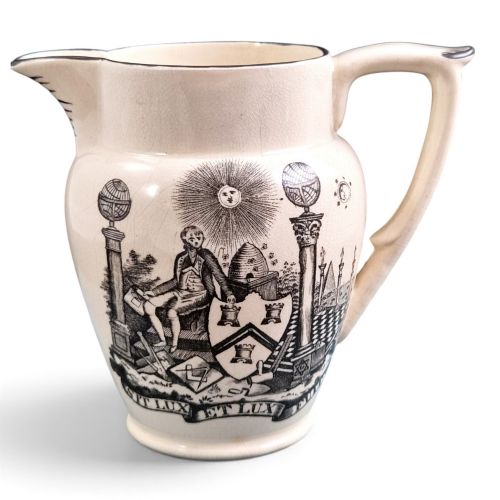
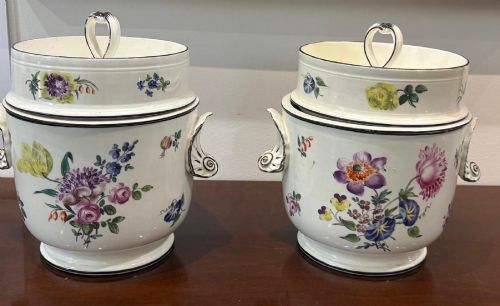
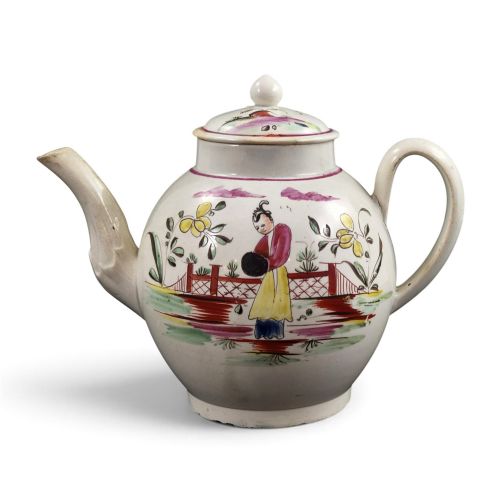
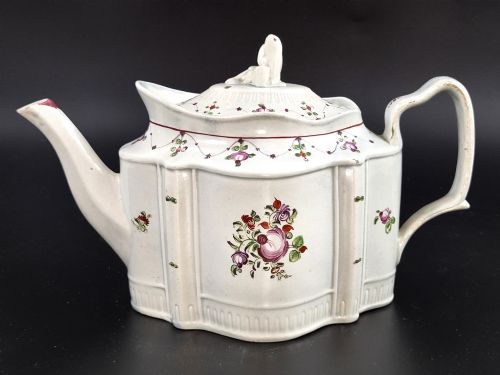
Potters shaped porous clay bodies using throwing wheels, press moulds, or slip-casting techniques before applying metallic glazes, tin-glazes, or clear leads. Decoration relied heavily on hand-painting with polychrome enamels, underglaze blue, or applying transfer prints using copper plates.
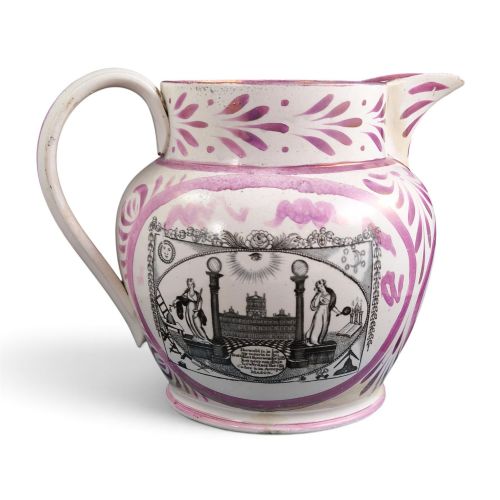
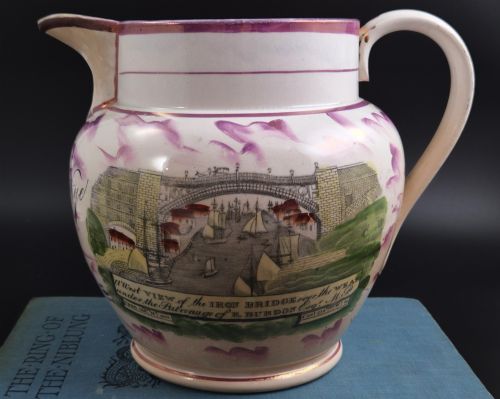
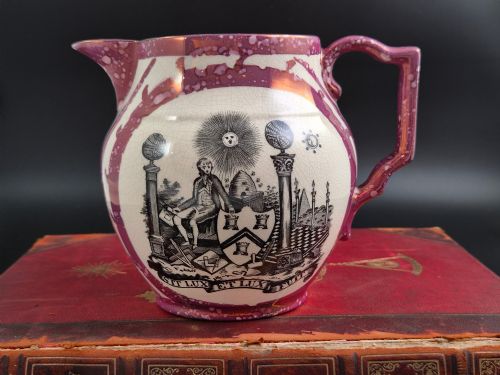
Surface effects such as pink splash lustre, metallic glazes, and gilt detailing required secondary kiln firings to bond the metallic oxides or precious metals to the fired ceramic body.
Listings feature earthenware spanning the seventeenth century to the early twentieth century, including delftware, creamware, pearlware, and Victorian Staffordshire figures.
What varies in quality
Quality in these ceramics rests upon the crispness of the moulded detail, the control of the kiln temperature during firing, and the precision of the hand-painting or transfer printing. Early pieces with complex multi-colour enamel work or clear transfer impressions demonstrate superior craftsmanship.
The sophistication of the form and the rarity of the specific subject matter, such as named local bridges, armorial crests, or distinct sculptural animal pairs, separate standard utilitarian production from top-tier collector examples.
Davenport·Moorcroft·Spode·Wedgwood·Robert Hamilton·John Rogers and Son
The English Earthenware Pottery Glossary
- Creamware
- A fine-poured earthenware with a pale yellowish glaze, developed in the eighteenth century and perfected by potteries such as Wedgwood.
- Pearlware
- An eighteenth-century refined earthenware body containing a small amount of cobalt in the glaze to produce a bluish-white surface mimicking porcelain.
- Lustreware
- Pottery finished with a metallic glaze that imparts a reflective, iridescent sheen, often seen in pink or copper tones on nineteenth-century jugs.
- Transfer print
- A decorative technique where a design is engraved on a copper plate, inked, transferred to paper, and stamped onto the ceramic body before glazing.
- Slipware
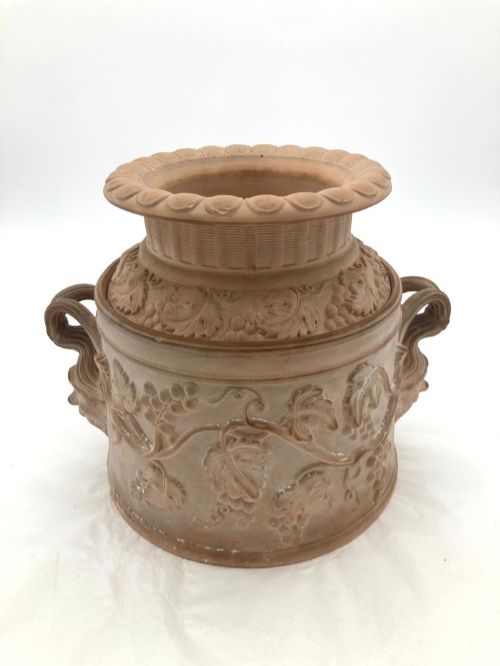
- Pottery decorated by applying fluid clay of a different colour to the unframed body before firing, either through trailing or dipping.
English Earthenware Pottery: Frequently Asked Questions
What is creamware?
Creamware is a refined light-coloured earthenware developed in Yorkshire and Staffordshire during the eighteenth century. It replaced heavier earthenwares with a lighter, more durable body suitable for refined dining.
The pale yellowish or cream-coloured glaze gives the ceramic its name, often associated with prominent makers who exported table services across Europe.
How do I identify pearlware?
Pearlware is distinguished by a subtle bluish tint pooled in the recesses and glaze crevices. This slight blue colour was introduced to make earthenware appear whiter and closer to Chinese porcelain.
Potters produced pearlware extensively from the late eighteenth century through the mid-nineteenth century, frequently decorating pieces with blue and white transfer prints.
How were transfer printed pieces decorated?
Transfer printing involved engraving a design onto a copper plate, applying ink, and pressing tissue paper onto the plate. Workers then lifted the inked paper and pressed it onto the biscuit earthenware surface.
This technique allowed potteries to produce intricate landscapes, historical scenes, and armorial designs consistently across large dinner services and commemorative jugs.