



Polychrome Porcelain Wall Platter
A polychrome porcelain wall platter delivers rich colour and bold domestic display, bringing centuries of ceramic artistry straight onto your wall.
Polychrome Porcelain Wall Platter
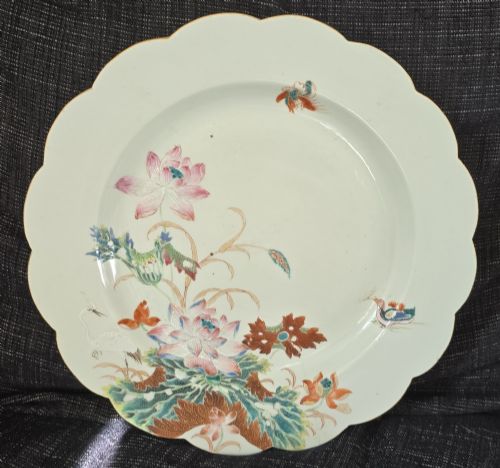
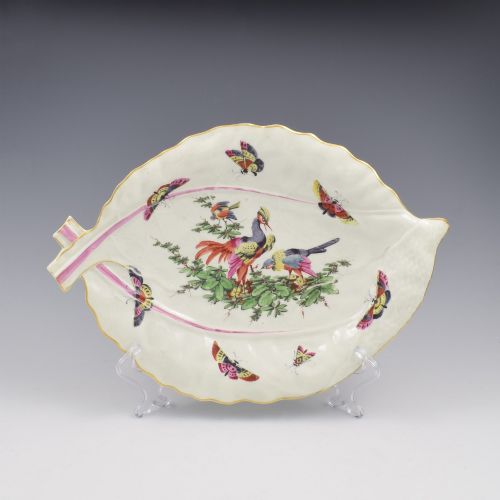
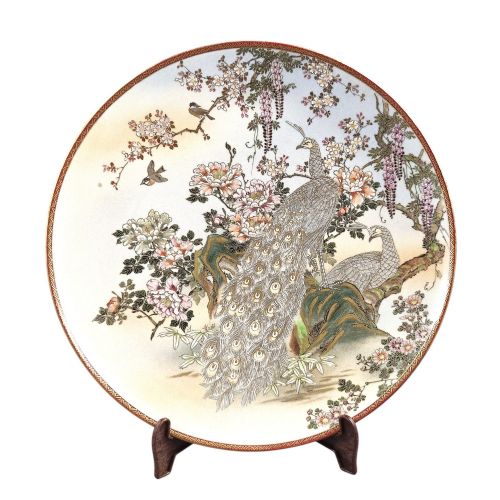
A polychrome porcelain wall platter spans large decorative dishes, chargers, and plates originating from diverse global traditions. When you search for a polychrome porcelain wall platter, you encounter substantial display vessels created to hang on walls or sit upon surfaces for decorative impact.
The selections on this page draw heavily from 18th Century Chinese export and soft-paste porcelain, alongside 19th Century Japanese Imari, Satsuma, and Kutani wares. European pieces from the Victorian and Edwardian eras, including Vienna porcelain and Mason's ironstone, also appear among the offerings.
These items take various forms, from scalloped-edge dishes and square plates to massive chargers depicting birds, landscapes, and figural scenes. Buyers typically meet Japanese Imari chargers and Chinese porcelain plates most frequently when exploring this category.
Materials and Techniques
Makers utilised fine porcelain, soft-paste porcelain, and ironstone as the primary ceramic bodies for these platters. Cobalt underglaze provided deep blue foundations, whilst overglaze enamels added vibrant multi-coloured layers to the surface.
Gold leaf and gold gilt highlights frequently enhanced the painted designs, catching the light across Japanese Meiji period chargers and 18th century Chinese dishes. Hand painting remained the central method for applying intricate pictorial narratives and natural motifs.
The selection spans the 18th century through the Victorian, Edwardian, and Meiji periods, covering Chinese, Japanese, and European traditions.
Judging Quality
Quality rests in the precision of the hand-painted brushwork and the complexity of the polychrome palette. Superior examples demonstrate crisp lines in the underglaze cobalt and carefully controlled overglaze enamels that retain their original brilliance.
The depth and application of gold gilt or gold leaf separate standard production from exceptional pieces. Heavier, well-balanced ceramic bodies with sophisticated pictorial compositions, such as detailed figures or natural scenes, denote the upper tier of the range.
Mason·Shozo
The Polychrome Porcelain Wall Platter Glossary
- Polychrome
- Decorated in several colours. This term describes ceramics utilising a rich palette of overglaze enamels alongside underglaze pigments.
- Charger
- A large ornamental plate. These substantial vessels were primarily intended for display on walls or sideboards rather than dining.
- Imari
- A style of Japanese export porcelain. Characterised by a palette of cobalt blue, iron red, and gold, often featuring intricate floral and panel designs.
- Underglaze
- Pigment applied to a ceramic body before glazing and firing. This technique protects the colour beneath a glossy glass-like surface.
- Soft-Paste
- A ceramic material composed of white clay and glass frit. Fired at lower temperatures than hard-paste porcelain, it yields a warm translucent body common in 18th-century European works.
Polychrome Porcelain Wall Platter: Frequently Asked Questions
How do I hang a heavy porcelain charger safely?
Heavy chargers require secure wall fixings designed to distribute weight evenly across the base and rim.
Utilise coated spring-loaded hangers specifically sized for the diameter of the dish to protect the ceramic edges.
Can these platters be used for serving food?
Most antique decorative chargers and wall platters are intended strictly for display rather than culinary use.
Historic overglaze enamels and delicate gold leaf can wear down or sustain damage from food acids and cutlery.
How should I clean antique porcelain wall platters?
Dust the surface gently with a soft, dry feather duster or microfiber cloth to remove everyday particles.
Avoid immersing antique pieces in water or using harsh chemical cleaners, as these can degrade the fragile overglaze enamels.