

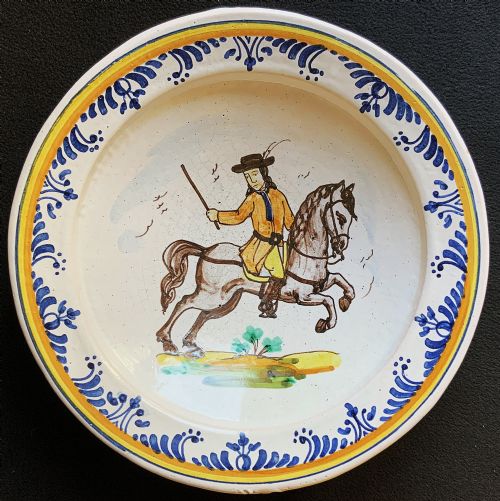


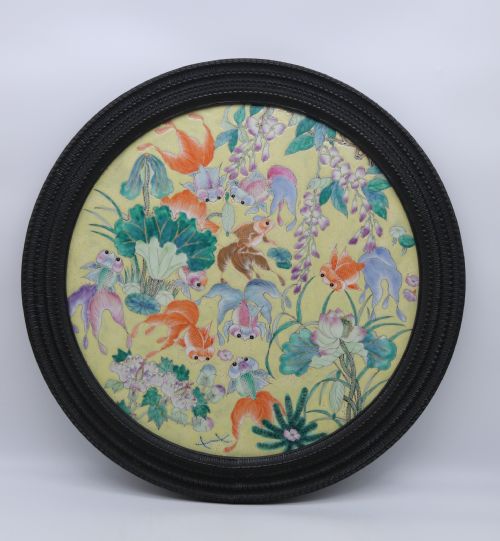


Polychrome Painted Wall Plaque
A polychrome painted wall plaque brings rich colour and figurative depth straight to a room, offering centuries of diverse artistic traditions.
Polychrome Painted Wall Plaque
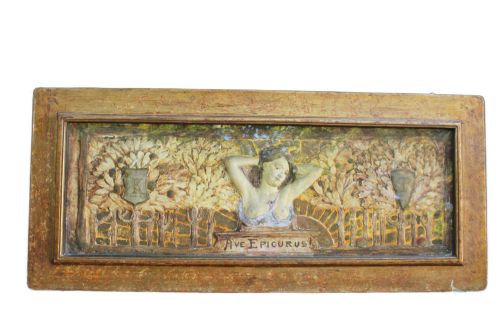
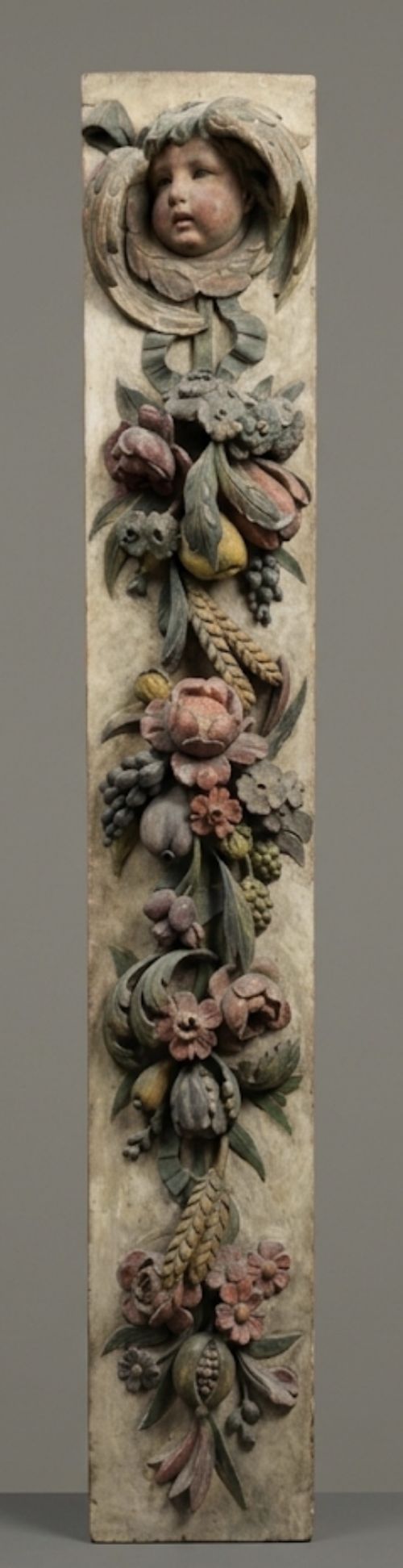
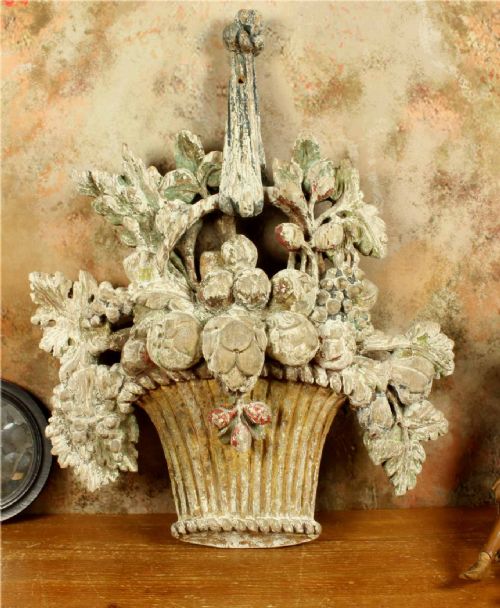
A polychrome painted wall plaque encompasses a broad selection of decorative objects designed to hang directly on a vertical surface. When searching for a polychrome painted wall plaque, a buyer encounters everything from delicate Limoges enamels and Chinese porcelain panels to heavy cast iron armorials and carved wooden panels.
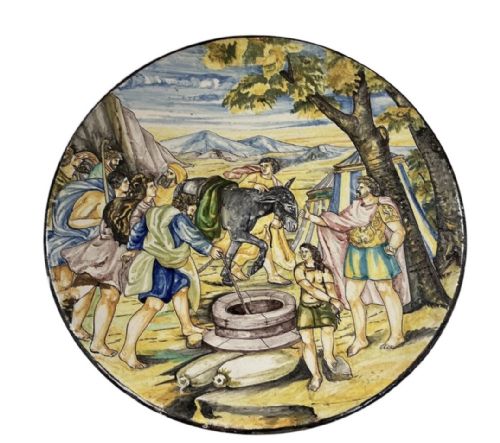
The material origins span multiple centuries, with significant representation from the eighteenth and nineteenth centuries alongside later twentieth-century examples. Forms range from circular chargers and ceramic plates to rectangular wooden panels and carousel carvings.
Geographic origins vary widely across Europe and Asia, featuring pieces from England, France, Italy, Spain, the Netherlands, and China. Stylistic expressions stretch across Renaissance Revival, Victorian Heraldic, Arts and Crafts, and Neoclassical vocabularies.
How they were made
Makers utilised a diverse array of foundational materials including wood, ceramic, porcelain, tin-glazed earthenware, enamel, cast iron, bronze, and gesso. Carved wooden panels and reliefs rely on skilled hand shaping, while ceramic and porcelain pieces undergo high-temperature firing before receiving their decorative glazes.
The polychrome surface treatment unites these disparate objects, applied using pigmented paints, tin-glazes, enamel work, or gold leaf gilding. Metal plaques frequently involve casting techniques for armorial crests and heraldic displays, finished with hand-painted polychrome details.
Polychrome Painted Wall Plaque Retail Price Guide 2026
Typical asking prices for polychrome painted wall plaque among the pieces listed under this phrase on Sellingantiques today, from the lower quarter to the upper quarter. They describe what is for sale here now, not the wider market.
Listings span periods from the eighteenth century through to the 1940s, incorporating enamel, wood, ceramic, and cast iron.
What varies in quality
The standard of a polychrome painted wall plaque rests principally upon the execution and preservation of its painted surface and decorative detail. Finer examples display meticulous brushwork, vibrant retention of pigment, and crisp definition within carved reliefs or moulded metalwork.
Structural integrity of the base material - whether unwarped timber, stable ceramics free of major structural compromise, or well-cast metal - determines the piece's longevity. Greater depth of modelling and artistic sophistication in the design elevate specific specimens above standard decorative wares.
The Polychrome Painted Wall Plaque Glossary
- Polychrome
- Decorated in multiple colours. This technique defines surfaces painted or glazed with various hues.
- Charger
- A large decorative plate or dish. These items were often hung on walls rather than used for dining.
- Armorial
- Relating to heraldry or coats of arms. Armorial plaques display specific family or institutional crests.
- Faience
- Tin-glazed earthenware produced in Europe. French and Dutch workshops excelled in this glazed ceramic tradition.
- Maiolica
- Italian tin-glazed pottery. This ware is celebrated for its bright painted decoration.
- Enamel
- Glass fused to a metal substrate through firing. Limoges and Viennese pieces demonstrate this vitreous technique.
Polychrome Painted Wall Plaque: Frequently Asked Questions
How were wall plaques displayed historically?
Many large chargers and decorative plates featured pierced footrings or added wire mounts to facilitate hanging on interior walls. Wooden panels and armorial crests were engineered specifically as architectural or decorative wall fixtures.
Heavier cast iron and bronze plaques utilised integrated hanging loops or bolt holes to secure them safely to masonry or wood-panelled rooms.
What is tin-glazed earthenware?
Tin-glazed earthenware is pottery covered with a white, opaque glaze containing tin oxide. This creates a smooth canvas for subsequent painting in various colours before a final firing.
Traditions such as Dutch Delft, Spanish faience, and Italian maiolica all rely on this fundamental ceramic process.
How do I care for a painted wooden panel?
Painted wooden panels require stable indoor humidity levels to prevent the wood from expanding, contracting, or splitting over time. Keep them away from direct sunlight and strong heat sources to protect the historic polychrome pigments from fading or flaking.
Dust the surface gently with a dry, soft brush rather than using liquid cleaning agents that might damage aged paint layers.
What distinguishes Limoges enamel?
Limoges enamel is created by fusing vitreous glass powders onto a metal base, usually copper, through repeated kiln firings. The resulting panels display intense, glossy colours and often feature intricate figurative scenes.
This French tradition dates back centuries, producing both small devotional items and decorative wall plaques.