





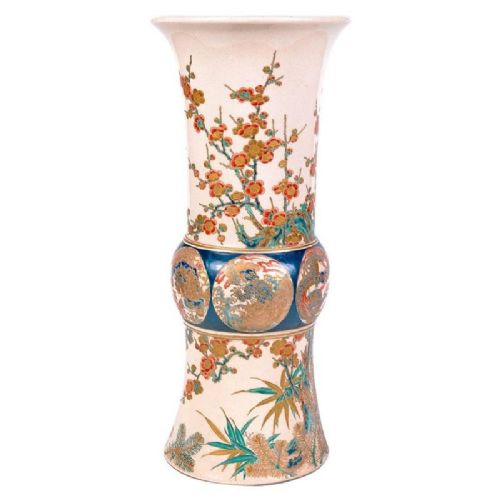

Polychrome Floral Jars
Polychrome floral jars bring vibrant painted botanicals into a room, spanning centuries of global ceramic traditions from Delft to Japan.
Polychrome Floral Jars
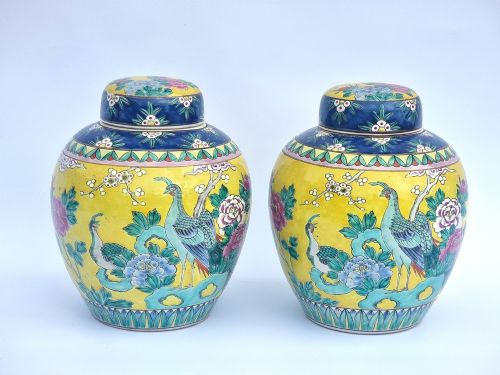
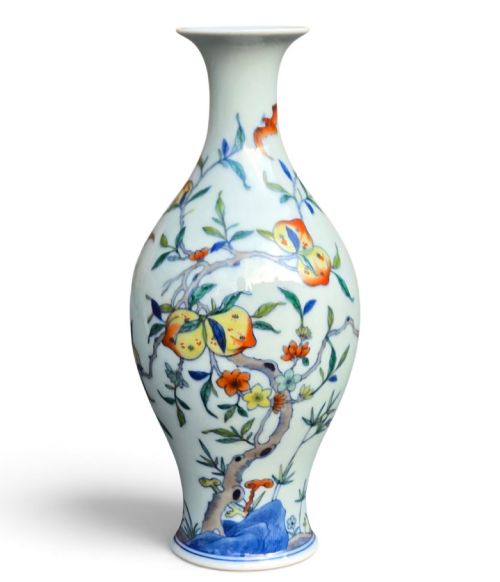
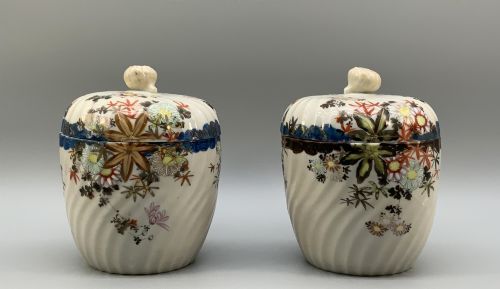
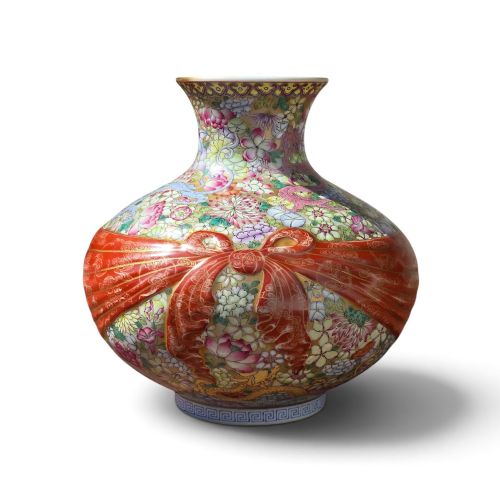
When searching for polychrome floral jars, collectors encounter a diverse group of vessels designed for display, storage, or lighting. The selection spans earthenware and porcelain bodies decorated with multi-coloured floral motifs across various world traditions.
Most examples appearing here take the form of traditional ginger jars, lidded vessels, and decorative vases dating from the eighteenth century through the mid-twentieth century. Pieces range from large Delft earthenware to intricate Japanese porcelain and Chinese export styles.
Origin points reflect global exchange, including Dutch tin glaze, Italian Maiolica, Belgian Iznik style, and Asian wares created for export markets. Buyers find both single display pieces and matched pairs intended for mantelpieces.
Materials and production methods
Potters shaped these vessels using ceramic, earthenware, and porcelain bodies, frequently applying tin glaze or enamel surfaces to create a smooth base for painting. Artisans built up the decoration using hand-painted pigments, sometimes incorporating gold leaf details or cloisonné work.
Firing techniques varied by region, from European earthenware kilns producing Delft and Maiolica to Asian traditions firing hard-paste porcelain at high temperatures. Lidded jars and vases often required precise throwing on the potter's wheel followed by careful hand-finishing.
Polychrome Floral Jars Retail Price Guide 2026
Typical asking prices for polychrome floral jars among the pieces listed under this phrase on Sellingantiques today, from the lower quarter to the upper quarter. They describe what is for sale here now, not the wider market.
Several jars disguised as kitchen spice storage now enjoy a luxurious retirement as wired table lamps.
Judging the work
Quality rests upon the skill of the hand-painted brushwork and the clarity of the polychrome palette. Superior examples demonstrate crisp definition in floral details and confident control over enamel or glaze application.
The weight of the ceramic body and the proportion of the vessel shape distinguish finer workshop output from standard commercial production. Preservation of the original glaze surface and matching lids on pairs elevate the standing of a piece.
Mason's Ironstone China·Samson Porcelain
The Polychrome Floral Jars Glossary
- Polychrome
- Decoration executed in multiple colours. This term describes ceramics utilising various pigmented glazes or enamels.
- Tin Glaze
- An opaque white glaze containing tin oxide, used on earthenware to provide a smooth ground for painted decoration.
- Ginger Jar
- A high-shouldered ceramic vessel with a narrow opening, originally made to store spices and later used purely for decoration.
- Imari
- A style of Japanese porcelain featuring a distinct palette of underglaze blue, iron red, and gilt highlights.
- Maiolica
- Italian tin-glazed earthenware painted with bright colours, frequently depicting floral or narrative scenes.
Polychrome Floral Jars: Frequently Asked Questions
How do I date an old jar?
Dating relies on examining the characteristics of the ceramic body, the composition of the glaze, and the style of the painted floral motifs. Potting techniques and base markings often indicate the specific period of manufacture.
Comparing the piece to documented examples from the same region helps narrow down the decade or century of origin.
Are these jars waterproof?
Many glazed ceramic and porcelain vessels hold water safely, particularly porcelain and high-fired stoneware pieces. However, earthenware with older tin glaze requires caution to prevent moisture seeping into the porous body.
Using a discreet glass insert protects fragile antique interiors if utilised for fresh cut flowers.
How should I clean painted ceramics?
Dusting gently with a soft, dry cloth maintains the surface without risking the delicate enamel or gilt decorations. Avoid abrasive cleaning agents and harsh chemical solvents that might damage historical glazes.
Stubborn grime requires only a slightly damp cloth followed immediately by thorough drying.
Why do some jars have covers?
Original lidded vessels served practical domestic functions such as storing spices, herbs, or precious dry goods. Over time, covers became an integral part of the decorative silhouette for display pieces.
Finding a jar with its original matching lid significantly enhances its historical integrity.