

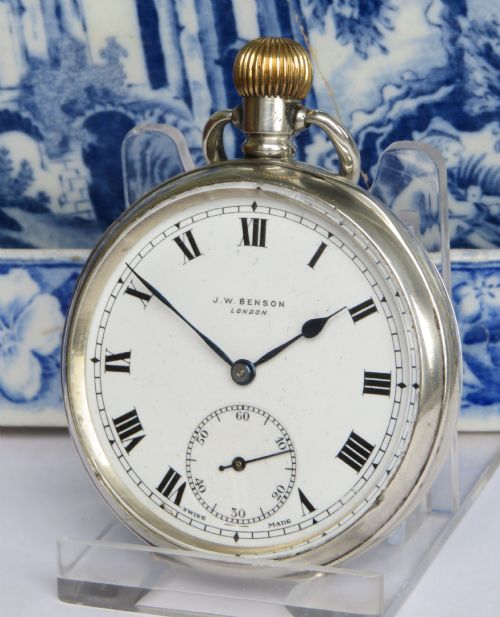
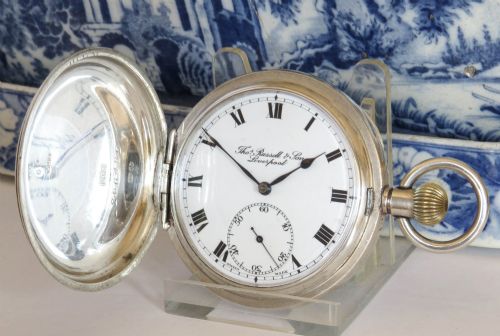
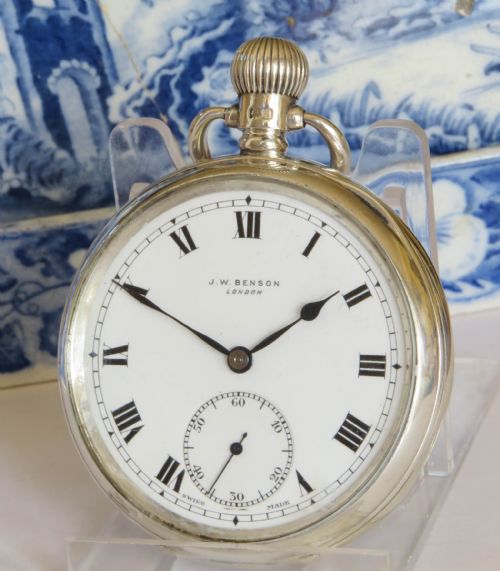
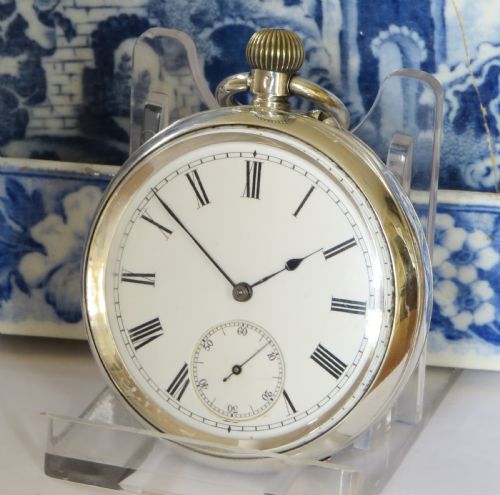
Pocket Watch Timepiece
Pocket watch timepiece selections bring together Victorian, Edwardian and mid-century designs engineered for precision pocket keeping.
Pocket Watch Timepiece
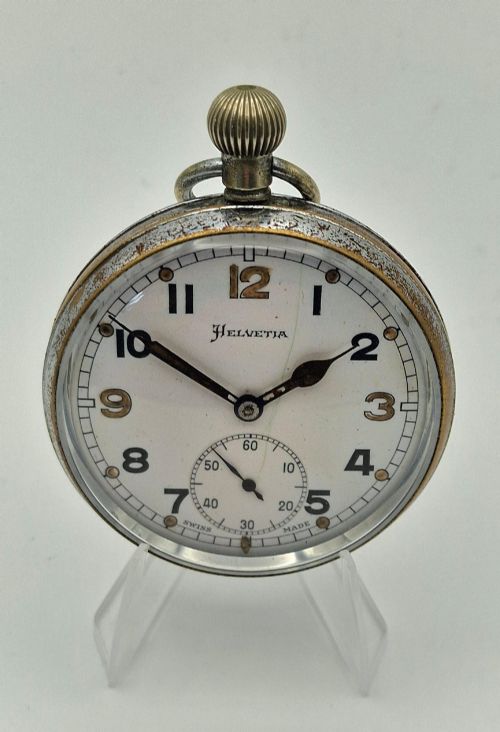
A pocket watch timepiece is a portable instrument designed to be carried in a waistcoat or jacket pocket, secured by a chain, albert or fob. When exploring pocket watch timepiece examples, buyers encounter diverse forms ranging from civil timekeepers to robust military issues.
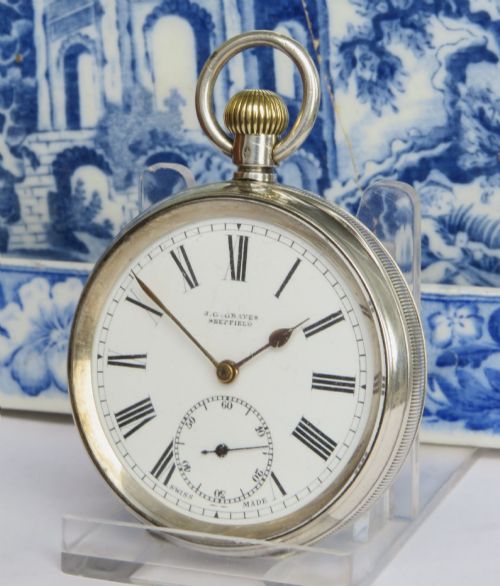
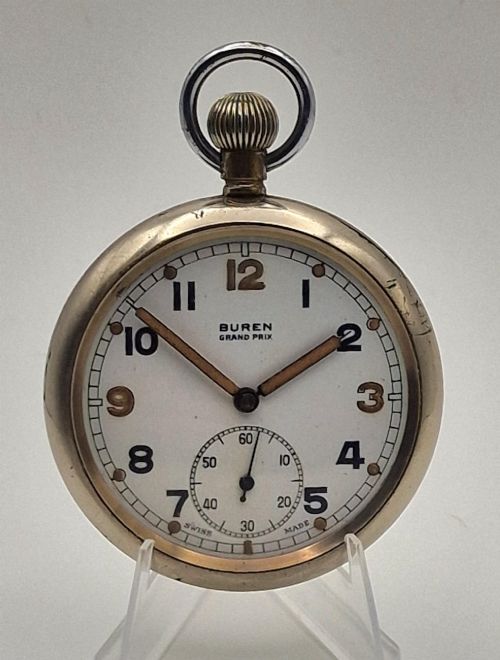
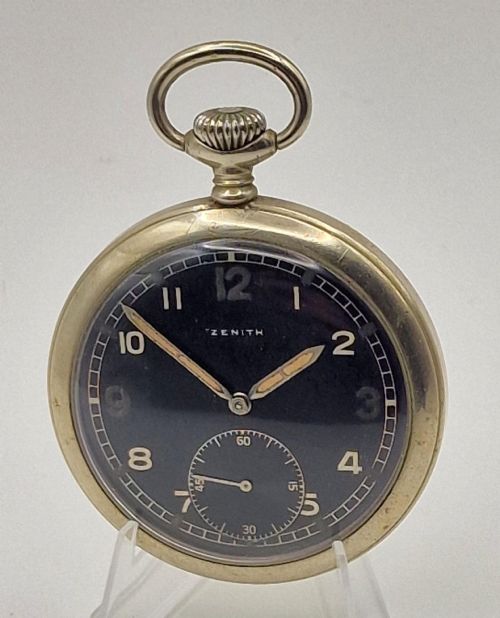
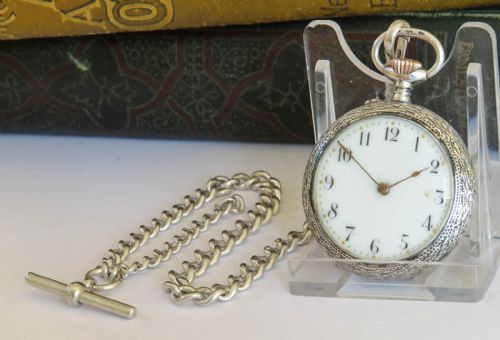
The selections span the Victorian era, the early 20th century, the 1920s, the 1930s and 1940s military periods. Civilian pocket watches often feature decorative silver cases, while military and railway variants prioritise robust legibility and specialised movements.
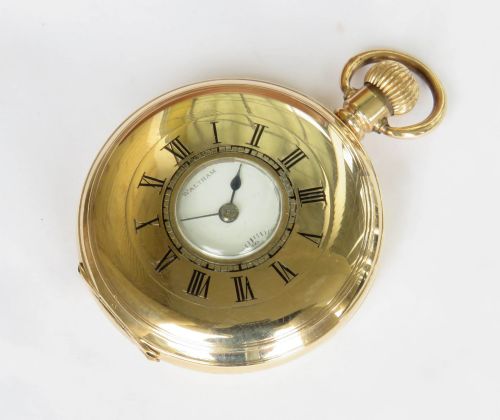
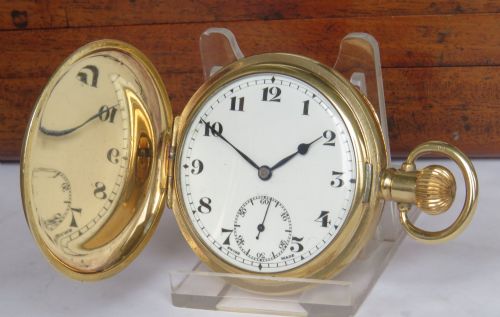
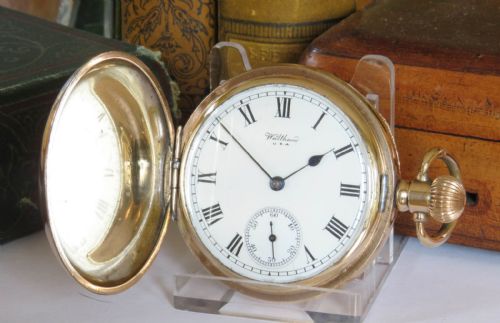
Civilian types include half hunter designs with protective front covers and open face layouts for immediate viewing. Railway and military pieces add dedicated subsidiary dials and chronographic functions suited to specific operational demands.
Materials and construction methods
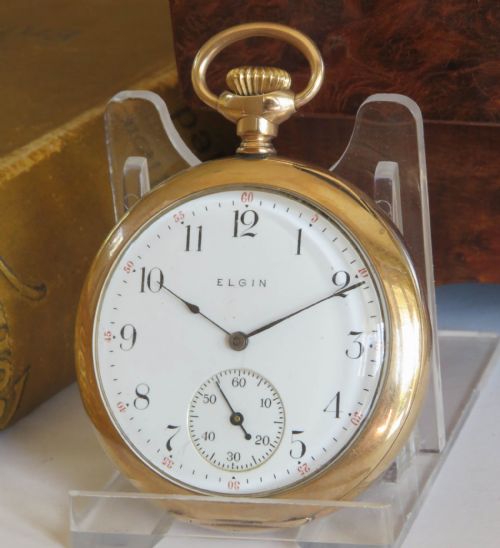
Cases are formed from sterling silver, nickel, steel, brass and base metals, protecting delicate internal mechanisms from daily wear. Glass crystals cover the dials, while enamel is frequently used for white dial faces with bold painted numerals.
Mechanical movements rely on traditional gear trains, mainsprings and escapements assembled by precision makers. Fusee movements appear in Victorian examples, regulating power delivery via a chain and cone pulley system for steady timekeeping.
Pocket Watch Timepiece Retail Price Guide 2026
Typical asking prices for pocket watch timepiece among the pieces listed under this phrase on Sellingantiques today, from the lower quarter to the upper quarter. They describe what is for sale here now, not the wider market.
Judging quality and execution
Quality separates standard mass-produced movements from high-grade jewelled mechanisms designed for railways or military service. The crispness of case decoration, the integrity of enamel dials and the complexity of the escapement dictate the tier of the piece.
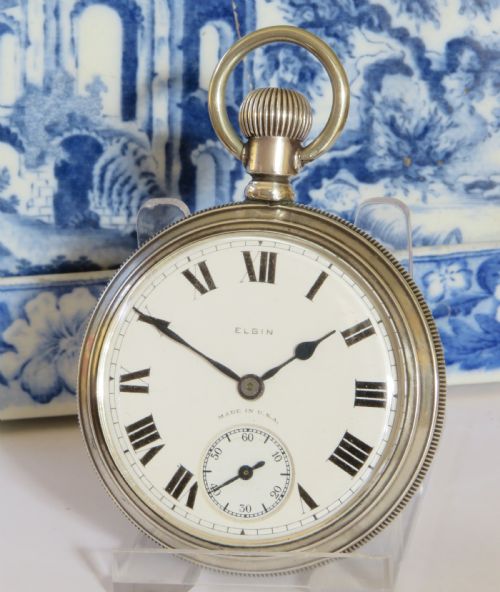
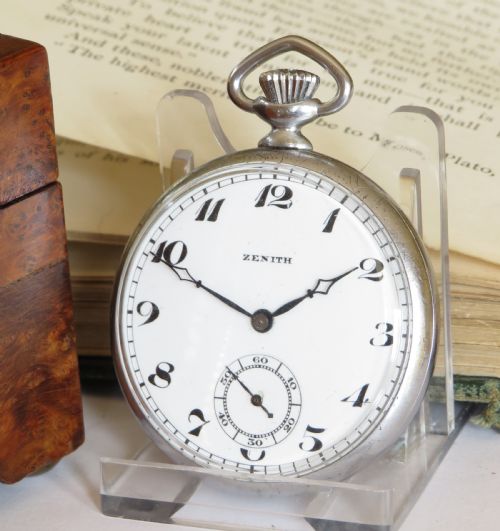
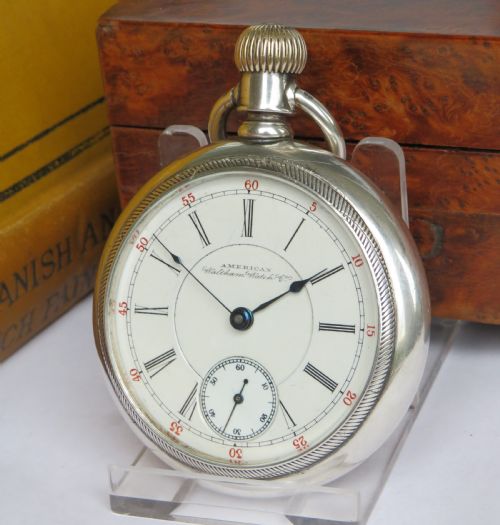
Makers such as Waltham, Elgin, Zenith and J W Benson represent varied grades of production, from robust utilitarian instruments to finely finished civilian dress watches with detailed silver hallmarking.
J W Benson·Elgin·Tavannes·Zenith·Waltham·Cortebert·Kendal & Dent·Omega·Revue·Thomas Russell and Son
The Pocket Watch Timepiece Glossary
- Half Hunter
- A pocket watch featuring a case with a glass or open centre panel on the front cover, allowing the hands to be read without opening the case.
- Chronograph
- A watch equipped with a complication that measures elapsed time, often controlled by an independent pusher or button.
- Fusee
- A conical pulley connected to the mainspring by a fine chain, designed to equalise the torque as the spring unwinds.
- Albert
- A chain attached to a pocket watch, designed to secure the timepiece to a buttonhole or waistcoat pocket.
- Fob
- A small ornament, medal or compass attached to a pocket watch chain.
Pocket Watch Timepiece: Frequently Asked Questions
How do I wear a pocket watch?
A pocket watch is typically secured in a waistcoat pocket or jacket pocket using an attached chain, albert or fob fastened through a buttonhole.
The watch rests securely in the pocket while the decorative chain spans the front of the garment.
How do fusee movements work?
A fusee movement uses a conical pulley and a delicate chain to regulate the pull of the mainspring.
This mechanical arrangement compensates for the diminishing power of the spring as it unwinds, ensuring consistent energy delivery to the escapement.
How do I date an antique pocket watch?
Dating involves examining silver hallmarks stamped into the metal case, which indicate specific assay office years for British pieces.
Serial numbers engraved upon the internal movement plates also help trace the production period of American and Swiss manufacturers.