

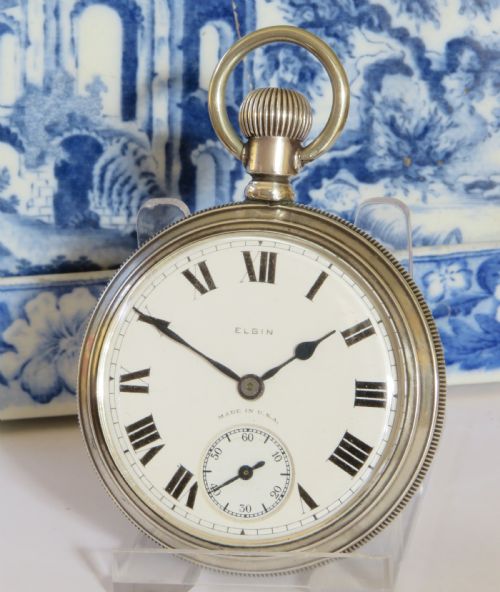
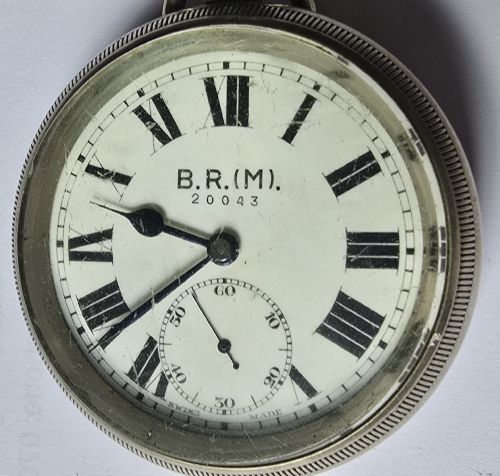
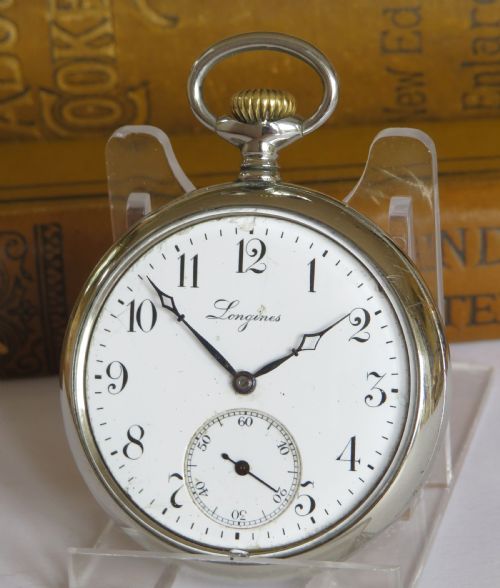
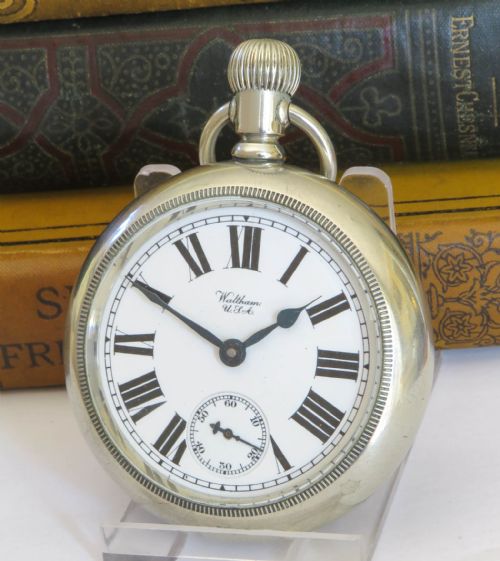
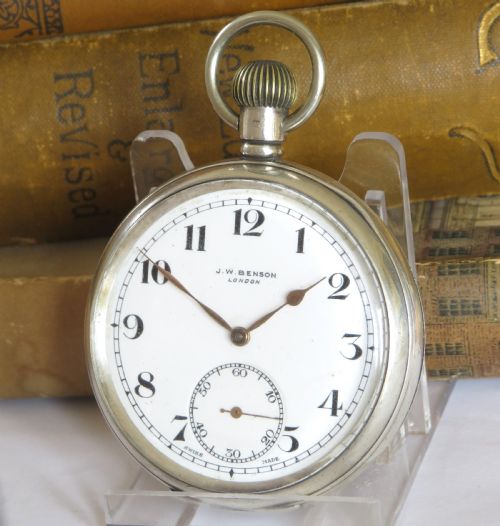
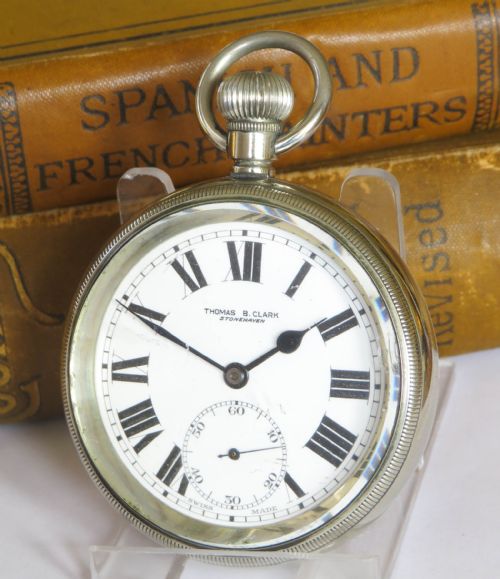
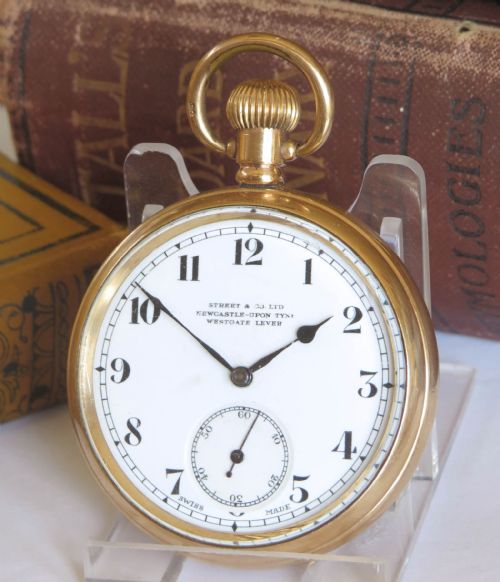
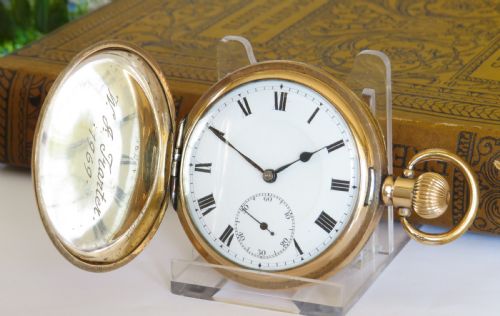
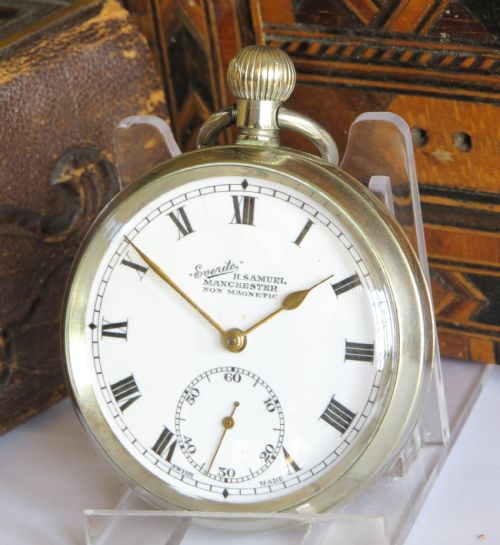
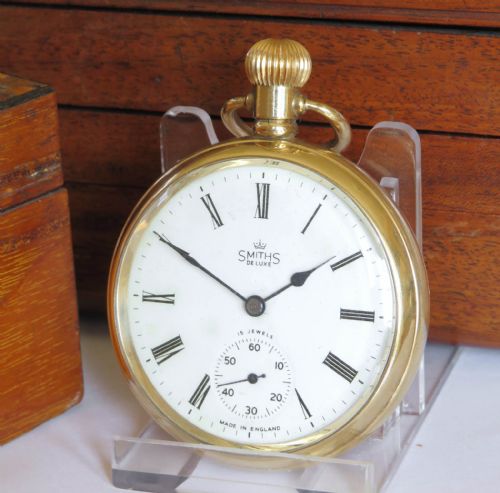
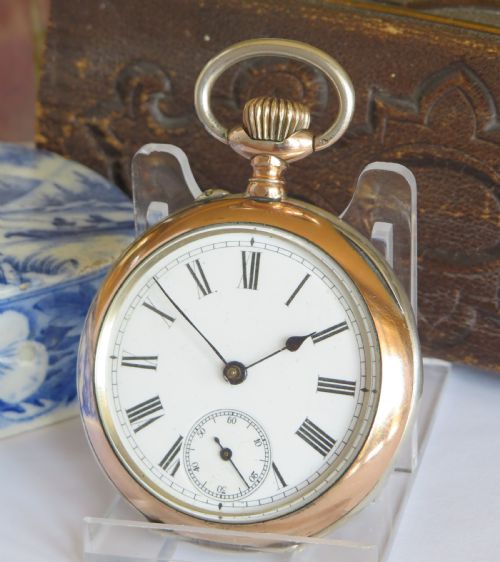
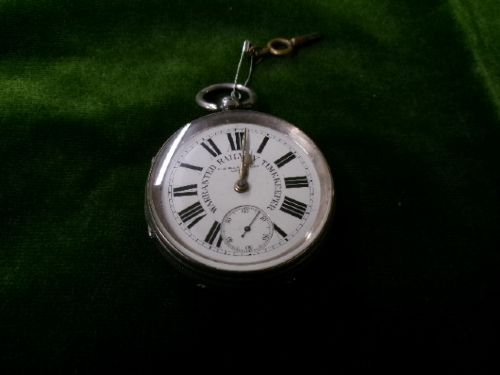
Pocket Watch Timekeeper
A pocket watch timekeeper offers portable mechanical precision, combining historical horology with functional daily utility.
Pocket Watch Timekeeper
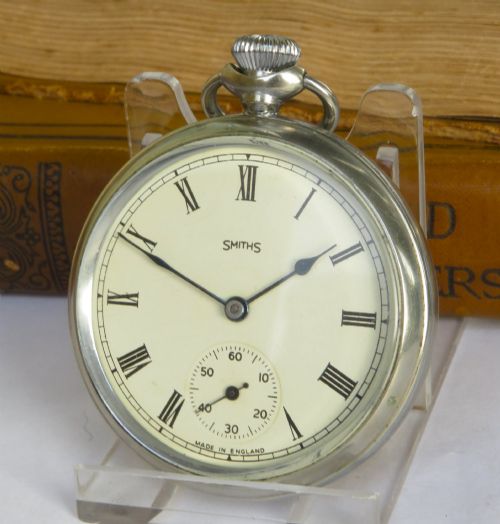
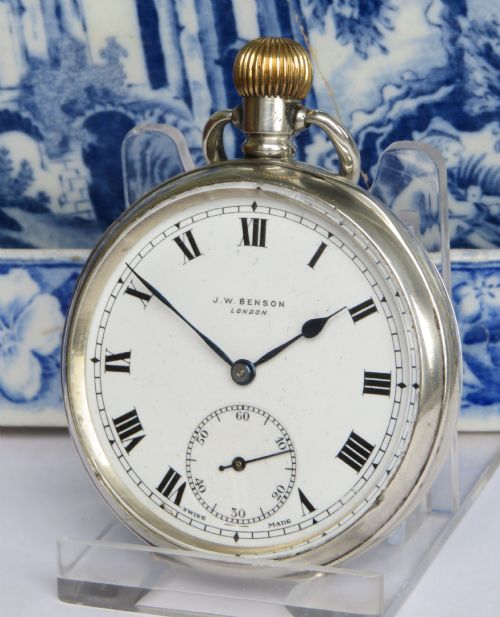
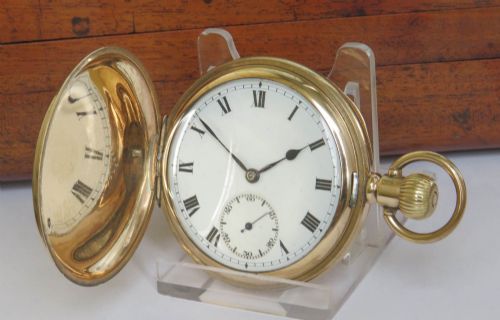
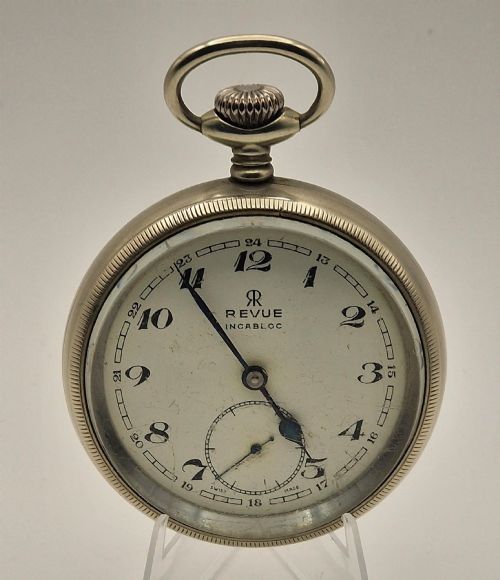
A pocket watch timekeeper represents a portable mechanical instrument designed for tracking hours and minutes, originating across multiple centuries of horological development. When searching for a pocket watch timekeeper, buyers encounter forms ranging from simple open-face variants to complex repeaters and railway-issued instruments.
The pieces available span the Victorian era, the Edwardian period, and the mid-twentieth century, with significant representation from the 1920s and 1930s. Most examples met on this page combine everyday utility with specific regional or organizational histories, such as railway service or presentation awards.
Early specimens include eighteenth-century pair-cased designs alongside nineteenth-century fusee movements. The selection balances domestic British production with international manufacture from Swiss and American workshops.
Materials and Construction Techniques
Cases utilise a variety of metals including sterling silver, solid gold, gold plate, nickel, brass, steel, and occasionally horn or glass for protective covers. Enamel appears frequently on dial faces for crisp legibility of numerals and railway markings.
Internal movements rely on intricate brass and steel gear trains, escapements, and mainsprings housed within protective metal housings. Stem-winding mechanisms and key-wound fusee systems regulate power delivery to the hands with mechanical precision.
Pocket Watch Timekeeper Retail Price Guide 2026
Typical asking prices for pocket watch timekeeper among the pieces listed under this phrase on Sellingantiques today, from the lower quarter to the upper quarter. They describe what is for sale here now, not the wider market.
Object forms documented in the inventory comprise standard pocket watches and full hunter variations.
Distinctions in Horological Quality
Superior quality manifests in the complexity of the movement, distinguishing standard timekeeping from chronograph functions, minute repeaters, and full hunter casing designs. High-grade pieces often bear signatures from established makers and retailers.
The refinement of the dial enamel, the precision of the case closure, and the inclusion of specialised railway inscriptions elevate certain examples above standard domestic issues.
Cyma·Elgin·Longines·Waltham·Revue·Minerva·J W Benson·Patek Philippe·John Walker
The Pocket Watch Timekeeper Glossary
- Full hunter
- A pocket watch featuring a metal spring-loaded cover that protects the glass dial face from impact.
- Fusee
- A conical pulley mechanism designed to maintain equal torque as the mainspring unwinds, improving timekeeping accuracy.
- Minute repeater
- A complication that chimes the hours, quarters, and minutes on demand via gongs inside the case.
- Stem winding
- A method of winding the mainspring and setting the time via the crown at the pendant, replacing earlier key-wound systems.
- Pair cased
- An older configuration utilising two fitted cases, where an inner watch case sits snugly inside a protective outer shell.
Pocket Watch Timekeeper: Frequently Asked Questions
How do I wind a mechanical pocket watch timekeeper?
Most twentieth-century examples utilise a crown at the top to wind the mainspring manually by turning it clockwise until resistance is felt.
Older nineteenth-century pieces may require a separate key applied to a square arbor on the movement or dial plate.
How were railway pocket watches utilised?
Railway timekeepers served guards, drivers, and station masters who required absolute temporal precision to coordinate train schedules safely across regional networks.
These pieces often bore specific company engravings and met strict performance criteria regarding accuracy and legibility.
How can I identify the production era?
Stylistic cues such as Art Deco numerals, Edwardian typography, or Victorian ornate silver hallmarks stamped inside the caseback offer reliable dating evidence.
Movement serial numbers and retailer signatures also assist in narrowing the decade of manufacture.