
Pocket Matchbox Holder
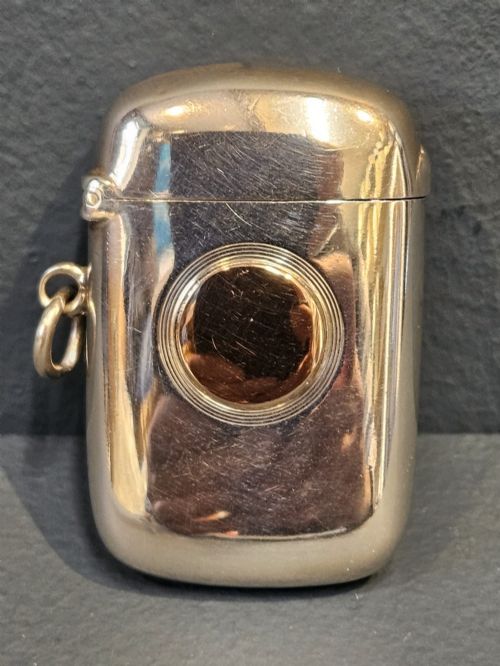
A pocket matchbox holder holds your matches and strikes them dry while you move, taking the form of antique vestas.
Pocket Matchbox Holder
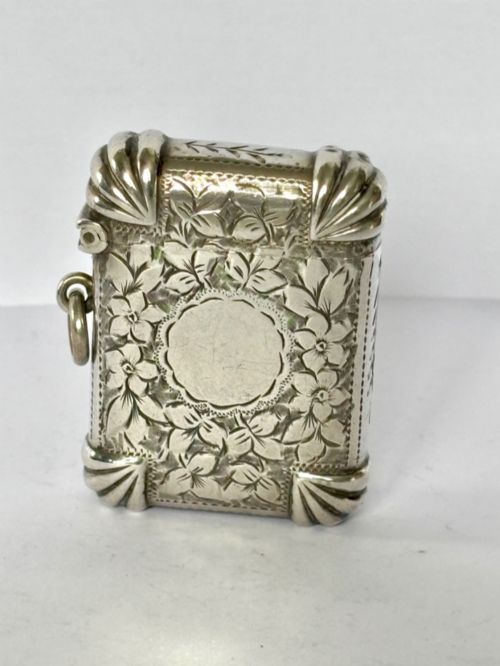
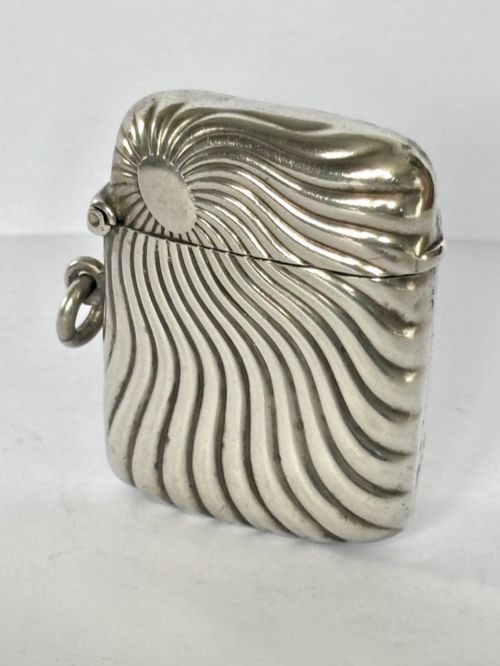
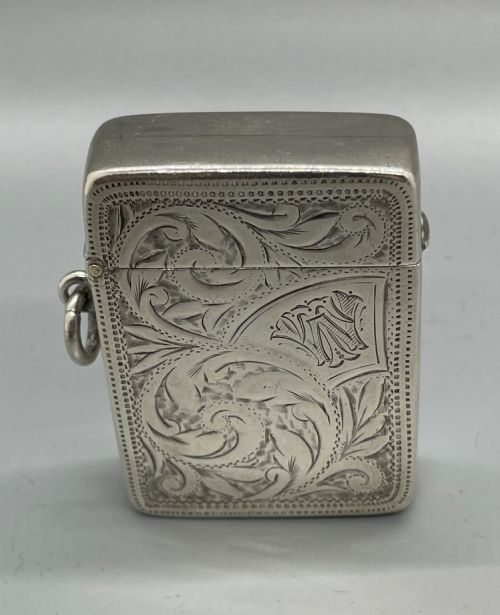
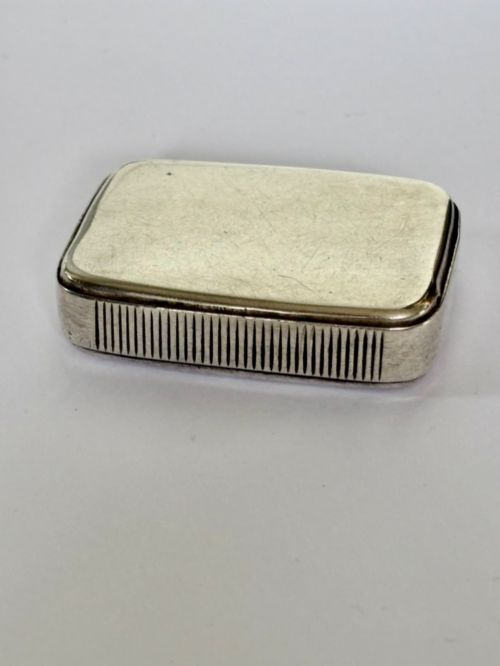
When you search for a pocket matchbox holder, you encounter nineteenth and early twentieth-century containers designed to protect and dispense vestas. These items stem mainly from the Victorian and Edwardian eras, alongside pieces from the George V and Art Deco periods.
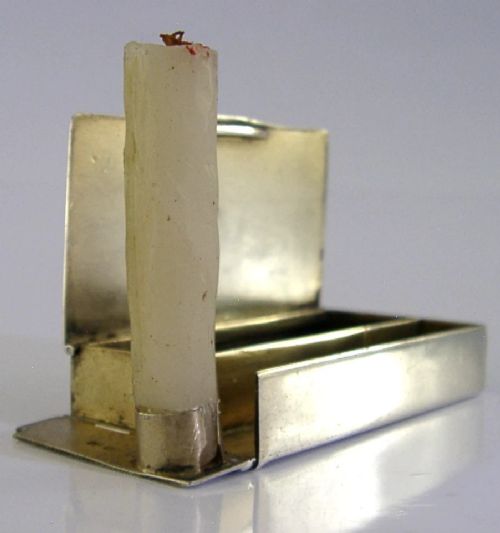
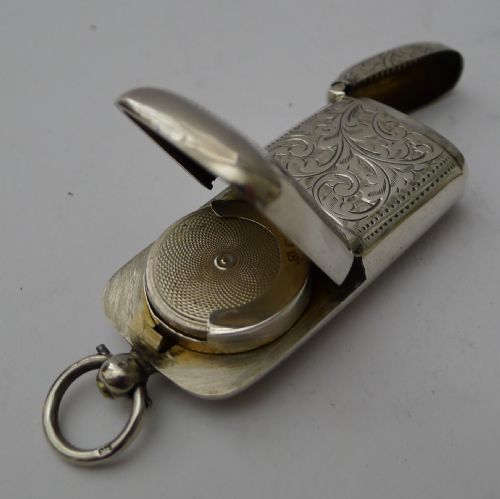
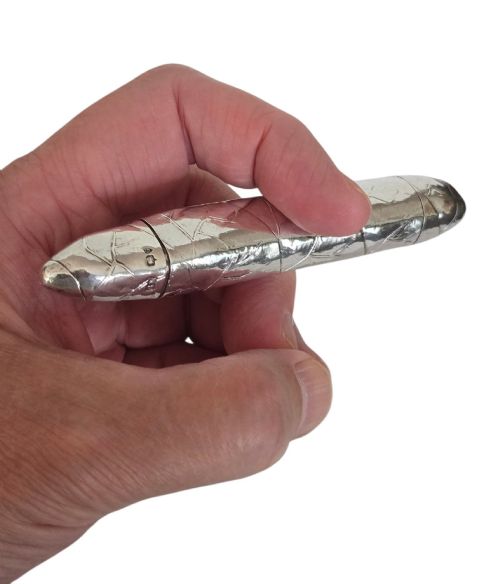
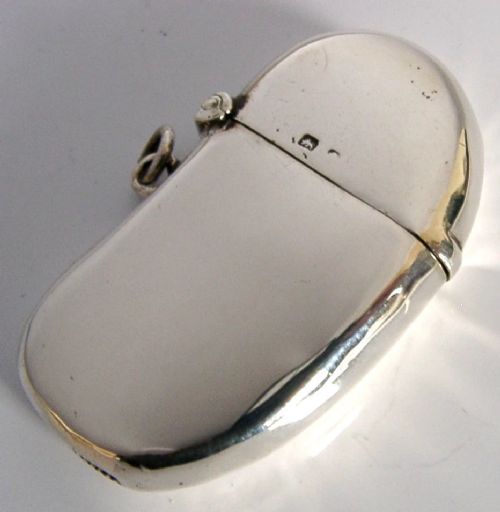
Alongside plain rectangular boxes, you find novelty forms modelled as animals, boots, double-ended cigars or kidney shapes. Some combine extra functions, holding sovereigns, wax tapers, sealing wax, snuff or miniature photographs alongside the matches.
How pocket matchbox holders were made
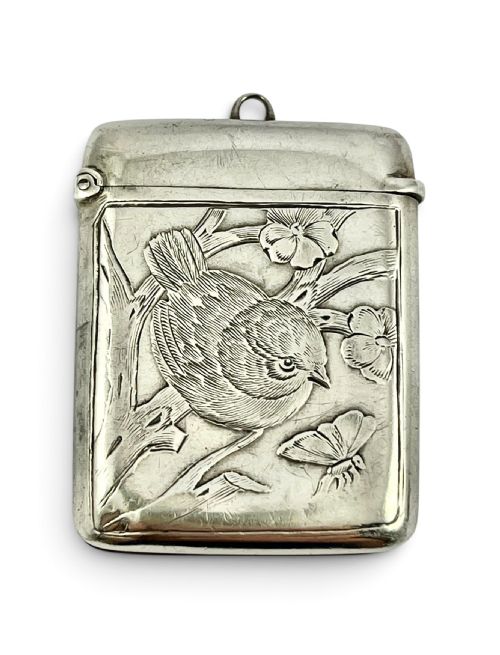
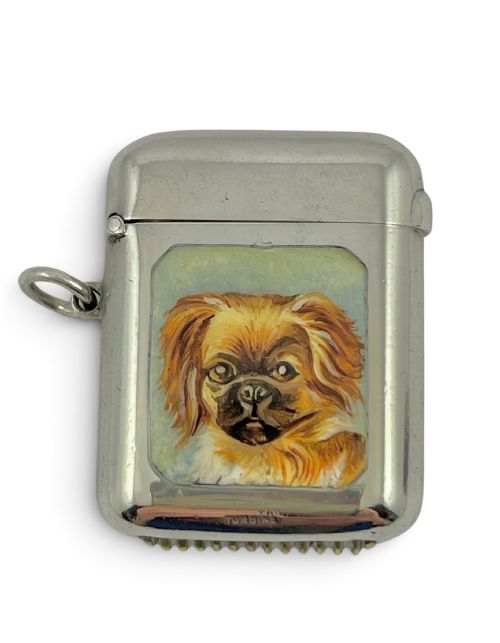
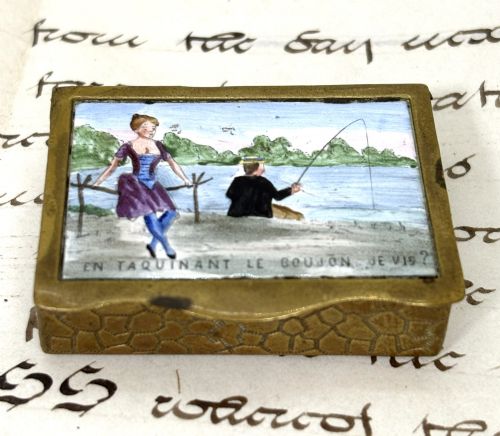
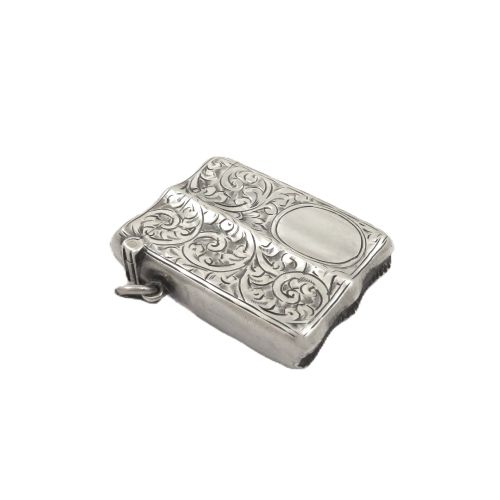
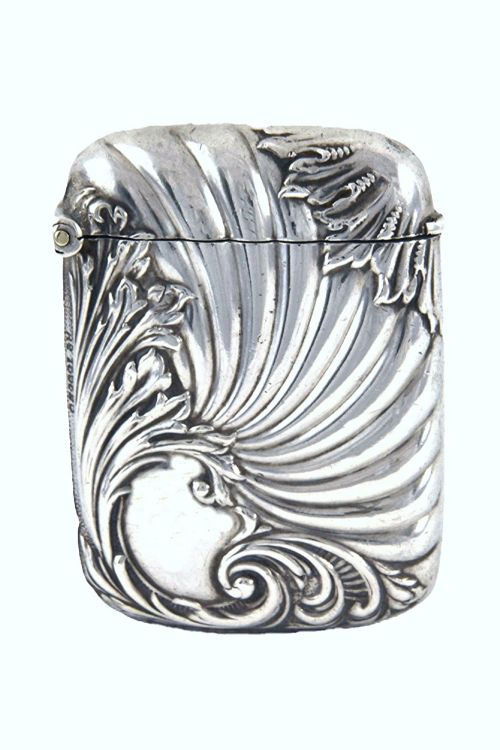
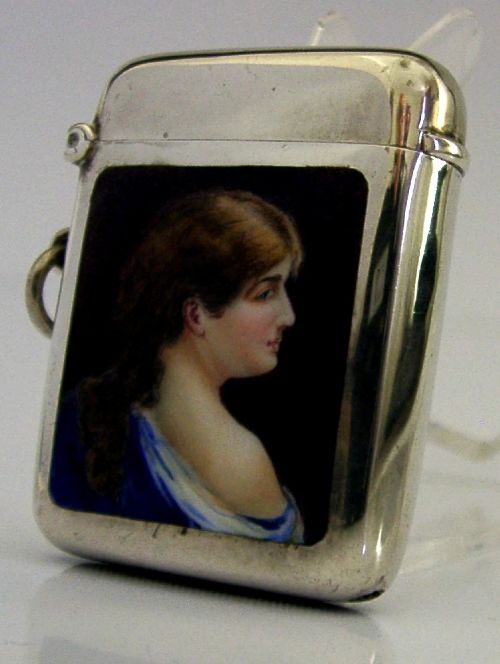
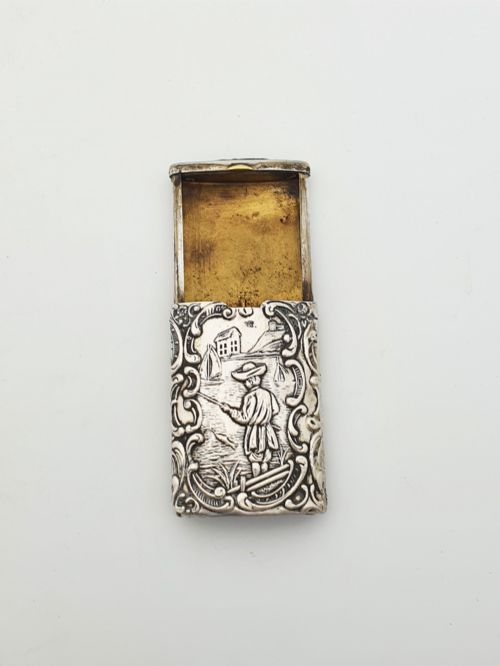
Silversmiths and brassworkers formed these cases using stamping, repoussé and engraving techniques on sterling silver, silver gilt and brass. Enamel decoration, including hand-painted roses, crests and scenic relief, was applied to metal surfaces to add colour and detail.
Makers integrated mechanical elements into trick or combination pieces, creating spring-loaded lids and double compartments for matches and sovereigns. Hallmarks stamped into the metal record the assay office, city, and date of manufacture.
What varies in quality in pocket matchbox holders
The standard of a pocket matchbox holder rests on the crispness of its chasing, engraving and repoussé work. Pieces featuring detailed hand-painted enamel, golf or jockey scenes, or complex animal forms stand apart from plain containers.
Maker marks from prominent workshops influence desirability, as do scarce mechanical functions, trick openings and combined accessories. The preservation of original gilding and undamaged enamel surfaces marks the upper tier of surviving examples.
EV Pledge and Son·Robert Chandler·Sampson Mordan and Co·A and J Zimmerman·William Neale·Robert Pringle·Alfred Clark·William Hair Haseler
The Pocket Matchbox Holder Glossary
- Vesta case
- A small pocket container designed to hold matches, known as vestas, featuring a corrugated striking surface on the base. These cases kept matches dry and safe in the pocket before safety matches became universal.
- Silver gilt
- Sterling silver that has been coated with a thin layer of gold on its interior or exterior surfaces. This technique provided a rich golden finish while maintaining a solid silver structure.
- Repoussé
- A metalworking technique where the artisan hammers the metal from the reverse side to create a raised design in relief on the front. This method produced decorative motifs such as mermaids and floral patterns.
- Wax taper
- A thin wick coated in wax, stored inside specialised combination cases to provide a sustained flame for lighting cigars or candles. These were carried alongside matches in dual-purpose holders.
- Assay mark
- An official stamp applied to precious metals indicating the standard of purity, the assay office city, and the year of testing. These marks help date and authenticate antique silver items.
Pocket Matchbox Holder: Frequently Asked Questions
What is a vesta case?
A vesta case is a small portable container used in the nineteenth and early twentieth centuries to carry friction matches safely in a pocket. They feature a textured striking strip underneath for igniting the match.
Most examples are made of sterling silver or brass with a hinged lid to keep the matches dry.
How do you use a novelty vesta?
Novelty vestas function just like standard match containers, with a spring-loaded or hinged lid that opens to reveal the match compartment. You press a button or lift the cover to access the vestas.
Many trick or novelty pieces conceal their opening mechanisms within figural designs shaped like animals or everyday objects.
What are combination vesta cases?
Combination vesta cases house matches alongside another everyday item within the same pocket-sized housing. Common combinations include sovereign holders, cigar cutters, stamp compartments or miniature writing wax.
These dual-purpose pieces allowed Victorians to carry multiple personal accessories in a single compact object.
How do I date an antique silver vesta?
You date an antique silver vesta by examining the hallmarks stamped into the metal body or inside the lid. These small marks indicate the assay office, the silver standard, and a specific date letter.
Makers' marks also appear alongside the hallmarks, identifying the workshop that produced the piece.