


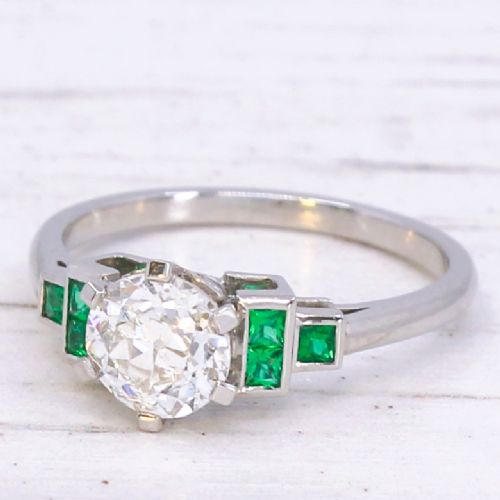
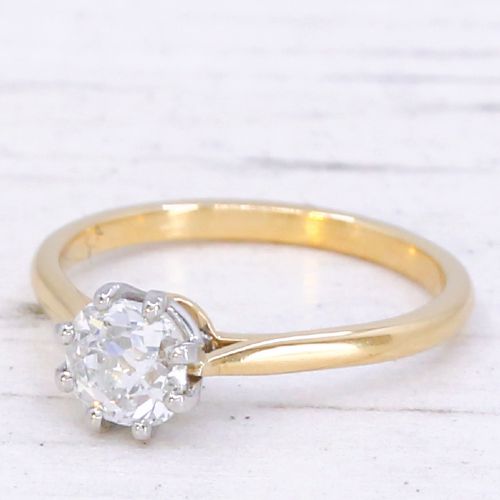
Platinum Old European Cut Ring
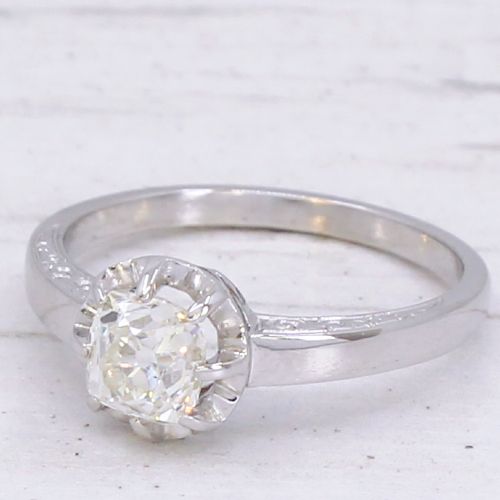
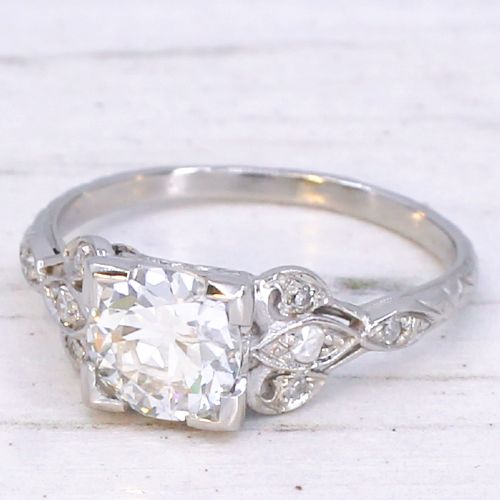
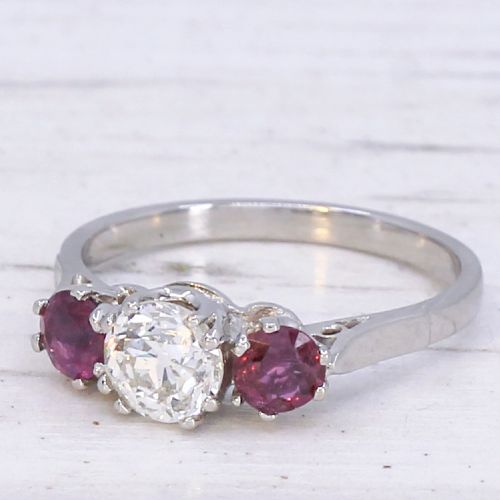
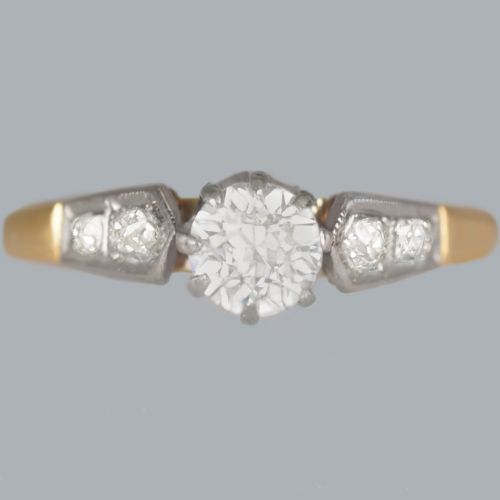
A platinum old european cut ring brings together the distinctive hand-faceted sparkle of early twentieth-century stones and the bright, durable metal that houses them.
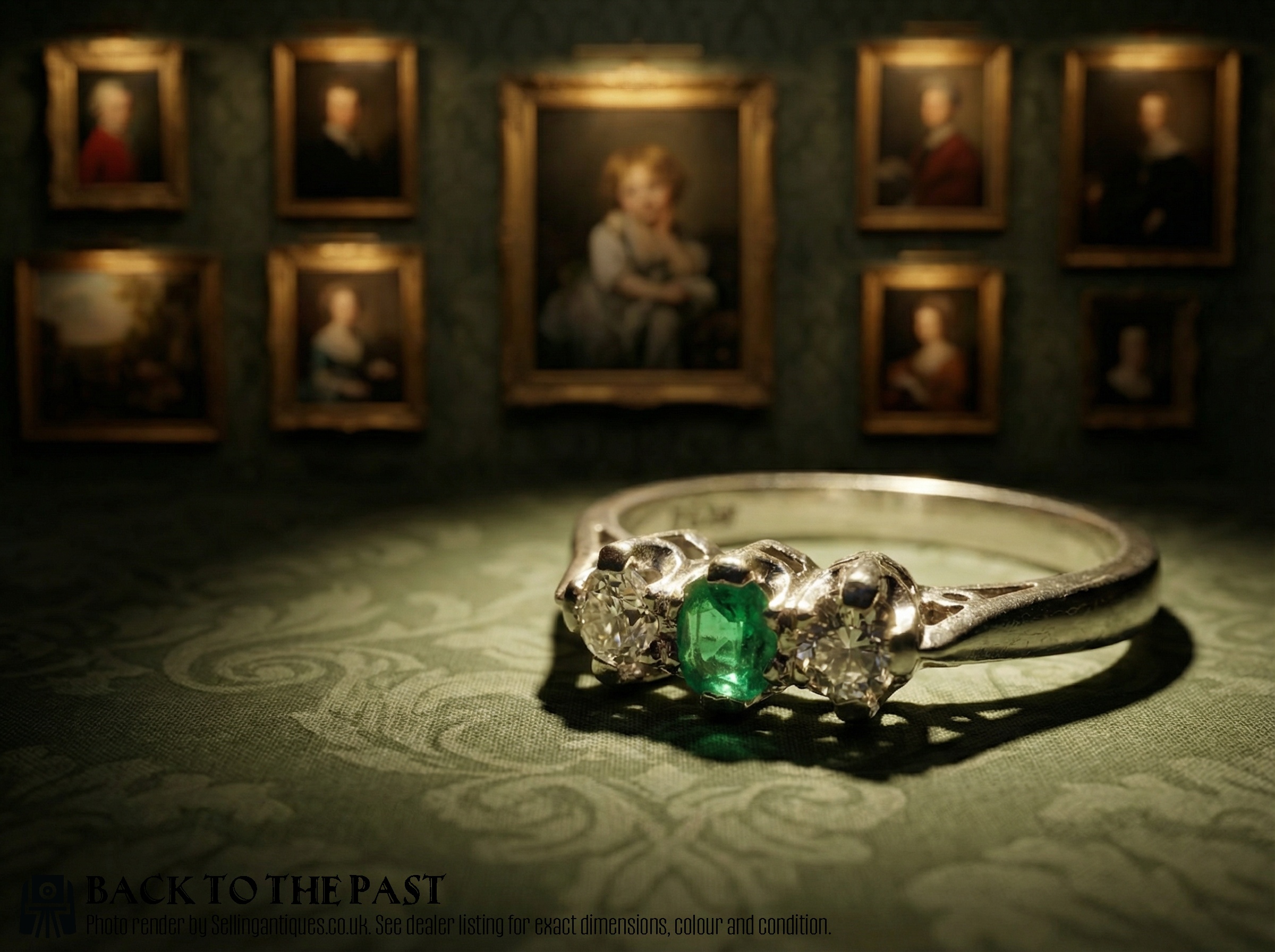
Platinum Old European Cut Ring
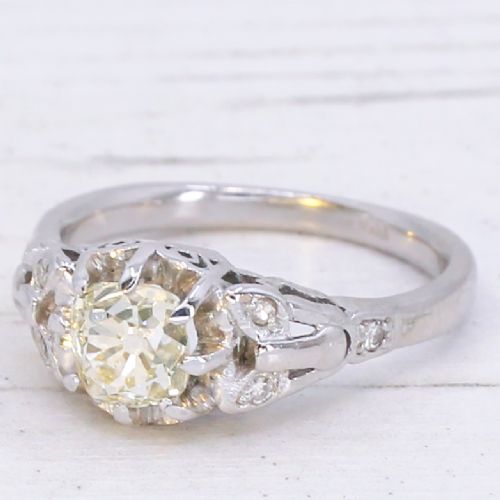
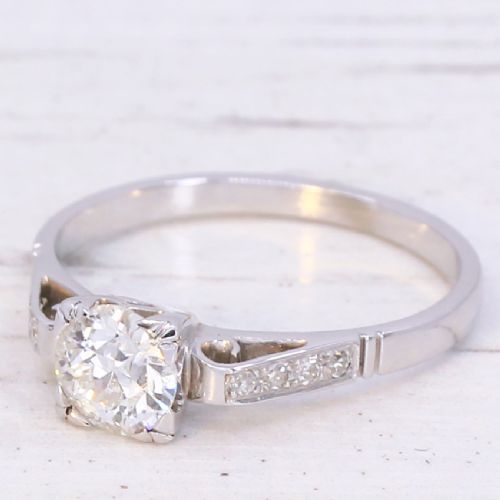
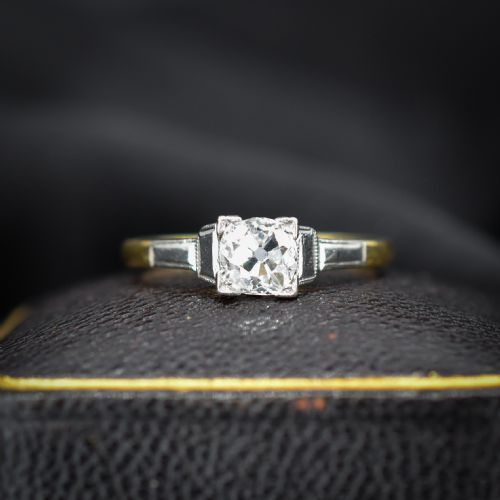
When you search for a platinum old european cut ring, you encounter jewellery spanning from the Edwardian era through the Art Deco period and into mid-century designs. These pieces function primarily as engagement rings, though multi-stone configurations and clusters also appear frequently across the inventory.
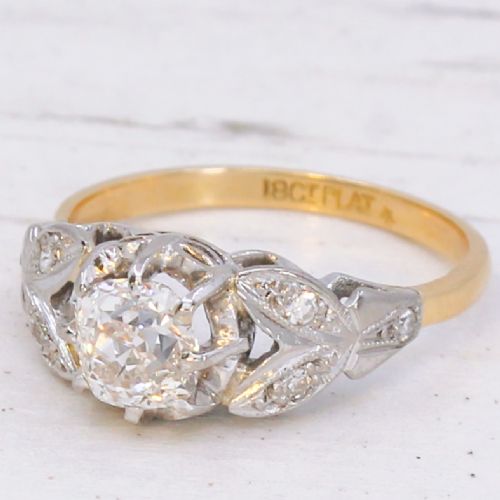
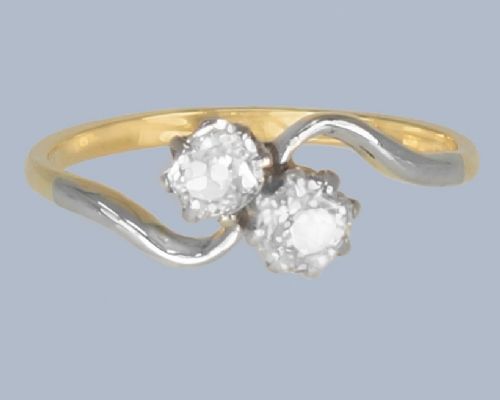
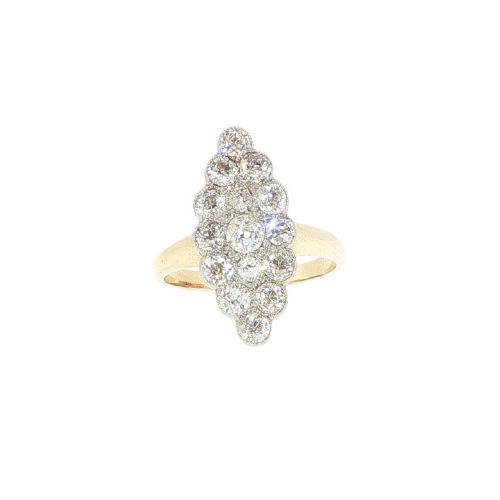
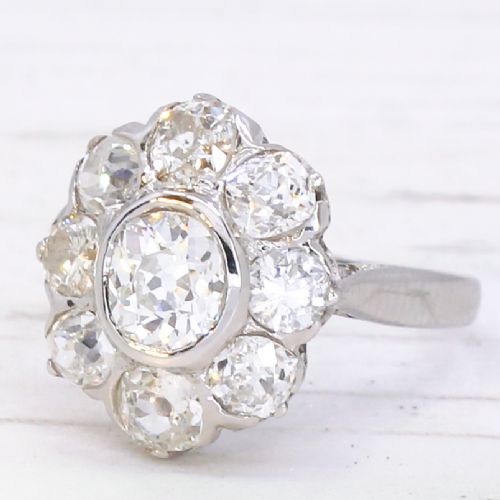
The prevailing forms on this page include simple solitaires, two-stone toi et moi settings, and navette or circular clusters. Stones are frequently framed by platinum settings paired with yellow or white gold shanks, reflecting the shifting metal preferences of the early to mid-twentieth century.
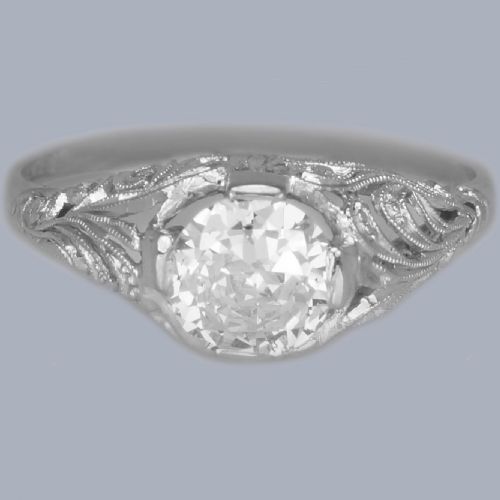
Makers and jewellers of the 1900s to 1950s favoured these brilliant-cut diamonds for their deep pavilions and small tables. Surviving examples demonstrate how hand-cut stones adapt to styles ranging from delicate Edwardian filigree to geometric Art Deco frameworks.
Distinctions in Quality
The fineness of the metalwork distinguishes exceptional examples, particularly where hand-carved pierced galleries and crisp millegrain beadwork remain intact without wear. The precision of the diamond's hand-faceting also dictates visual appeal, as older cuts capture candle or gaslight differently than modern brilliants.
Proportion and symmetry within multi-stone arrangements, such as cluster or three-stone rings, determine the overall harmony of the piece. Well-matched stone sizes and colours in toi et moi or cluster configurations reflect higher initial craftsmanship.
Listings feature pieces spanning from 1900 through the 1960s, incorporating platinum, yellow gold, white gold, diamonds, rubies, emeralds, and sapphires.
The Platinum Old European Cut Ring Glossary
- Old European Cut
- A round diamond cut popular from the late nineteenth century through the mid-twentieth century, characterised by a small table, steep crown, and open culet.
- Millegrain
- A decorative technique featuring a row of tiny raised metal beads along the edges of a setting, common in Edwardian and Art Deco jewellery.
- Toi et Moi
- French for you and me, describing a ring featuring two main gemstones placed side by side to represent two entwined lovers.
- Navette
- A boat-shaped gemstone setting that tapers to points at both ends, frequently seen in cluster rings from the Edwardian period.
- Culet
- The small flat facet at the bottom tip of an old-cut diamond, visible through the stone as a tiny open circle.
Platinum Old European Cut Ring: Frequently Asked Questions
What is an old european cut diamond?
An old european cut is a vintage round diamond shape hand-faceted before modern optical standards were established in the mid-twentieth century.
These stones typically feature a smaller table, higher crown, and distinct open culet that creates a deeper pattern of light reflection.
How do I care for platinum and gold rings?
Platinum and gold settings require gentle cleaning with warm soapy water and a soft brush to remove everyday oils from the diamond facets.
Periodic inspection by a jeweller ensures that the delicate claws and millegrain edges holding older stones remain secure.
Can I wear these rings every day?
Platinum provides a robust and durable metal framework suitable for daily wear when paired with hard gemstones like diamonds.
Care should be taken with antique settings to avoid heavy impact that might damage original hand-carved details or prongs.
How do I identify an edwardian ring?
Edwardian rings are typically distinguished by lacy platinum-on-gold work, intricate filigree, and floral or garland motifs.
These pieces often utilise millegrain borders and soft cluster arrangements surrounding central old-cut diamonds.